Join Our Community










Get the earliest access to hand-picked content weekly for free.
Spam-free guaranteed! Only insights.
Join Our Community
Get the earliest access to hand-picked content weekly for free.
Spam-free guaranteed! Only insights.
🎯 Quick Impact Summary
*
*
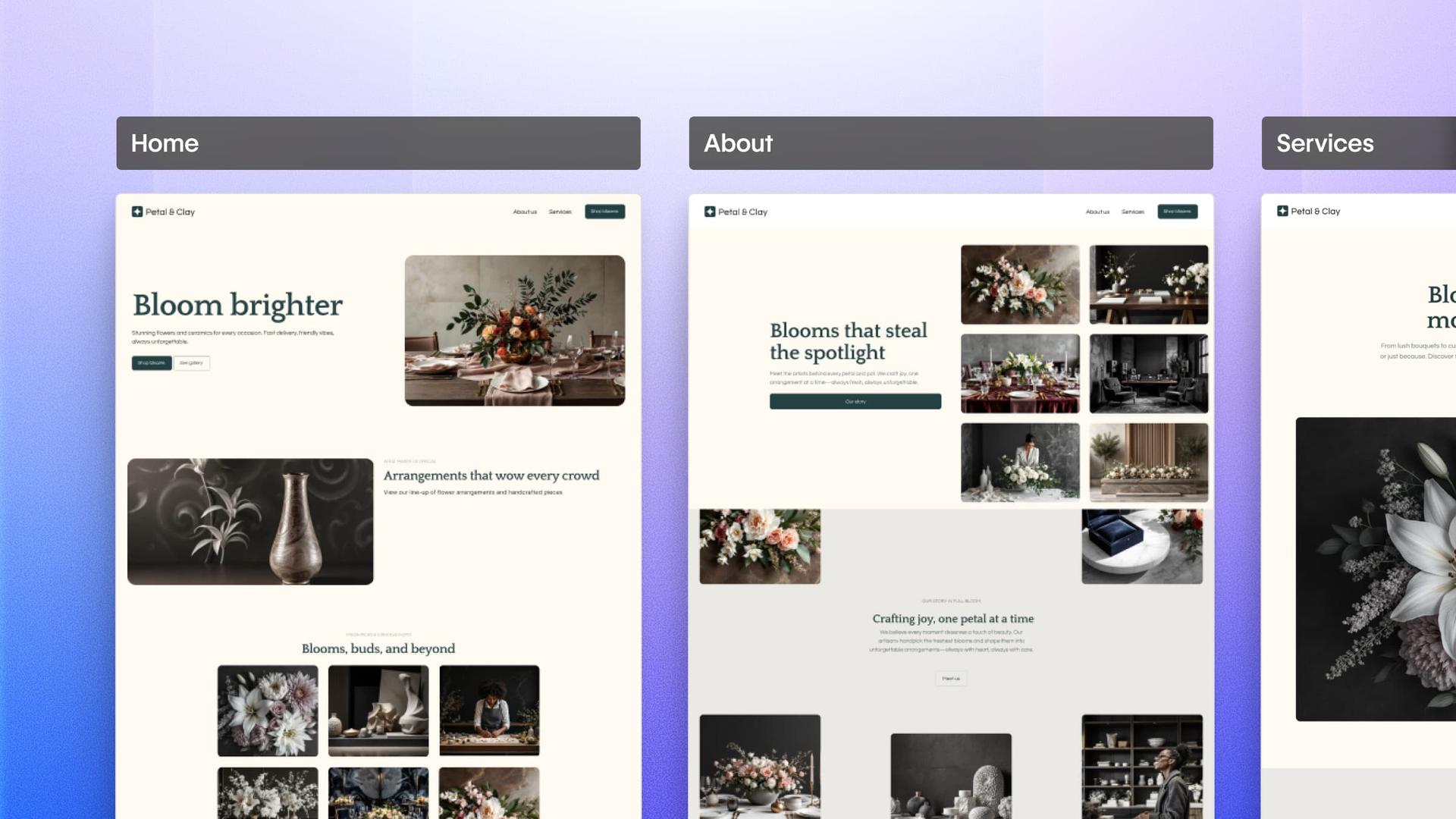
Webflow's AI site builder is an intelligent design tool that generates complete, responsive websites from simple text prompts, solving the challenge of rapid web development for non-coders. Designed for entrepreneurs, marketers, and small business owners who need professional sites without traditional development timelines, it streamlines the entire creation process from concept to launch. The platform promises to deliver production-ready sites in minutes rather than weeks, combining AI generation with Webflow's powerful visual design capabilities. This tool aims to democratize web design while maintaining the flexibility and performance standards Webflow is known for.
The AI site builder leverages natural language processing to interpret design requirements and generate complete page layouts, including hero sections, navigation, content areas, and footers. It automatically creates responsive designs that work across all device breakpoints, applying Webflow's best practices for spacing, typography, and visual hierarchy. The generated sites include proper semantic HTML structure, optimized CSS, and accessible components that meet WCAG standards.
Users can generate entire multi-page websites or specific sections, with the AI understanding context like industry, brand personality, and target audience. The tool creates custom color palettes based on brand information and generates placeholder content that's actually meaningful rather than generic lorem ipsum. It also produces image suggestions and can integrate with Webflow's asset library.
Once generated, everything becomes immediately editable within Webflow's visual canvas. This means you can fine-tune animations, adjust layouts, modify interactions, and add custom code without starting from scratch. The AI output serves as a sophisticated starting point rather than a locked template, preserving Webflow's core value of creative control.
The system uses advanced machine learning models trained on thousands of high-performing website designs across various industries. When you provide a prompt describing your business, desired aesthetic, and functionality needs, the AI analyzes this input and maps it to proven design patterns and component selections. It employs natural language understanding to extract key elements like brand attributes, target demographics, and conversion goals.
Behind the scenes, Webflow's AI generates clean, production-ready code that follows modern web standards. The technology stack includes semantic HTML5, optimized CSS with proper media queries, and JavaScript for interactions. The AI also considers performance implications, creating lightweight assets and optimized layouts that score well on Core Web Vitals.
The generation process happens in real-time, with the AI presenting multiple design iterations. Users can refine their results through conversational feedback, asking the AI to adjust specific elements like "make the navigation more prominent" or "use a warmer color palette." This iterative approach combines the speed of automation with human creative direction.
Startup Launch MVP: A tech founder needs a landing page within 48 hours to validate a product idea. They describe their SaaS tool, target audience, and value proposition, and the AI generates a conversion-optimized page with pricing tiers, feature highlights, and a waitlist form. The founder can immediately start collecting emails while refining the design.
Small Business Upgrade: A local restaurant owner wants to move beyond their outdated Wix site. They prompt the AI with their cuisine type, atmosphere, and brand personality. The system creates a visually appealing site with menu sections, reservation functionality, and location information. The owner then uses Webflow's visual editor to add their actual menu items and photos.
Marketing Agency Efficiency: A boutique agency uses the tool to create initial client prototypes in under an hour instead of days. They generate multiple design directions for client presentations, then customize the chosen direction with their brand systems. This reduces project timelines by 60% while maintaining design quality.
Portfolio Transformation: A freelance photographer needs to showcase their work quickly. The AI generates a portfolio layout with gallery grids, project pages, and contact forms. The photographer simply replaces placeholder images with their actual work and adjusts copy to match their voice.
Webflow's AI site builder is included in standard Webflow site plans. Users need at least a Basic Site plan ($14/month annually) to publish AI-generated sites, though you can experiment with the AI generator on free accounts. The AI features are available across all paid tiers, including CMS ($23/month), Business ($39/month), and Enterprise plans.
There are no additional charges specifically for AI generation beyond the regular Webflow subscription. This makes it significantly more cost-effective than hiring a developer or designer for initial site creation. The value proposition strengthens when considering that you're getting both AI generation speed and Webflow's powerful hosting infrastructure.
Compared to alternatives like Wix ADI (which can feel restrictive) or Framer AI (which focuses more on visual experimentation), Webflow's approach provides better long-term value because you retain full design control and access to Webflow's broader ecosystem of integrations and advanced features.
Pros:
Cons:
Who Should Use It: Perfect for startup founders, small business owners, marketers, and freelancers who need professional websites quickly without coding. Also valuable for agencies looking to accelerate their prototyping phase. Less suitable for enterprises requiring completely custom backend functionality or those needing extensive server-side development.
FAQ
Related Topics
AI Spotlights
Unleashing Today's trailblazer, this week's game-changers, and this month's legends in AI. Dive in and discover tools that matter.
OpenAI Codex Chrome Extension Review

Perplexity Personal Computer: AI Agents for Mac
OpenAI Voice Intelligence API: New Features Review

ChatGPT Trusted Contact: New Self-Harm Safeguard
CopilotKit Intelligence: Enterprise AI Memory Platform
OpenAI Training Spec: GPU Performance Breakthrough
AWS Managed Agents Review: OpenAI Partnership

Glean AI Search Review: Enterprise Search Redefined

ChatGPT Security Update: Advanced Protection Features
Mistral's Cloud Code Platform Review
Meta Autodata: AI Framework for Autonomous Data Scientists
Gemini API Webhooks: Real-Time AI Automation
Zyphra TSP: 2.6x Faster AI Training Review

SoundHound OASYS: Self-Learning AI Agent Platform

Google Home Gemini 3.1: Smarter AI Assistant
Grok Voice Think Fast 1.0 Review: AI Voice
Vision Banana Review: Google's Instruction-Tuned Image Generator
GitNexus Review: Open-Source Code Knowledge Graph
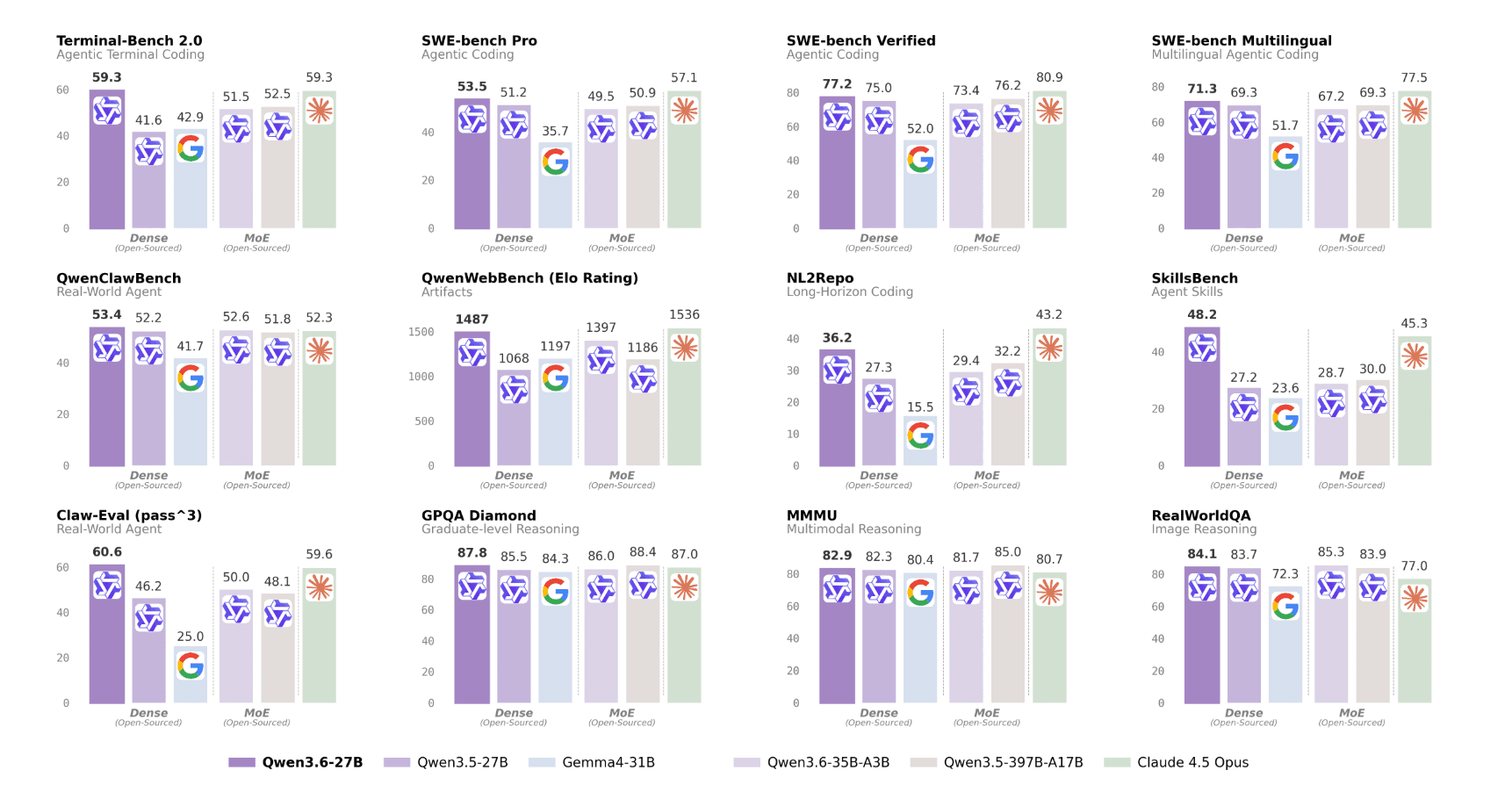
Qwen3.6-27B Review: Dense Model Outperforms 397B MoE

ChatGPT Workspace Agents: Custom AI Bots for Teams
You Might Like These Latest News
All AI NewsStay informed with the latest AI news, breakthroughs, trends, and updates shaping the future of artificial intelligence.
AI Data Centers Face Growing Crisis
May 10, 2026
SpaceX Plans $55B AI Chip Plant in Texas
May 8, 2026
Voi Founders Launch AI Startup Pit With $16M Seed
May 8, 2026
US Energy Secretary and NVIDIA Discuss AI-Powered Energy Future
May 8, 2026
Anthropic Finance Agents Disrupt Wall Street Jobs
May 7, 2026
Snap Ends $400M Perplexity AI Search Deal
May 7, 2026
Microsoft Copilot Hits 20M Paid Users
May 6, 2026
Runway Eyes World Models Beyond AI Video
May 6, 2026
Microsoft to Exploit New OpenAI Deal
May 6, 2026

Discover the top AI tools handpicked daily by our editors to help you stay ahead with the latest and most innovative solutions.