Join Our Community










Get the earliest access to hand-picked content weekly for free.
Spam-free guaranteed! Only insights.
Join Our Community
Get the earliest access to hand-picked content weekly for free.
Spam-free guaranteed! Only insights.
🎯 Quick Impact Summary
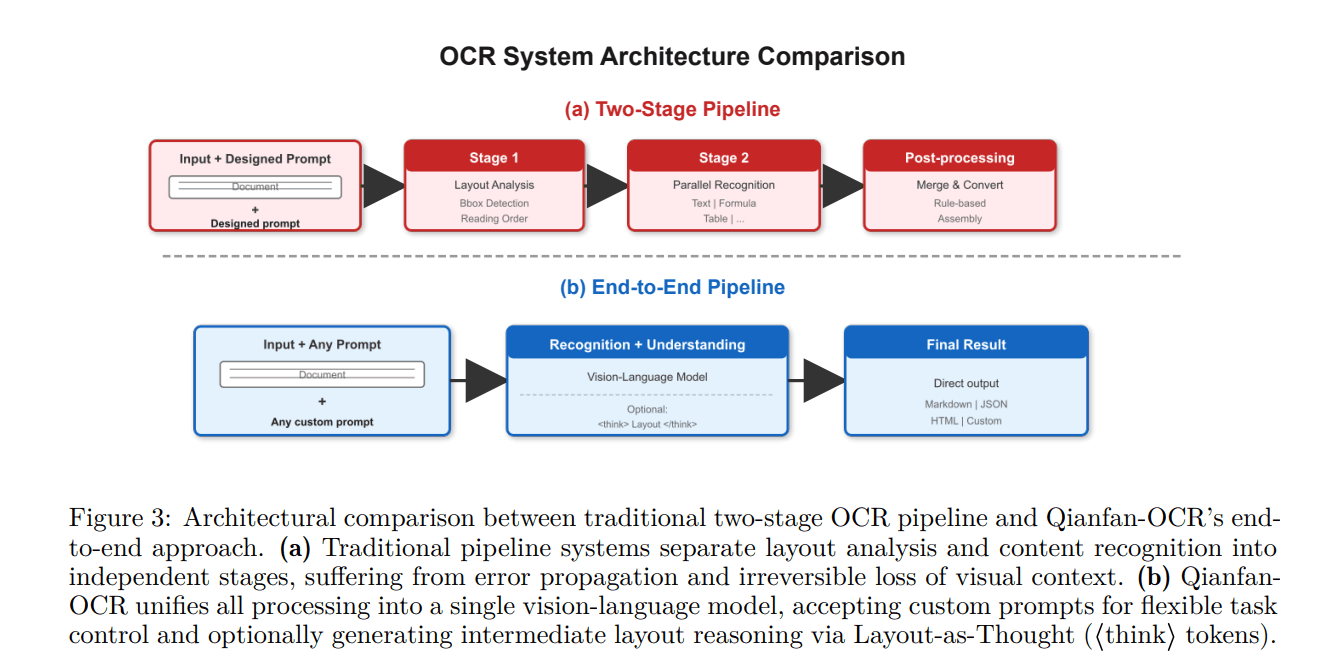
Baidu's Qianfan-OCR represents a fundamental shift in how document intelligence works, consolidating what traditionally required multiple separate models into one unified 4B-parameter vision-language system. This end-to-end architecture performs direct image-to-Markdown conversion while supporting advanced tasks like table extraction and document question answering, eliminating the inefficiencies of chained OCR pipelines. For teams handling document processing at scale, this unified approach means faster workflows, reduced complexity, and more accurate document understanding.
Qianfan-OCR introduces a fundamentally different approach to document intelligence by consolidating multiple processing stages into a single model. Rather than relying on separate modules for layout detection, text recognition, and document parsing, this unified architecture handles everything end-to-end.
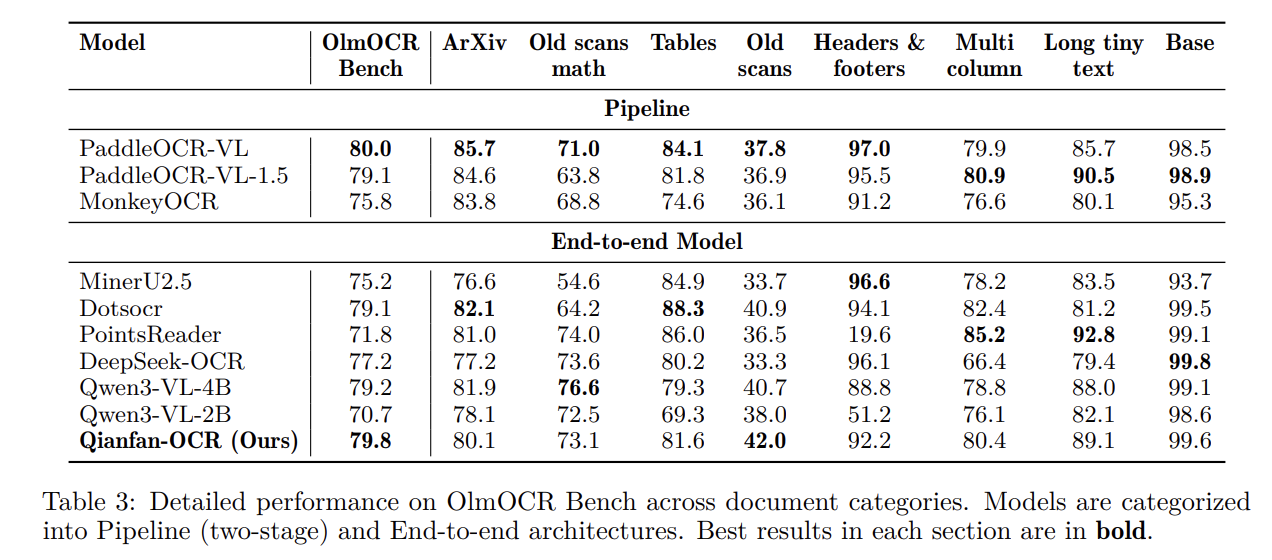
Qianfan-OCR is engineered as a compact yet capable document intelligence system designed for production deployment across various document processing scenarios.
What Each Feature Actually Means:
Unified Architecture: Instead of running three separate models (one for layout detection, one for text recognition, one for understanding), you run one model once. A financial services team processing loan documents no longer waits for sequential model outputs. They get layout-aware text extraction in a single pass, cutting processing time from minutes to seconds per document.
Image-to-Markdown Conversion: Your document images automatically become structured, formatted text that preserves the original document's organization. A legal team scanning contracts gets properly formatted Markdown with preserved headings, sections, and emphasis, ready to import directly into their document management system without manual reformatting.
Prompt-Driven Tasks: You ask the model questions about documents using natural language instead of building separate extraction pipelines. A researcher processing academic papers can ask "extract all methodology sections" or "list all cited authors" and get accurate results without training custom extraction models.
Efficient Parameter Design: The 4B-parameter size means you can run this model on standard hardware without expensive GPU clusters. A startup processing customer invoices can deploy Qianfan-OCR on modest infrastructure while maintaining accuracy comparable to larger systems.
Before
Traditional OCR workflows required chaining multiple specialized models: layout detection to identify document structure, text recognition to extract content, and separate understanding modules for tasks like table extraction. This multi-stage approach introduced cumulative errors at each handoff, required managing multiple model dependencies, and created processing bottlenecks as each stage waited for the previous one to complete.
After
Qianfan-OCR processes documents end-to-end in a single pass, automatically generating structured Markdown output while simultaneously understanding layout, content, and semantic meaning. The unified approach eliminates handoff errors, reduces infrastructure complexity, and enables flexible prompt-driven tasks without deploying additional specialized models.
📈 Expected Impact: Organizations can reduce document processing time by 60-70% while improving accuracy and simplifying their document intelligence infrastructure. *
For Beginners:
For Power Users:
FAQ
AI Spotlights
Unleashing Today's trailblazer, this week's game-changers, and this month's legends in AI. Dive in and discover tools that matter.
OpenAI Codex Chrome Extension Review

Perplexity Personal Computer: AI Agents for Mac
OpenAI Voice Intelligence API: New Features Review

ChatGPT Trusted Contact: New Self-Harm Safeguard
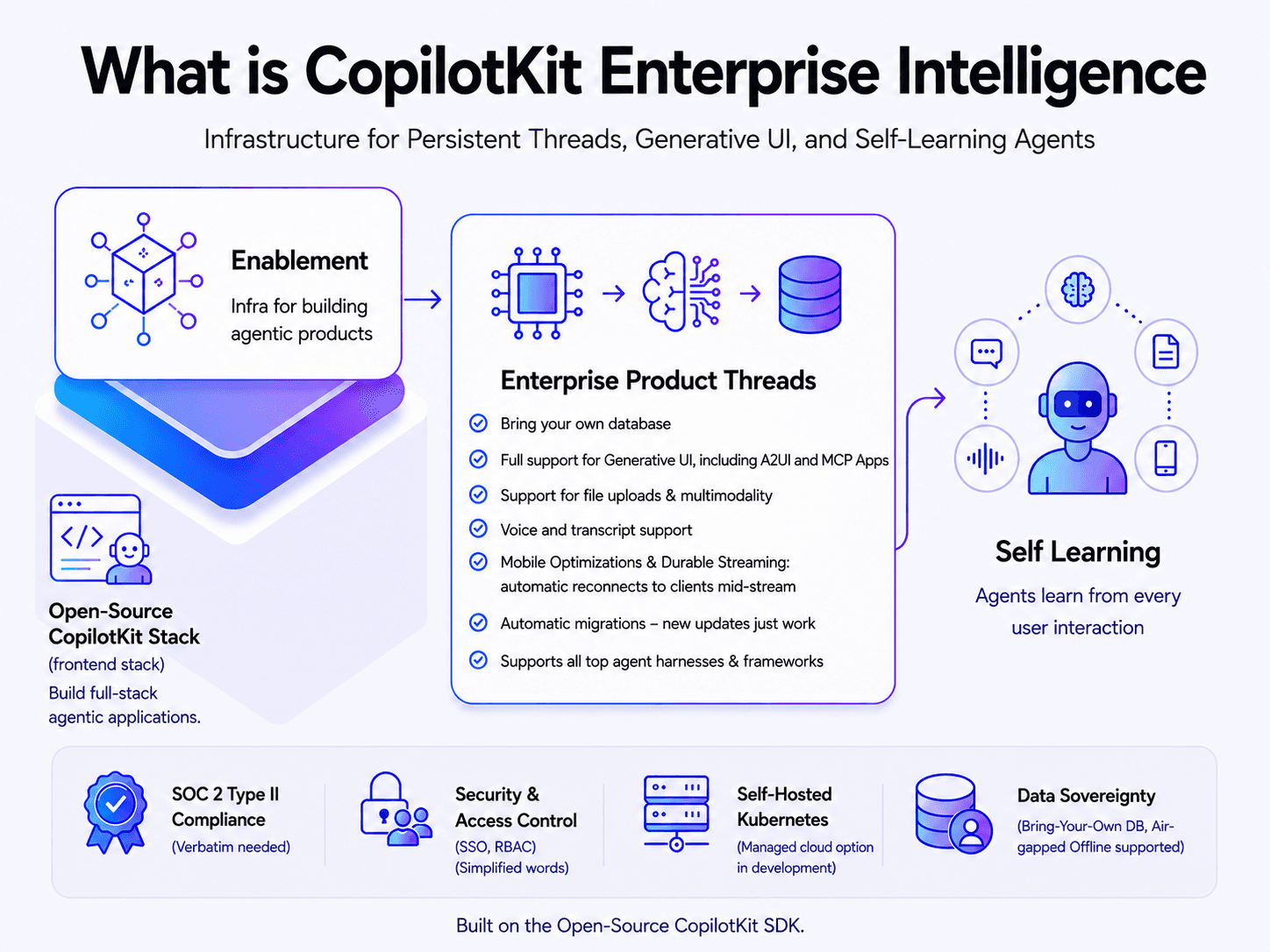
CopilotKit Intelligence: Enterprise AI Memory Platform
OpenAI Training Spec: GPU Performance Breakthrough
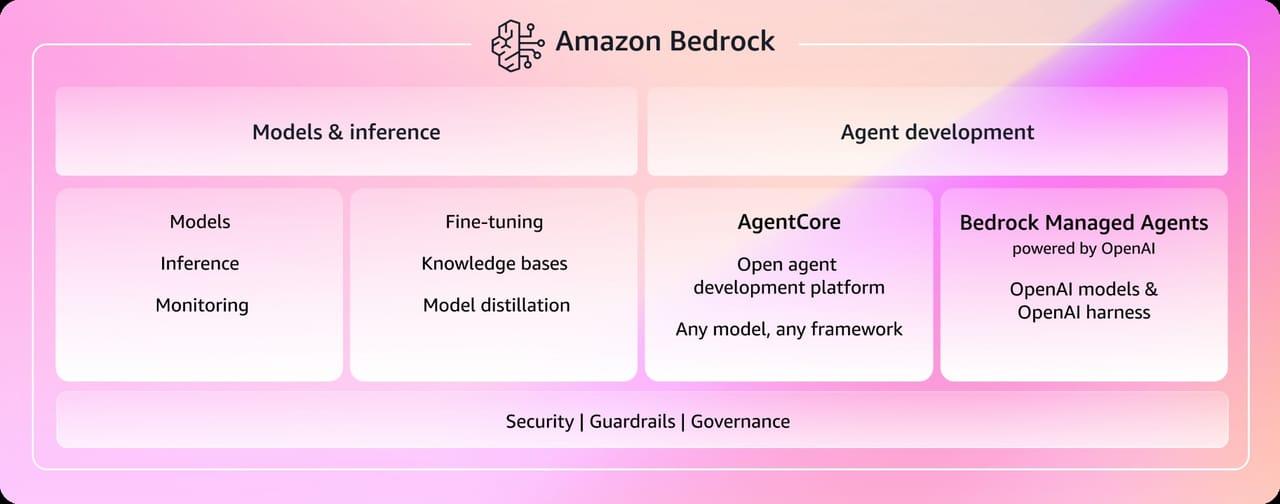
AWS Managed Agents Review: OpenAI Partnership

Glean AI Search Review: Enterprise Search Redefined
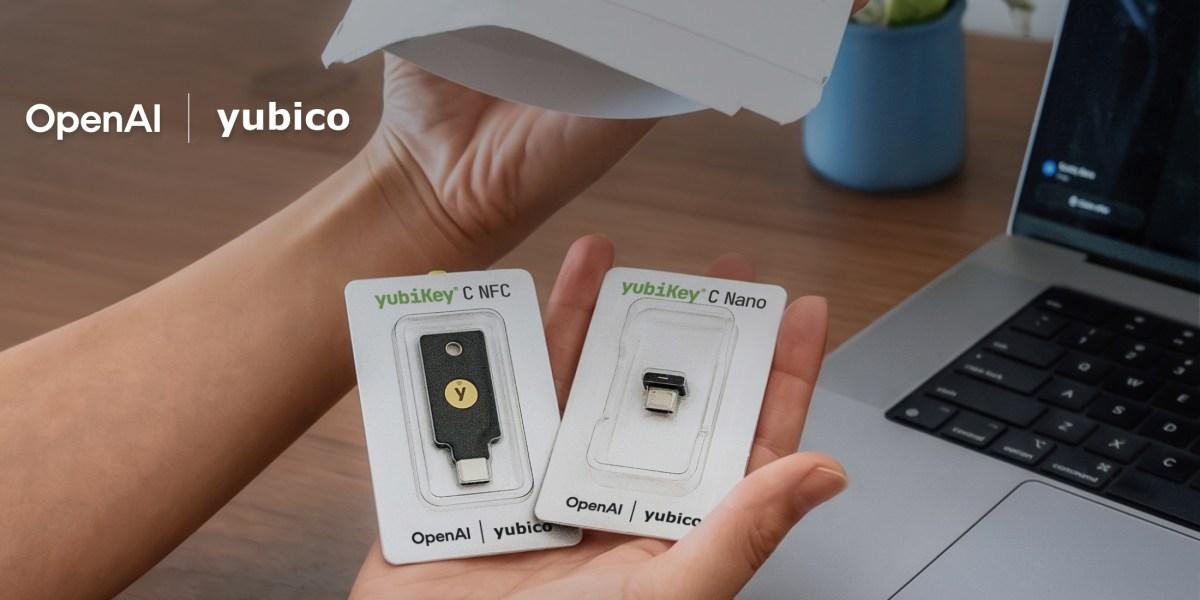
ChatGPT Security Update: Advanced Protection Features
Mistral's Cloud Code Platform Review
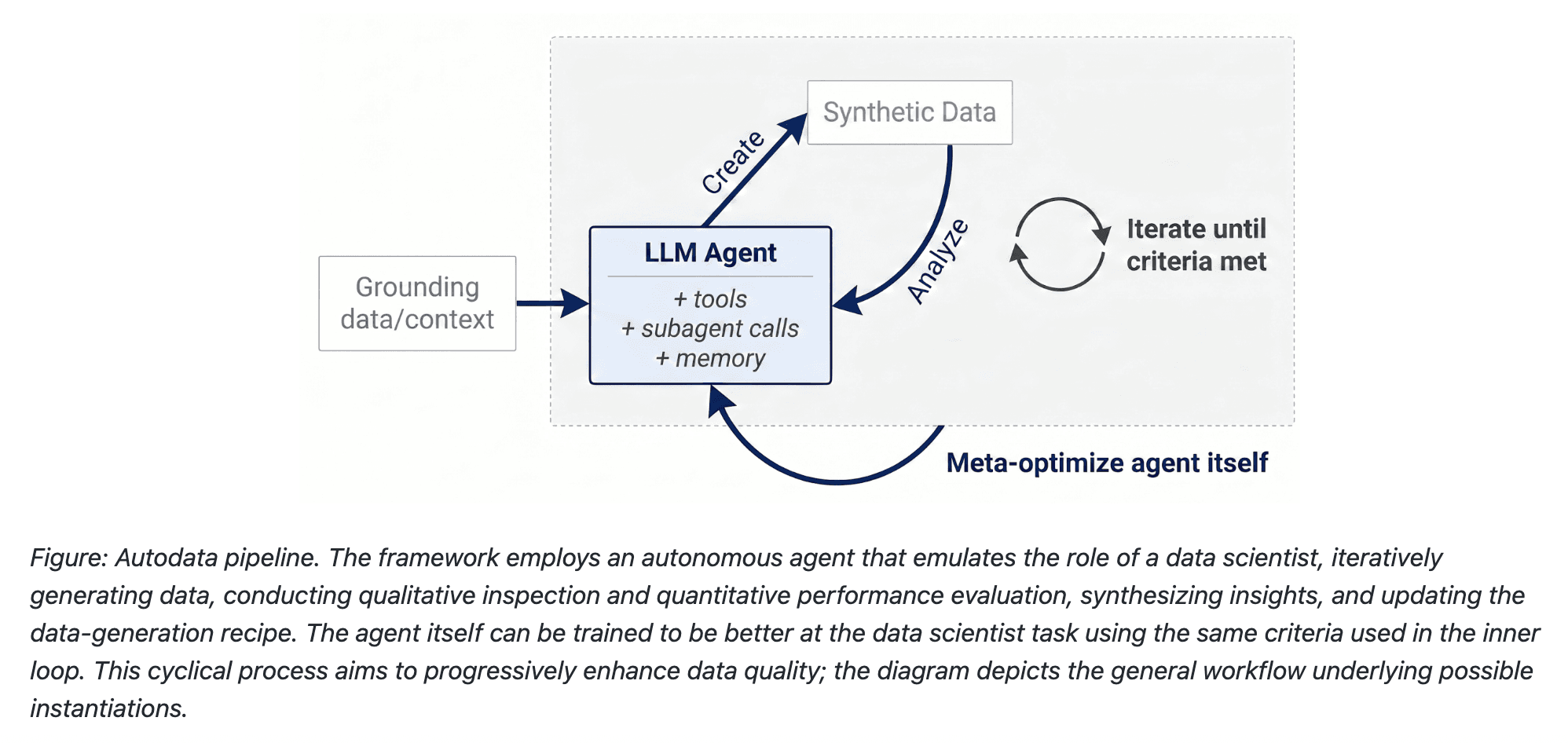
Meta Autodata: AI Framework for Autonomous Data Scientists
Gemini API Webhooks: Real-Time AI Automation
Zyphra TSP: 2.6x Faster AI Training Review

SoundHound OASYS: Self-Learning AI Agent Platform

Google Home Gemini 3.1: Smarter AI Assistant
Grok Voice Think Fast 1.0 Review: AI Voice
Vision Banana Review: Google's Instruction-Tuned Image Generator
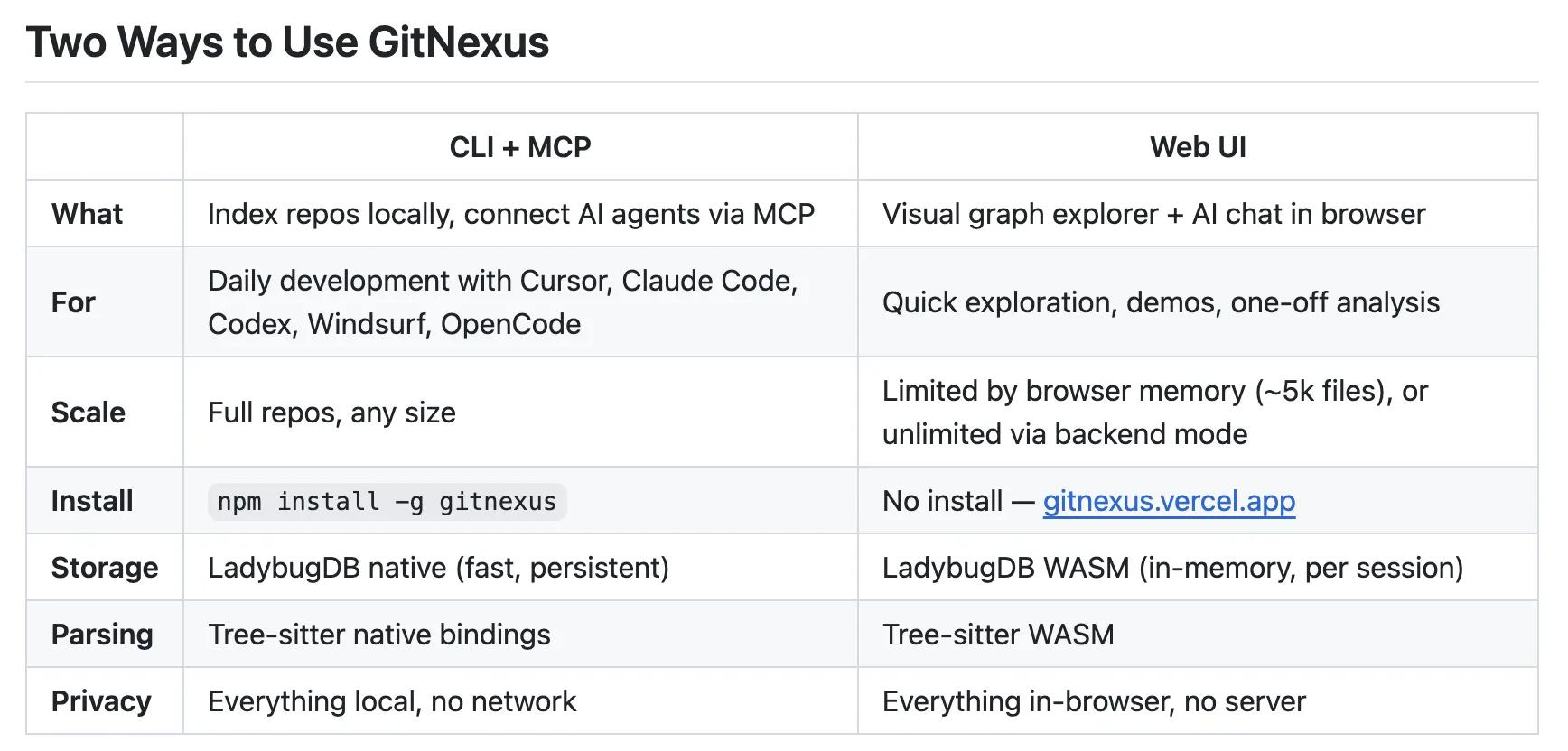
GitNexus Review: Open-Source Code Knowledge Graph
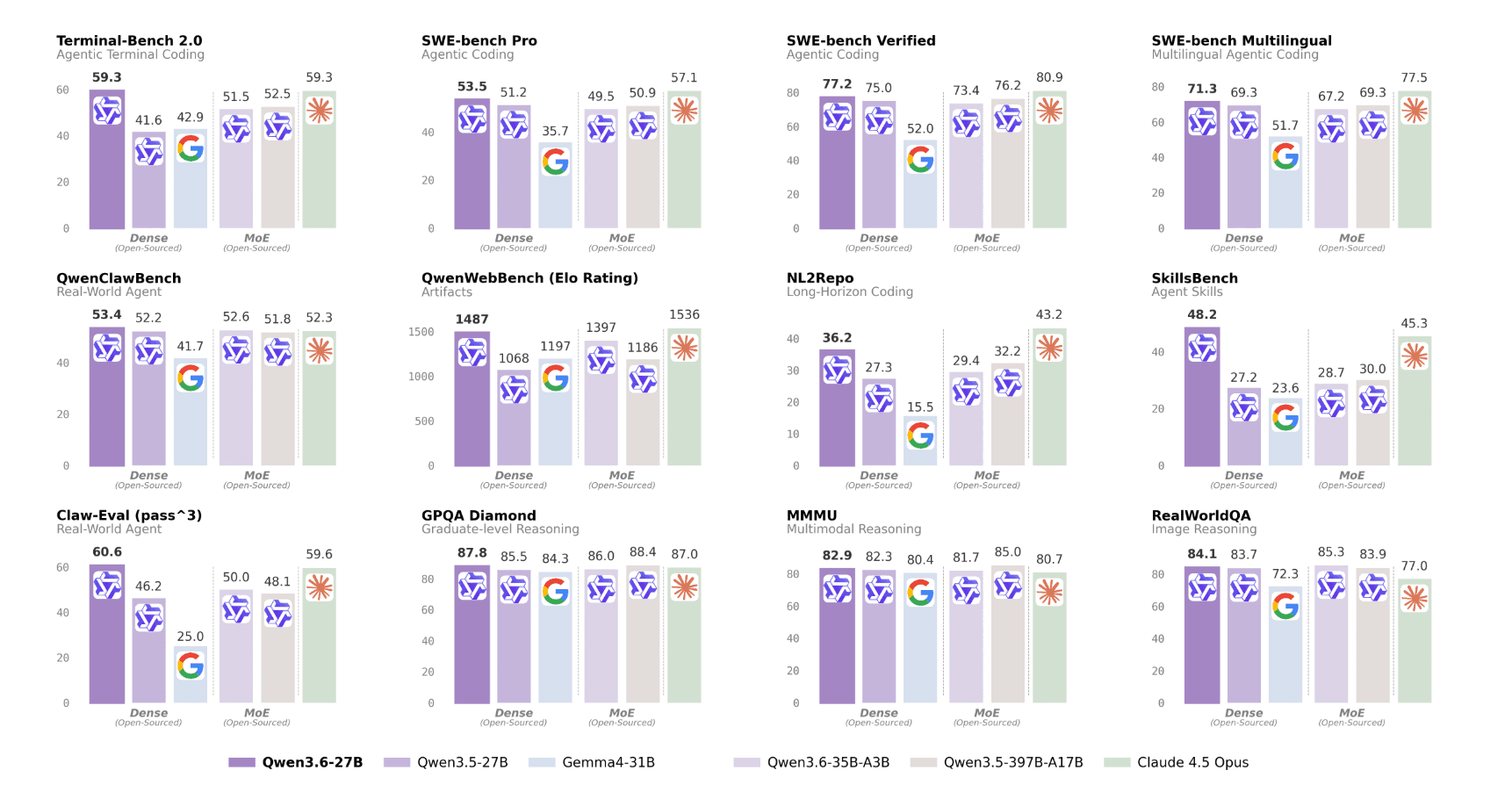
Qwen3.6-27B Review: Dense Model Outperforms 397B MoE

ChatGPT Workspace Agents: Custom AI Bots for Teams
You Might Like These Latest News
All AI NewsStay informed with the latest AI news, breakthroughs, trends, and updates shaping the future of artificial intelligence.
AI Voice Assistants Transform Office Work Culture
May 11, 2026
Anthropic: Fictional AI Portrayals Shaped Claude's Behavior
May 11, 2026
AI Data Centers Face Growing Crisis
May 10, 2026
SpaceX Plans $55B AI Chip Plant in Texas
May 8, 2026
Voi Founders Launch AI Startup Pit With $16M Seed
May 8, 2026
US Energy Secretary and NVIDIA Discuss AI-Powered Energy Future
May 8, 2026
Anthropic Finance Agents Disrupt Wall Street Jobs
May 7, 2026
Snap Ends $400M Perplexity AI Search Deal
May 7, 2026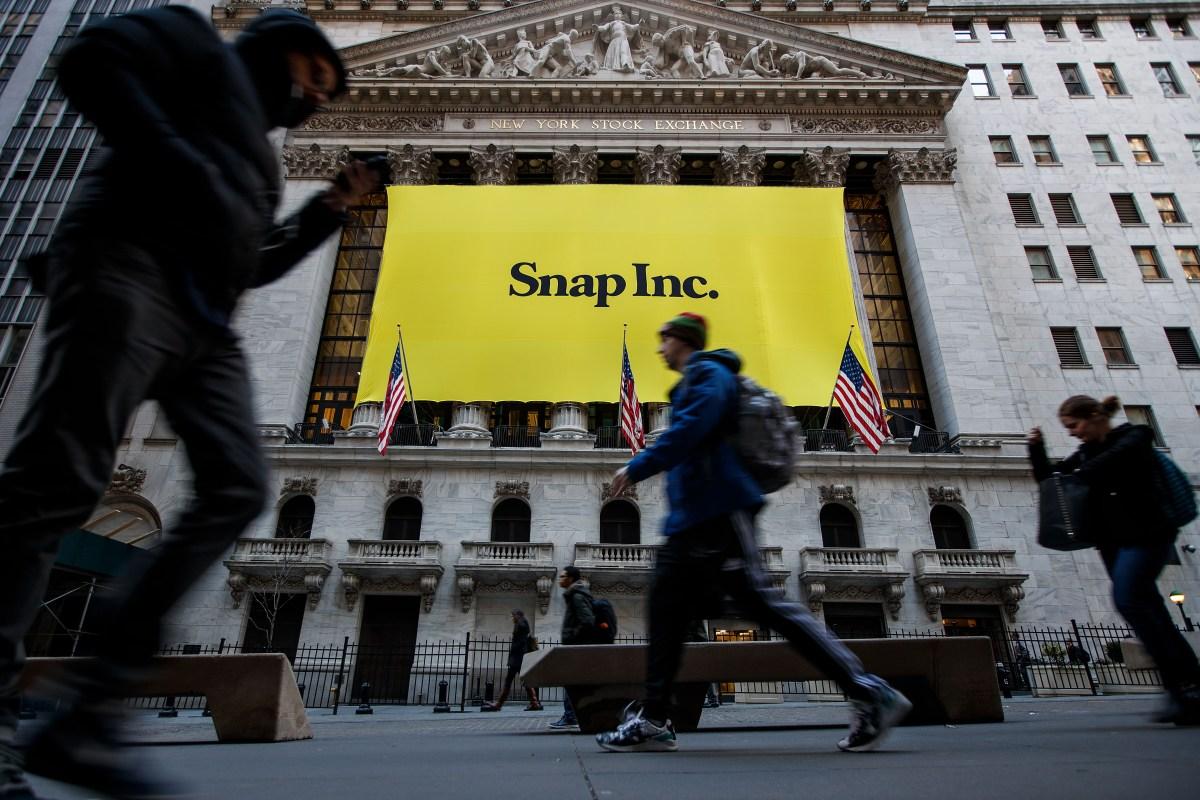
Microsoft Copilot Hits 20M Paid Users
May 6, 2026

Discover the top AI tools handpicked daily by our editors to help you stay ahead with the latest and most innovative solutions.