
OpenViking: Filesystem-Based Memory for AI Agents
🎯 Quick Impact Summary
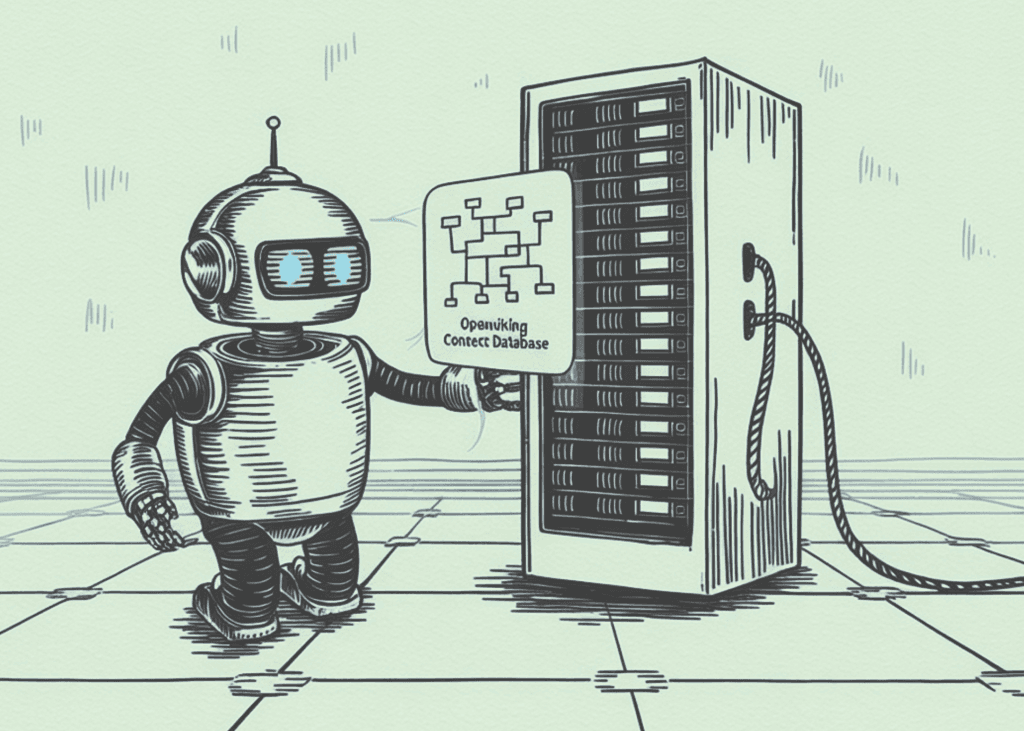
OpenViking is an open-source context database from Volcengine that fundamentally reimagines how AI agents organize and retrieve information. Instead of treating context as flat collections of text, OpenViking uses a filesystem-based architecture to create structured, hierarchical memory systems that make agent workflows more intuitive and manageable. This approach transforms how AI systems handle memory, resources, and skills in production environments.
What's New in OpenViking
OpenViking introduces a paradigm shift in context management for AI agent systems. The filesystem-based approach replaces traditional flat-text retrieval with organized, hierarchical memory structures.
- Filesystem-Based Architecture: Context is organized like a file system with directories and files, enabling hierarchical memory organization instead of treating all information equally
- Unified Memory Management: Skills, resources, and context are managed through a single unified interface, reducing complexity in multi-agent systems
- Structured Context Retrieval: Information retrieval follows familiar filesystem patterns, making it easier for developers to reason about agent memory and access patterns
- Open-Source Foundation: Built as an open-source project, allowing community contributions and customization for specific use cases
- Agent System Integration: Designed specifically for AI agent frameworks like OpenClaw, enabling seamless integration with existing agent architectures
- Scalable Knowledge Organization: Supports complex hierarchical relationships between different types of context, from simple facts to complex procedural knowledge
Technical Specifications
OpenViking's architecture is built around modern principles of context management and retrieval optimization for AI systems.
- Architecture Pattern: Filesystem paradigm with hierarchical directory and file structures for context organization
- Context Storage: Manages memory, resources, and skills through unified storage mechanisms rather than separate systems
- Integration Framework: Designed for compatibility with AI agent systems including OpenClaw and similar frameworks
- Open-Source License: Community-driven development model allowing extensibility and customization
- Query Mechanism: Filesystem-style navigation and retrieval patterns for intuitive context access
Official Benefits
- Eliminates confusion from flat-text context management by introducing familiar filesystem hierarchies
- Reduces development time by providing unified interface for memory, resources, and skills management
- Improves agent reasoning by organizing context in logical, hierarchical structures that mirror real-world relationships
- Enables better scalability for complex multi-agent systems handling diverse types of information
- Simplifies debugging and monitoring of agent behavior through transparent context organization
Real-World Translation
What Each Feature Actually Means:
- Filesystem-Based Architecture: Instead of searching through a massive pile of text chunks, imagine your agent's memory organized like folders on your computer. Skills go in one folder, resources in another, and specific context in subfolders. When your agent needs information, it navigates this structure intuitively rather than hoping a similarity search returns the right chunk.
- Unified Memory Management: Previously, developers had to maintain separate systems for storing skills, managing resources, and organizing context. Now everything lives in one place with consistent access patterns, like having one unified filing cabinet instead of three separate ones scattered around your office.
- Structured Context Retrieval: Your agent can now ask for "all resources in the data-processing folder" or "the skill for image analysis" with precision, rather than submitting vague queries and hoping the top result is relevant. This is like the difference between searching a well-organized library versus a pile of books on the floor.
- Agent System Integration: When building complex multi-agent systems, OpenViking acts as the central nervous system, allowing different agents to share and reference organized context without stepping on each other's toes or duplicating information.
- Scalable Knowledge Organization: As your agent system grows from handling simple tasks to managing complex workflows, the hierarchical structure grows with it, maintaining clarity and performance instead of degrading into chaos.
Before vs After
Before
AI agent systems treated all context as flat collections of text chunks, forcing developers to manage memory, resources, and skills through separate, disconnected systems. Retrieval relied on similarity searches that often returned irrelevant results, and scaling to complex multi-agent scenarios became increasingly difficult and error-prone.
After
OpenViking organizes context through intuitive filesystem hierarchies where memory, resources, and skills are unified and logically structured. Agents can navigate and retrieve information with precision, and developers can reason about system behavior more easily through transparent, organized context management.
📈 Expected Impact: Development time for AI agent systems decreases significantly while context retrieval accuracy and system scalability improve substantially.
Job Relevance Analysis
AI Researcher
- Use Case: AI researchers use OpenViking to design and test new agent architectures with organized context management, enabling experiments on how different memory structures affect agent reasoning and performance
- Key Benefit: Provides a structured foundation for studying context organization patterns, allowing researchers to isolate variables and measure the impact of hierarchical memory on agent behavior
- Workflow Integration: Replaces ad-hoc context management scripts with a standardized system, freeing researchers to focus on algorithmic innovations rather than infrastructure
- Skill Development: Deepens understanding of knowledge representation, context management, and how information organization affects AI system performance
- Research Applications: Enables comparative studies between flat-text and hierarchical context systems, contributing to the broader field of agent architecture design

3D Modeler
- Use Case: 3D modelers working with AI-powered tools use OpenViking to organize asset libraries, material definitions, and procedural generation skills in structured hierarchies
- Key Benefit: Enables AI systems to intelligently access and reference 3D assets, materials, and techniques through organized context rather than generic text search
- Workflow Integration: Integrates with AI-assisted 3D modeling tools that need to understand and retrieve specific asset categories, material properties, and modeling techniques
- Skill Development: Helps modelers understand how AI systems can be trained to navigate complex asset libraries and apply contextual knowledge to generation tasks
- Practical Application: When an AI assists in creating a sci-fi environment, it can access organized context about futuristic materials, architectural styles, and asset libraries through filesystem-like navigation

Game Developer
- Use Case: Game developers use OpenViking to organize game state, NPC behaviors, quest structures, and world knowledge in hierarchical contexts that AI agents can navigate and utilize
- Key Benefit: Enables sophisticated AI-driven NPCs and systems that understand game world organization, making behavior more contextually appropriate and reducing scripting overhead
- Workflow Integration: Fits into game development pipelines where AI agents need to understand and interact with complex game worlds organized by regions, factions, quests, and character relationships
- Skill Development: Developers learn to structure game knowledge in ways that AI systems can reason about, improving both AI behavior and overall game architecture
- Practical Application: An NPC can navigate a hierarchical game world context to understand faction relationships, available quests, and appropriate behaviors for different locations, enabling more dynamic and believable interactions

Getting Started
How to Access
- Visit the OpenViking repository on GitHub or Volcengine's official project page
- Clone the repository to your local development environment
- Review the documentation for installation requirements and dependencies
- Follow the setup guide for your specific AI agent framework (such as OpenClaw)
Quick Start Guide
For Beginners:
- Install OpenViking using the provided package manager or from source following the official documentation
- Create your first context hierarchy by defining folders for skills, resources, and context using simple configuration files
- Initialize a basic agent system and test context retrieval using provided example scripts
- Explore the filesystem structure through provided tools to understand how your context is organized
For Power Users:
- Design custom context hierarchies tailored to your specific agent system requirements and domain knowledge
- Implement custom retrieval logic and indexing strategies to optimize performance for your use cases
- Integrate OpenViking with existing agent frameworks and build custom connectors for specialized systems
- Set up monitoring and debugging tools to track context access patterns and optimize organization over time
- Contribute extensions and improvements back to the open-source community
Pro Tips
- Start Simple: Begin with a basic three-level hierarchy (skills, resources, context) before adding complexity; you can always expand as your system grows
- Mirror Your Domain: Organize your context structure to match how your domain experts naturally think about information; this makes agent behavior more intuitive to debug
- Version Your Context: Treat context updates like code changes with version control, allowing you to track how information organization affects agent performance over time
- Leverage Filesystem Tools: Use standard filesystem utilities and commands to inspect, analyze, and manage your context structures alongside specialized OpenViking tools
FAQ







AI Spotlights
Unleashing Today's trailblazer, this week's game-changers, and this month's legends in AI. Dive in and discover tools that matter.
OpenAI Codex Chrome Extension Review

Perplexity Personal Computer: AI Agents for Mac
OpenAI Voice Intelligence API: New Features Review
ChatGPT Trusted Contact: New Self-Harm Safeguard
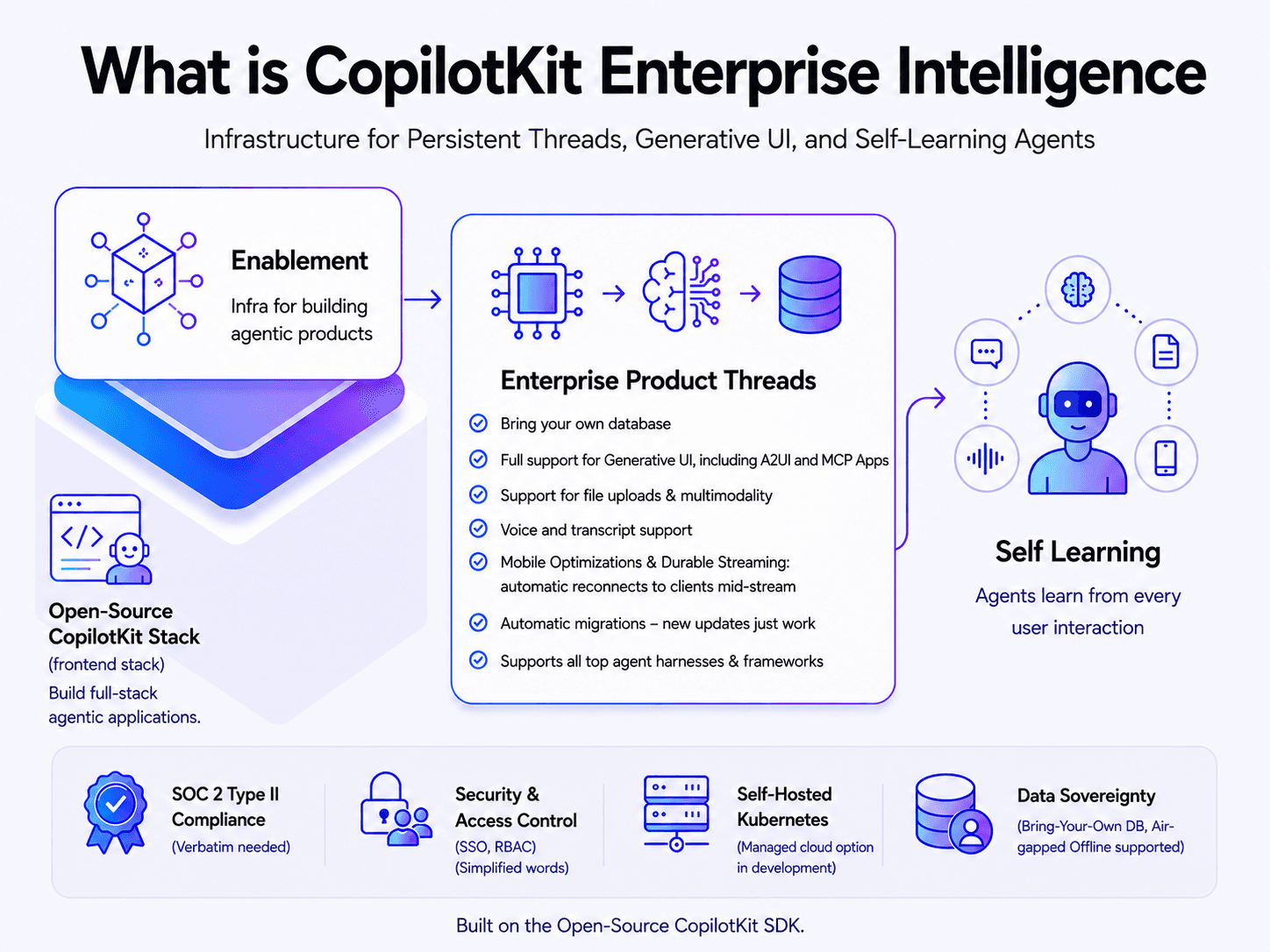
CopilotKit Intelligence: Enterprise AI Memory Platform
OpenAI Training Spec: GPU Performance Breakthrough
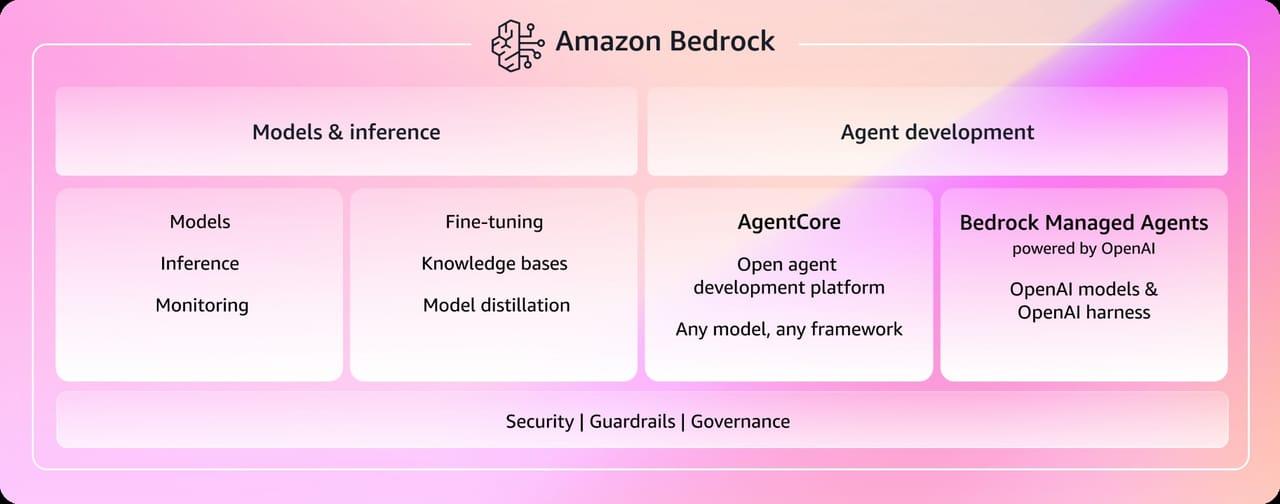
AWS Managed Agents Review: OpenAI Partnership

Glean AI Search Review: Enterprise Search Redefined
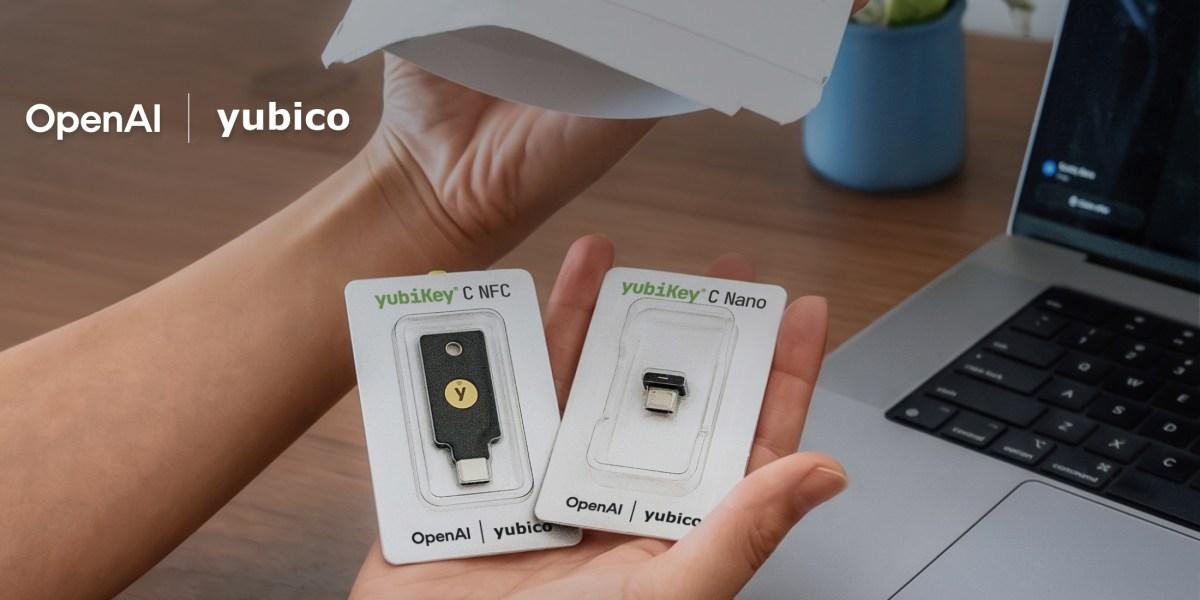
ChatGPT Security Update: Advanced Protection Features
Mistral's Cloud Code Platform Review
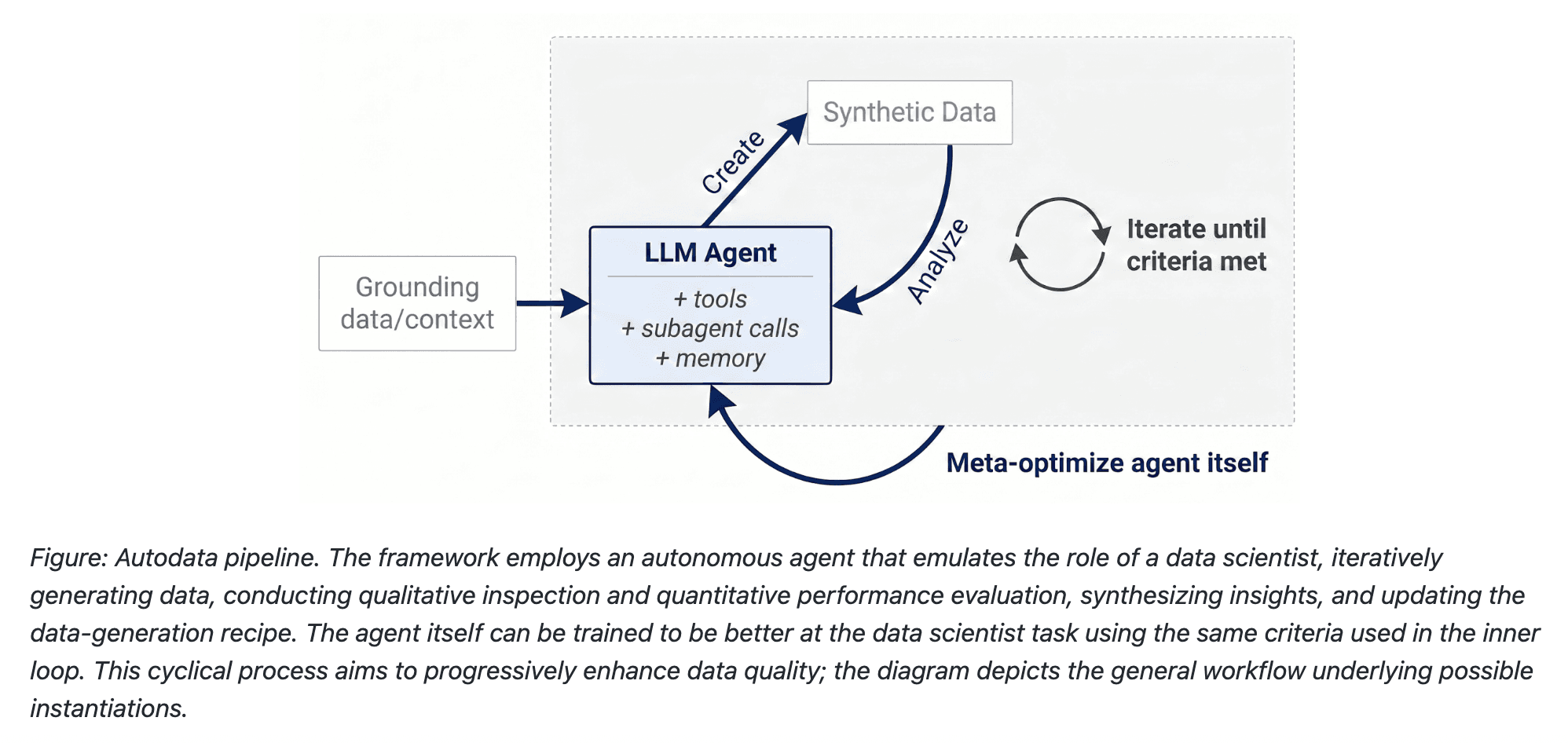
Meta Autodata: AI Framework for Autonomous Data Scientists
Gemini API Webhooks: Real-Time AI Automation
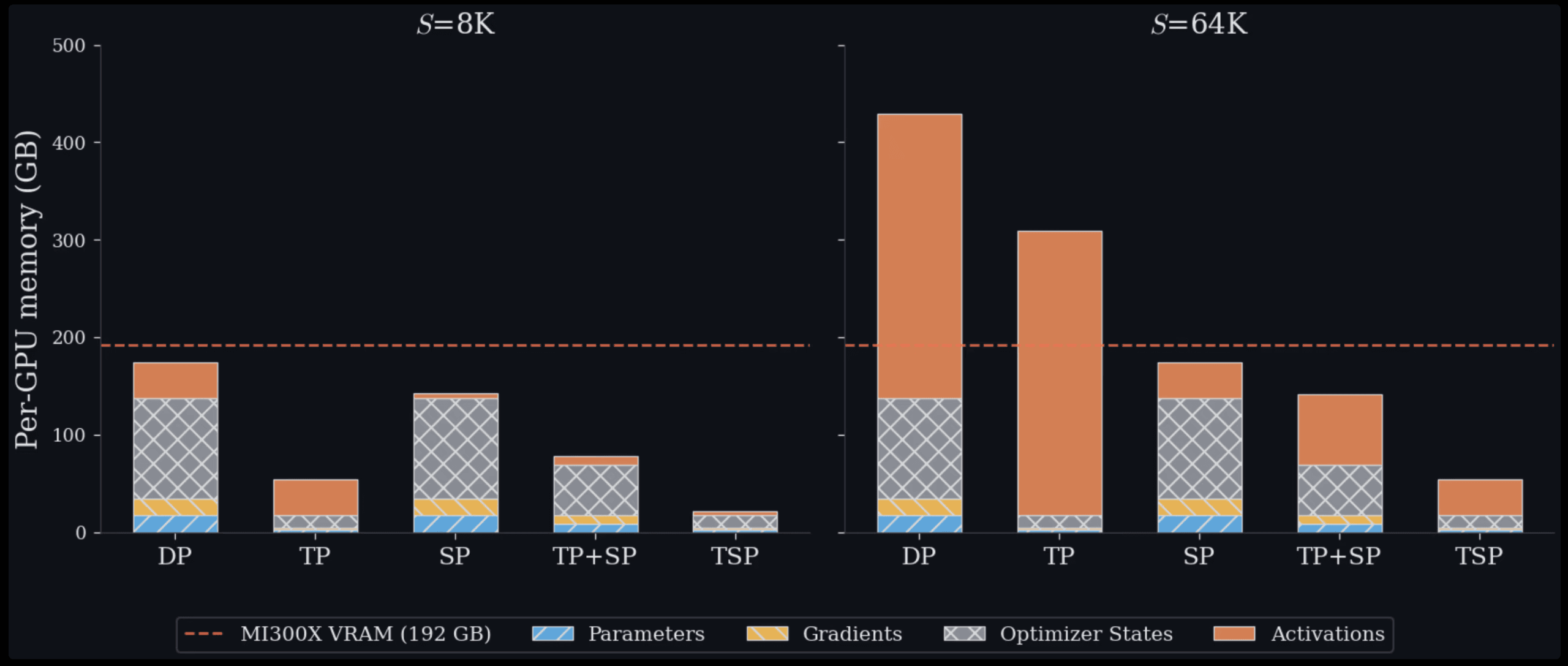
Zyphra TSP: 2.6x Faster AI Training Review

SoundHound OASYS: Self-Learning AI Agent Platform

Google Home Gemini 3.1: Smarter AI Assistant
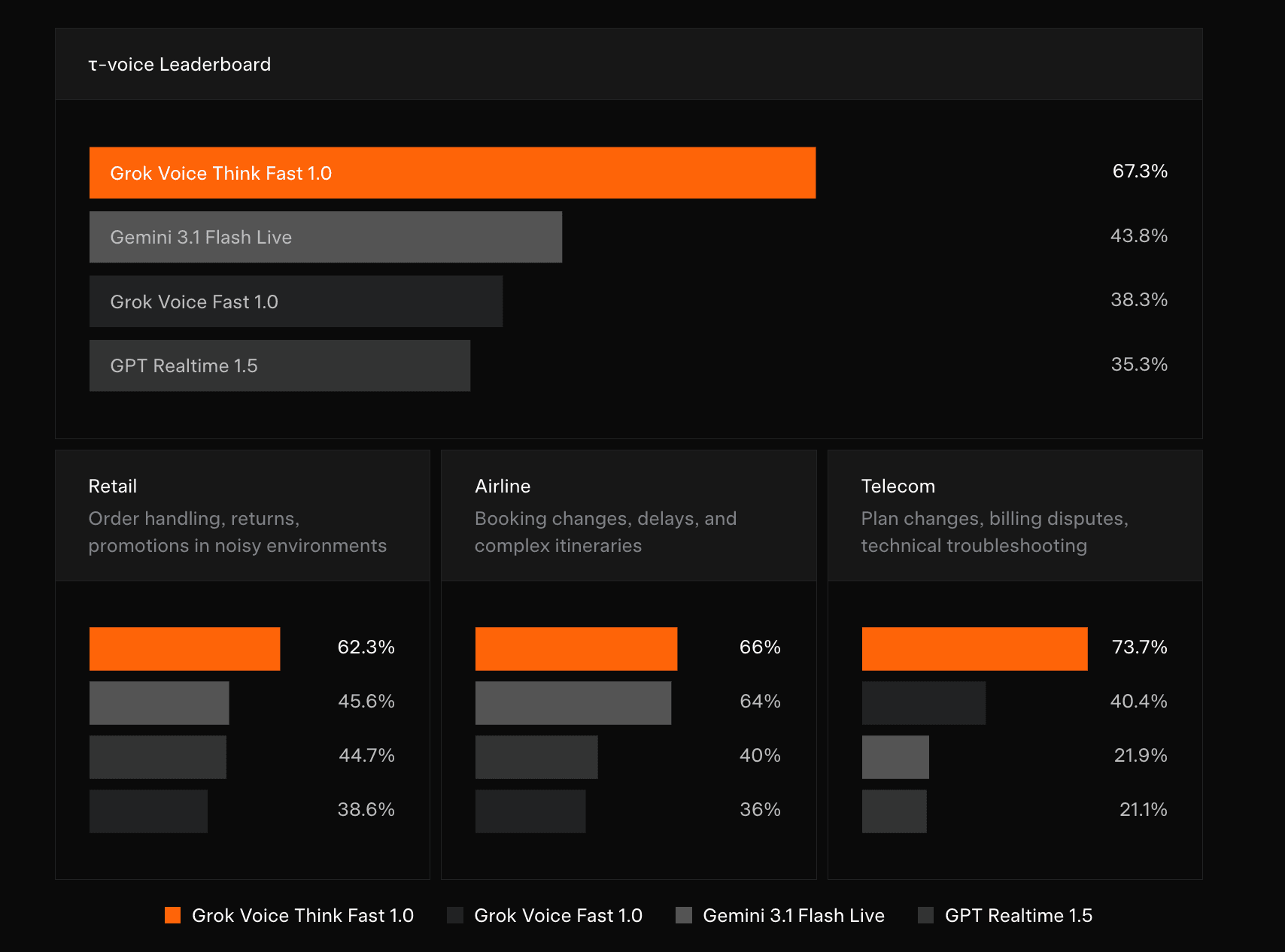
Grok Voice Think Fast 1.0 Review: AI Voice
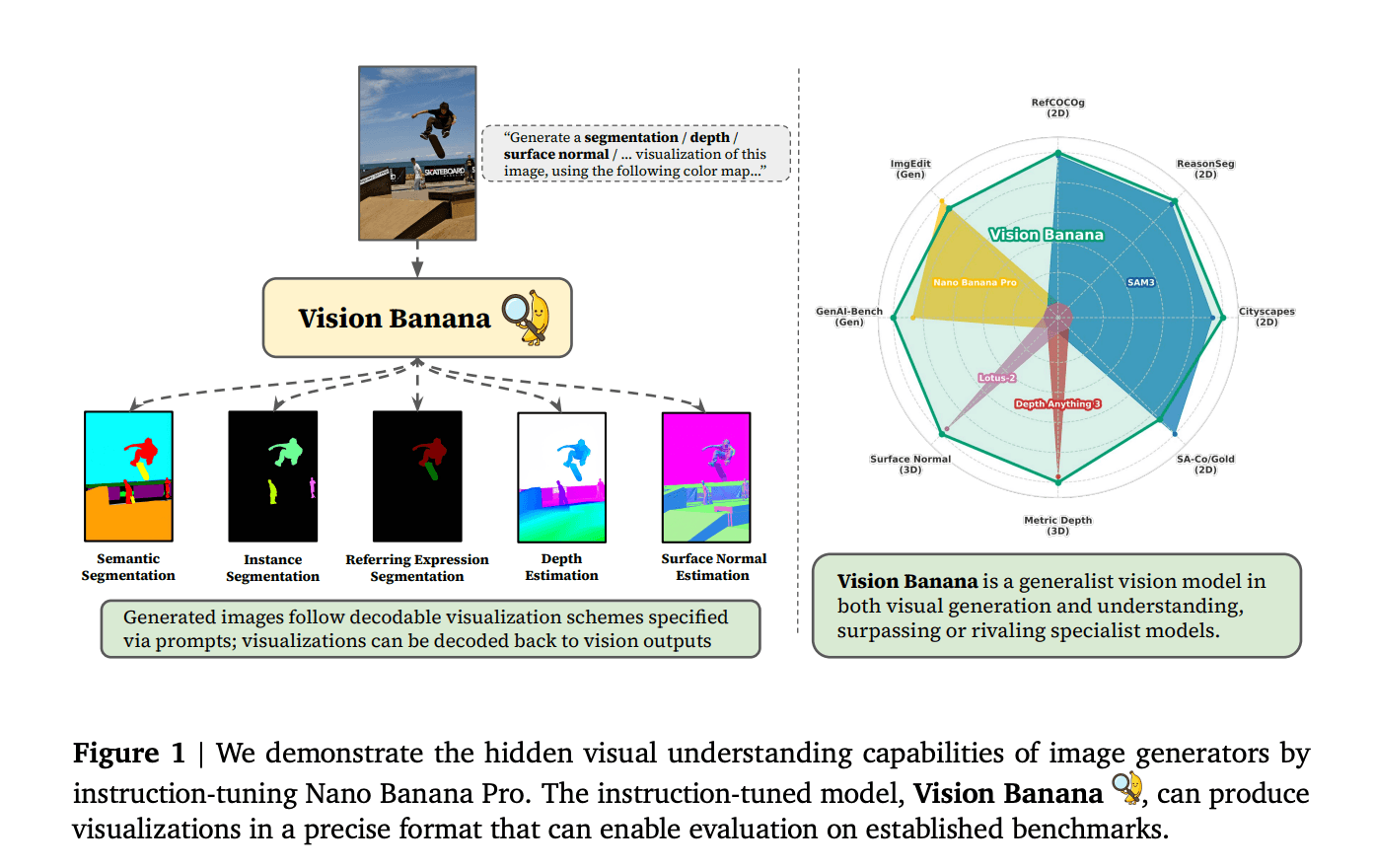
Vision Banana Review: Google's Instruction-Tuned Image Generator
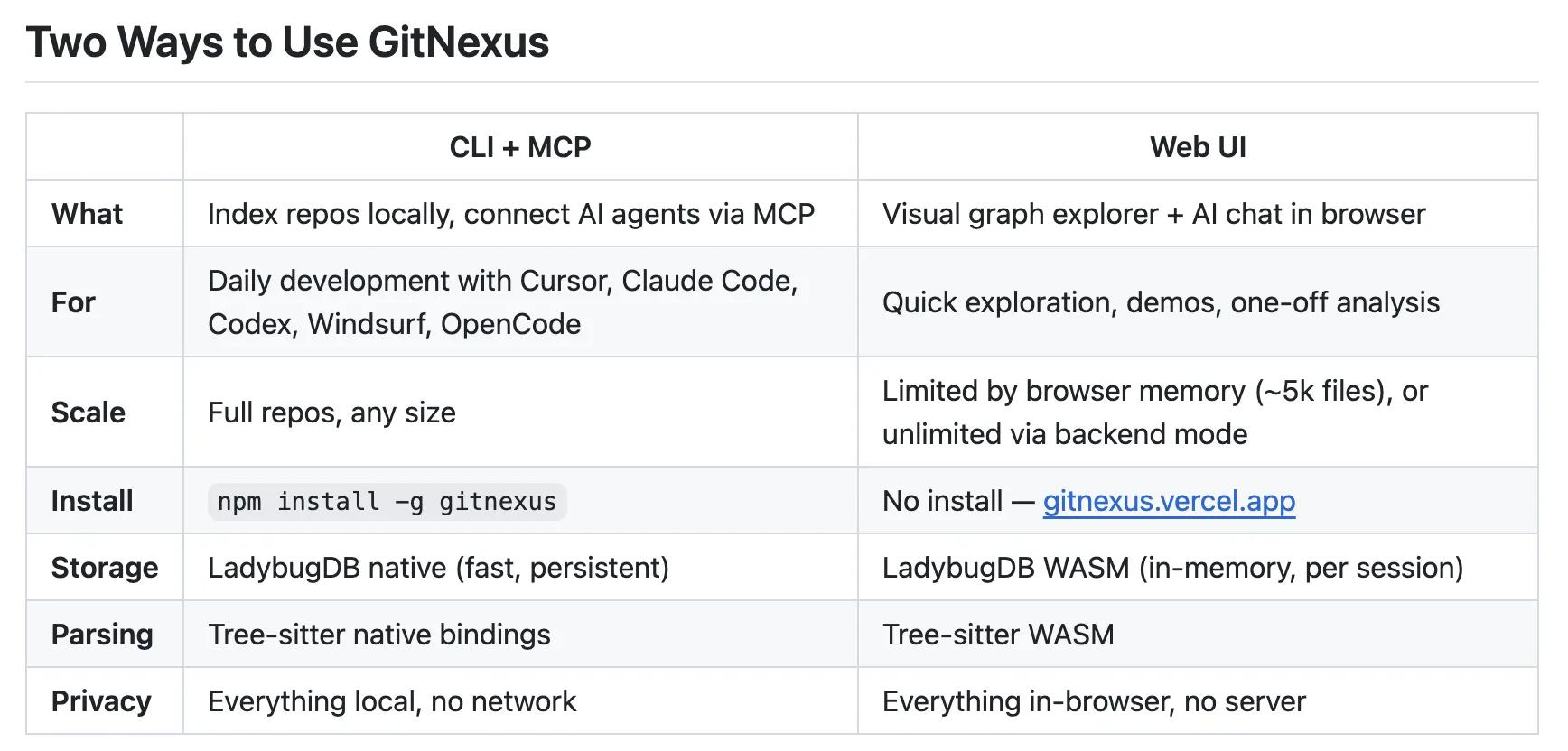
GitNexus Review: Open-Source Code Knowledge Graph
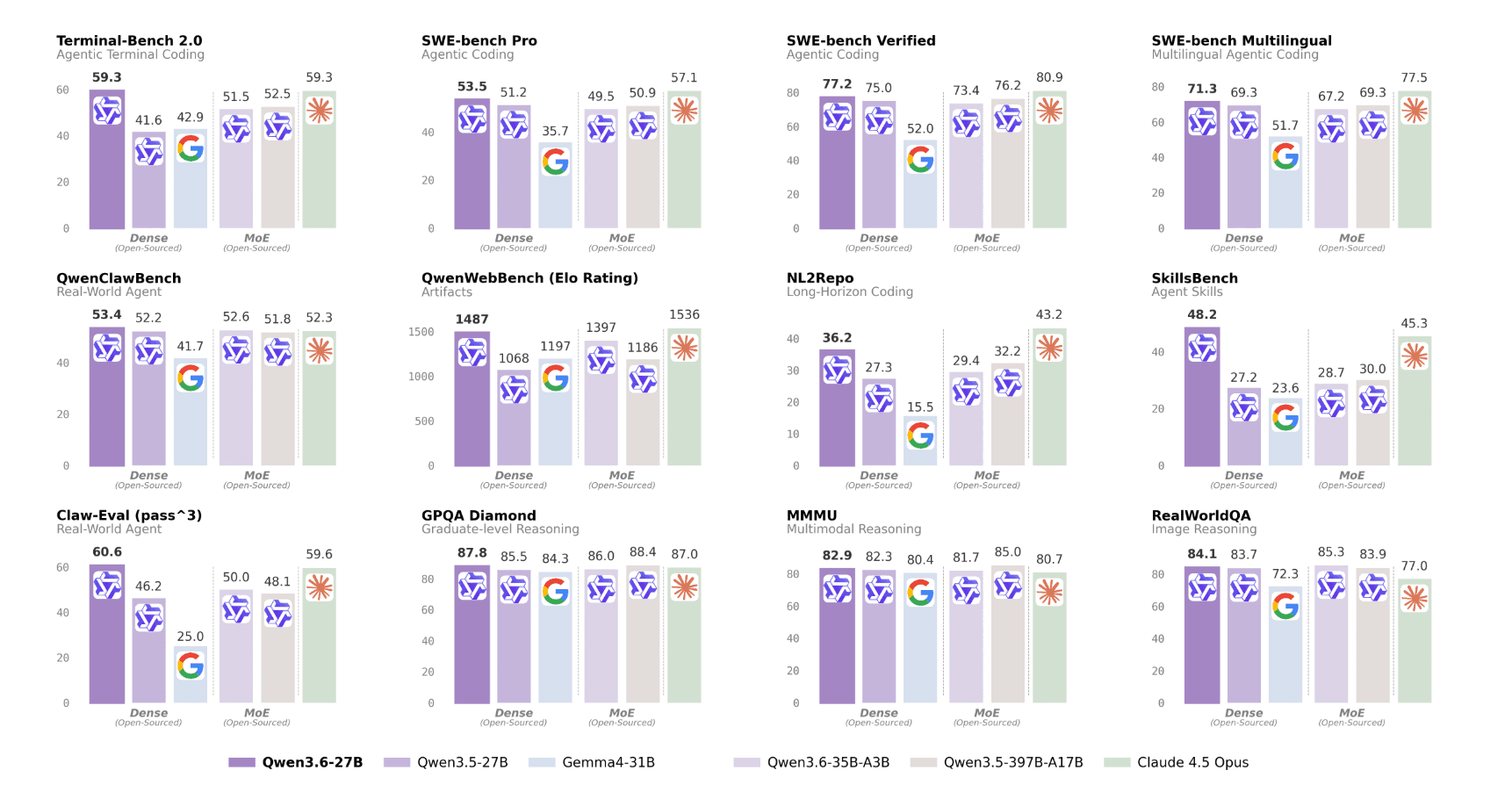
Qwen3.6-27B Review: Dense Model Outperforms 397B MoE

ChatGPT Workspace Agents: Custom AI Bots for Teams
You Might Like These Latest News
All AI NewsStay informed with the latest AI news, breakthroughs, trends, and updates shaping the future of artificial intelligence.
AI Data Centers Face Growing Crisis
May 10, 2026
SpaceX Plans $55B AI Chip Plant in Texas
May 8, 2026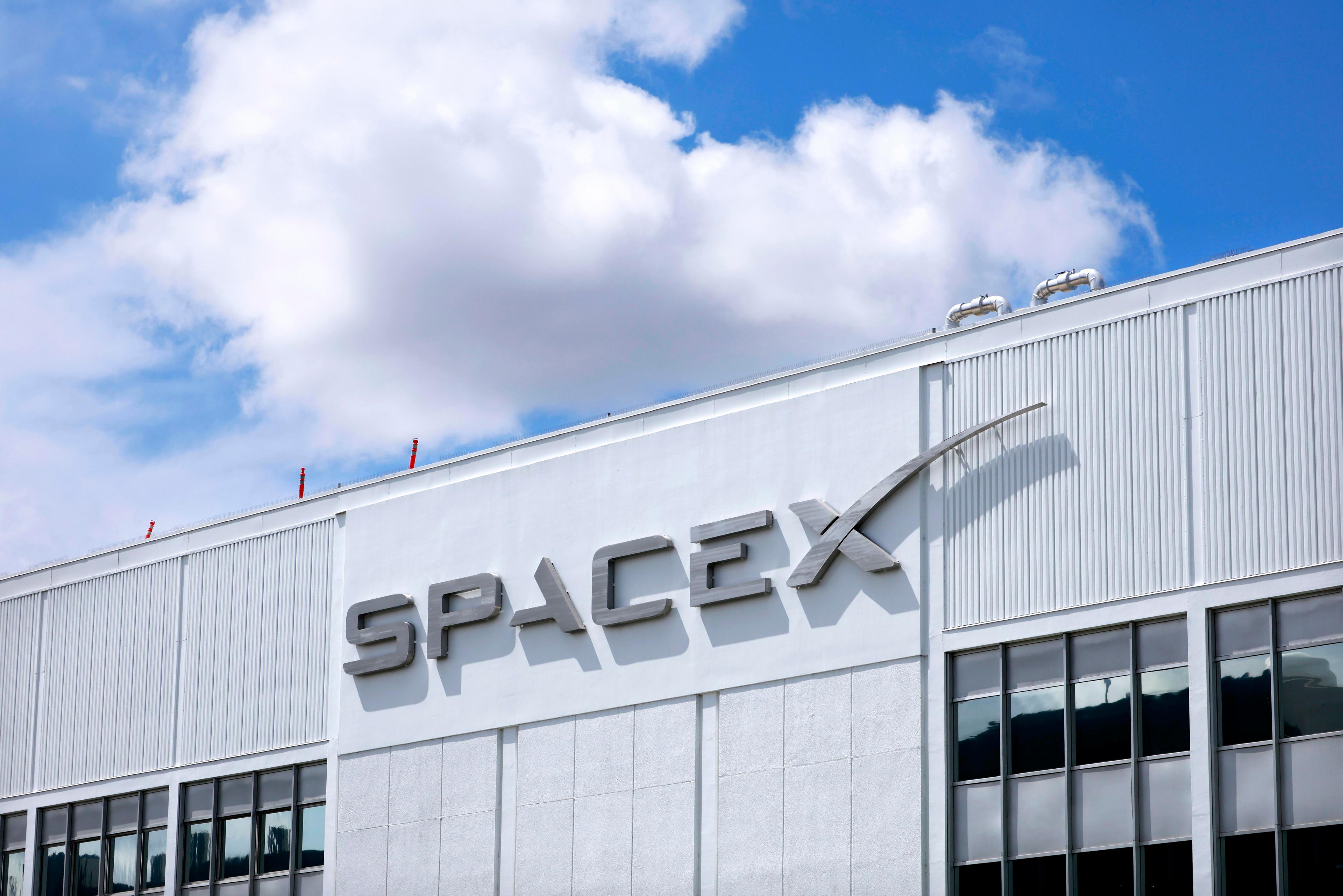
Voi Founders Launch AI Startup Pit With $16M Seed
May 8, 2026
US Energy Secretary and NVIDIA Discuss AI-Powered Energy Future
May 8, 2026
Anthropic Finance Agents Disrupt Wall Street Jobs
May 7, 2026
Snap Ends $400M Perplexity AI Search Deal
May 7, 2026
Microsoft Copilot Hits 20M Paid Users
May 6, 2026
Runway Eyes World Models Beyond AI Video
May 6, 2026
Microsoft to Exploit New OpenAI Deal
May 6, 2026

Tools of The Day
Discover the top AI tools handpicked daily by our editors to help you stay ahead with the latest and most innovative solutions.