Join Our Community










Get the earliest access to hand-picked content weekly for free.
Spam-free guaranteed! Only insights.
Join Our Community
Get the earliest access to hand-picked content weekly for free.
Spam-free guaranteed! Only insights.

🎯 Quick Impact Summary
-This upgrade makes OpenAI a stronger contender for building complex, stateful AI agents that can perform multi-step tasks.
-The key benefits are persistent memory, advanced tool use, and improved reliability, which are crucial for long-running applications.
-Ideal for developers creating sophisticated customer support bots, personal assistants, and enterprise automation tools.
-While powerful, developers must be mindful of the potential for high token costs on long-running tasks.
-Compared to alternatives, it offers tight integration with the OpenAI ecosystem, which can be a major advantage for existing users.
OpenAI has upgraded its Responses API with features specifically built for long-running AI agents. This update addresses a critical challenge in AI development: maintaining state, context, and reliability over extended interactions without complex external infrastructure. It's designed for developers, startups, and enterprises building persistent AI agents that need to operate reliably over time. The key benefits are enhanced memory capabilities, improved tool integration, and more robust error handling, allowing for the creation of sophisticated, stateful AI applications.
The core of this upgrade focuses on three main areas: persistent memory, advanced tool use, and improved reliability. Persistent memory allows an agent to recall previous conversations and user data, creating a more personalized and coherent experience. This is a significant step up from the standard, stateless nature of typical API calls.
Advanced tool use is another cornerstone. The API now better supports agents that can sequentially call multiple tools, make decisions based on outputs, and correct their course. For example, an agent could book a flight, then use that confirmation to book a hotel, and finally add both to a calendar, all within a single, long-running process. This is crucial for complex, multi-step automation. Reliability features include better timeouts and retry logic, which are essential for agents that may run for minutes or even hours.
The technology builds on the foundation of the Chat Completions API but adds a stateful layer. Instead of treating each API call as an independent event, the Responses API can maintain a "session" or "conversation" context. Developers can pass a conversation ID or state object, and OpenAI's infrastructure manages the context, including tool call history and user-specific data.
This is achieved by structuring the API to handle a sequence of requests and responses that are logically linked. The model is given access to a history of tool calls and their results, allowing it to reason about the next step in a complex workflow. This architecture is fundamentally different from alternatives like Anthropic's Claude models, which also support long-running tasks but may require different implementation patterns. The key advantage for OpenAI's offering is its tight integration with its ecosystem of models like GPT-4o and o1, potentially offering a more seamless experience for developers already invested in their platform.
The practical applications for these upgraded capabilities are extensive. For customer support, an agent can now handle an entire user journey, from initial problem identification to resolution and follow-up, remembering details from the start to the end of the interaction. This is a major improvement over simple, one-shot chatbots.
In the realm of personal assistants, these agents can manage complex projects. Imagine an agent that helps plan a vacation by researching destinations, comparing prices, booking reservations, and creating a detailed itinerary, all while remembering the user's preferences for budget and activities. For enterprise automation, this could mean an agent that monitors business metrics, identifies anomalies, initiates corrective actions through various APIs, and reports on the outcome. These use cases move beyond simple Q&A to true task completion and workflow automation.
Pricing for the Responses API is based on token usage, similar to other OpenAI models. The cost will depend on the specific model used (e.g., GPT-4o, o1), the number of input and output tokens, and the complexity of the tasks (including any tool calls). There are no separate fees for the stateful features themselves; they are part of the API's functionality.
For the most current and detailed pricing information, it is essential to visit the official OpenAI pricing page. Enterprise customers may have access to custom pricing plans and dedicated support. It's also important to note that long-running agents can consume a significant number of tokens, so costs can accumulate quickly for highly complex or frequent tasks.
Pros: -Stateful Operations: Native support for long-running, context-aware agents is a game-changer. -Seamless Tool Integration: Simplifies building complex, multi-step workflows. -Robustness: Improved reliability features are essential for production-grade agents. -Ecosystem Integration: Works well with other OpenAI services and models.
Cons: -Cost: Long-running tasks can become expensive due to token consumption.
FAQ
Related Topics
AI Spotlights
Unleashing Today's trailblazer, this week's game-changers, and this month's legends in AI. Dive in and discover tools that matter.
OpenAI Codex Chrome Extension Review

Perplexity Personal Computer: AI Agents for Mac
OpenAI Voice Intelligence API: New Features Review

ChatGPT Trusted Contact: New Self-Harm Safeguard
CopilotKit Intelligence: Enterprise AI Memory Platform
OpenAI Training Spec: GPU Performance Breakthrough
AWS Managed Agents Review: OpenAI Partnership

Glean AI Search Review: Enterprise Search Redefined
ChatGPT Security Update: Advanced Protection Features
Mistral's Cloud Code Platform Review
Meta Autodata: AI Framework for Autonomous Data Scientists
Gemini API Webhooks: Real-Time AI Automation
Zyphra TSP: 2.6x Faster AI Training Review

SoundHound OASYS: Self-Learning AI Agent Platform

Google Home Gemini 3.1: Smarter AI Assistant
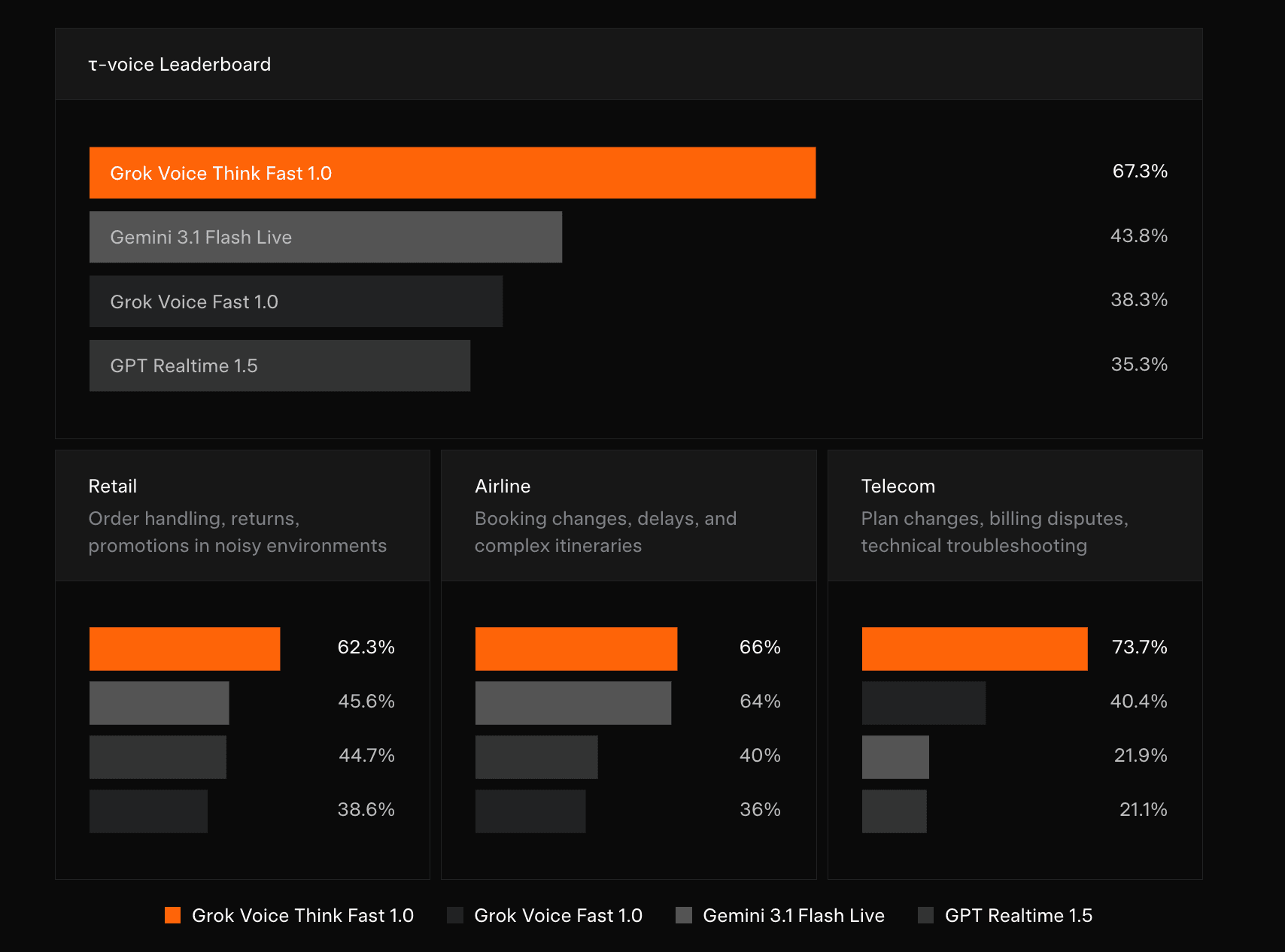
Grok Voice Think Fast 1.0 Review: AI Voice
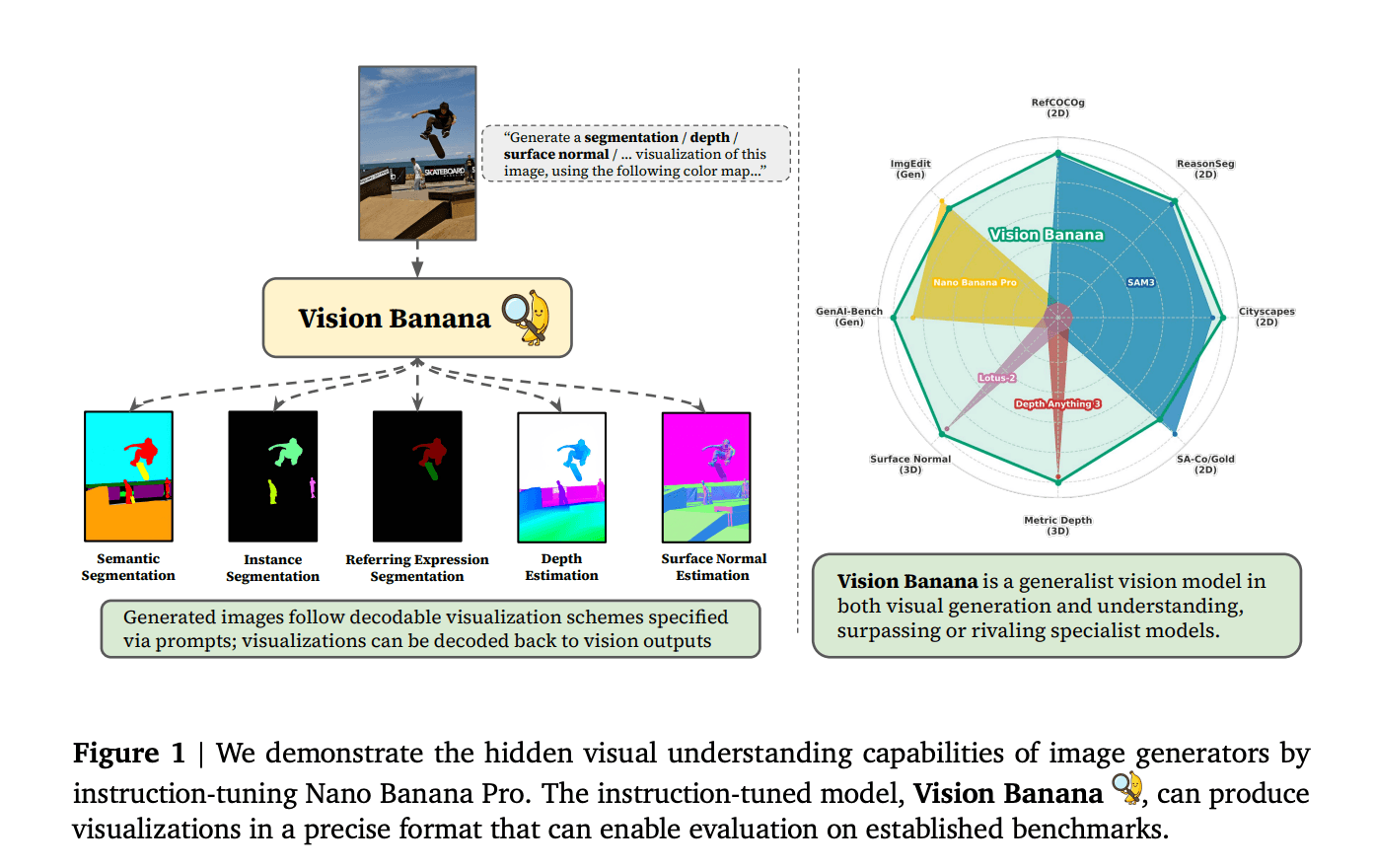
Vision Banana Review: Google's Instruction-Tuned Image Generator
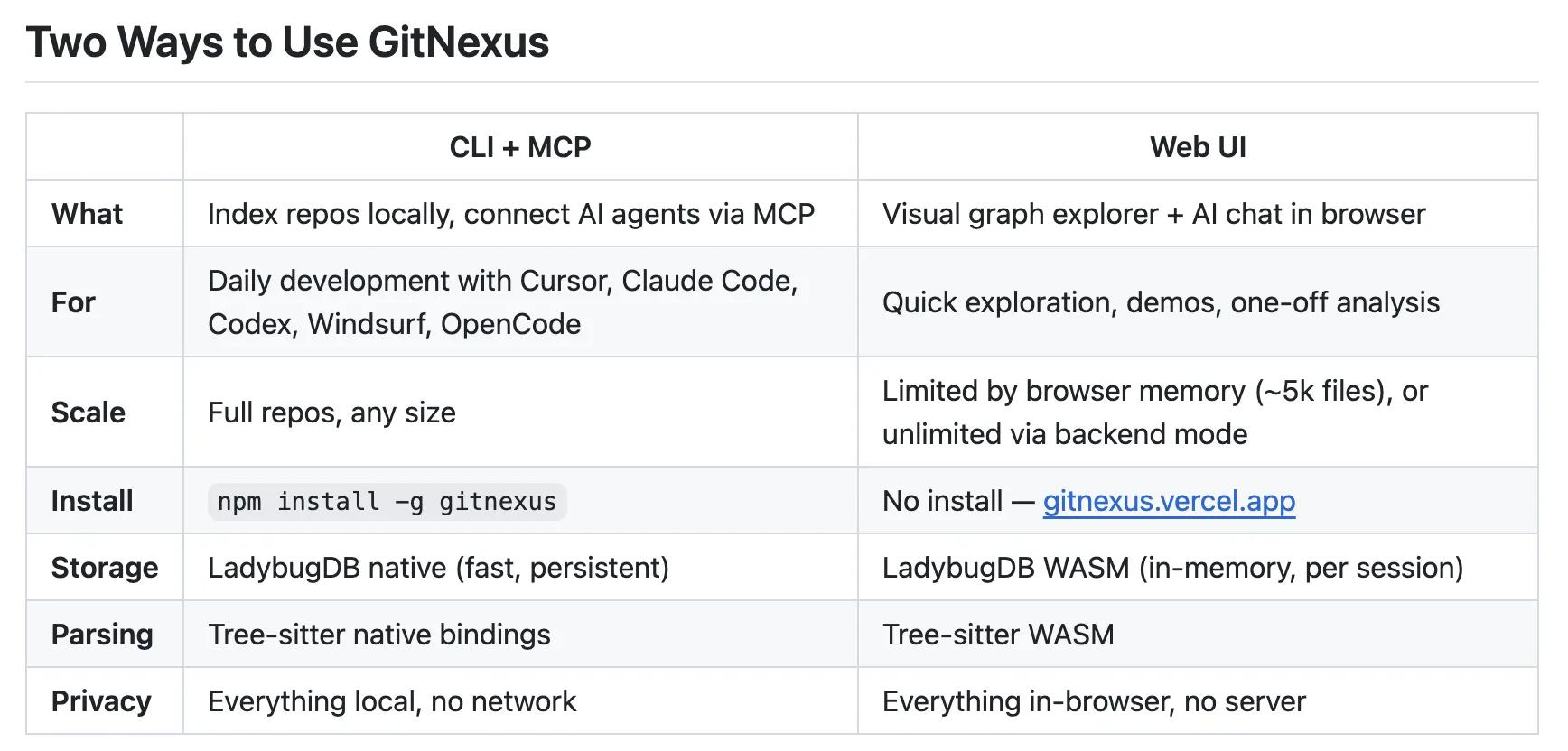
GitNexus Review: Open-Source Code Knowledge Graph
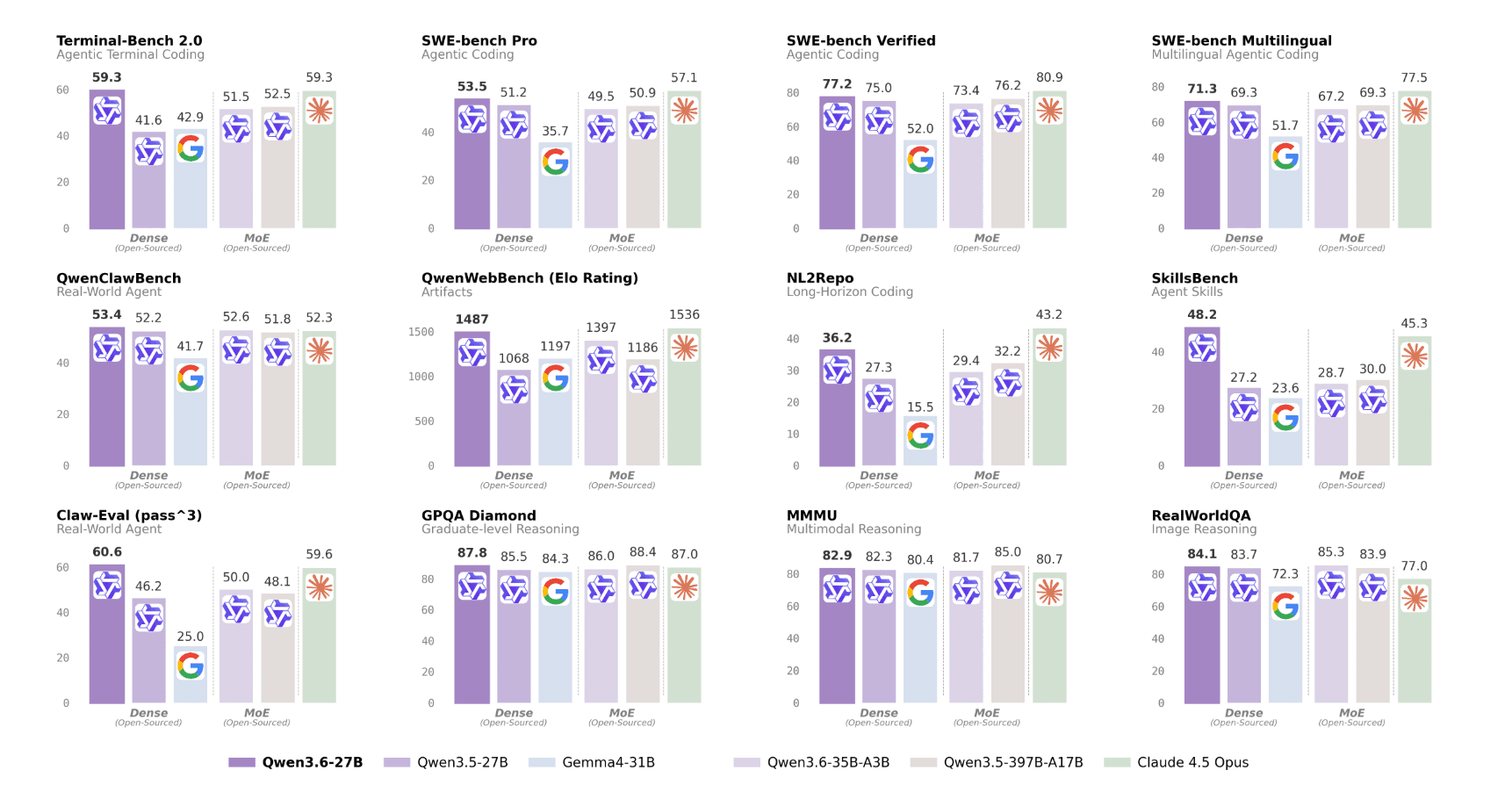
Qwen3.6-27B Review: Dense Model Outperforms 397B MoE

ChatGPT Workspace Agents: Custom AI Bots for Teams
You Might Like These Latest News
All AI NewsStay informed with the latest AI news, breakthroughs, trends, and updates shaping the future of artificial intelligence.
AI Voice Assistants Transform Office Work Culture
May 11, 2026
Anthropic: Fictional AI Portrayals Shaped Claude's Behavior
May 11, 2026
AI Data Centers Face Growing Crisis
May 10, 2026
SpaceX Plans $55B AI Chip Plant in Texas
May 8, 2026
Voi Founders Launch AI Startup Pit With $16M Seed
May 8, 2026
US Energy Secretary and NVIDIA Discuss AI-Powered Energy Future
May 8, 2026
Anthropic Finance Agents Disrupt Wall Street Jobs
May 7, 2026
Snap Ends $400M Perplexity AI Search Deal
May 7, 2026
Microsoft Copilot Hits 20M Paid Users
May 6, 2026

Discover the top AI tools handpicked daily by our editors to help you stay ahead with the latest and most innovative solutions.