Join Our Community










Get the earliest access to hand-picked content weekly for free.
Spam-free guaranteed! Only insights.
Join Our Community
Get the earliest access to hand-picked content weekly for free.
Spam-free guaranteed! Only insights.
Kling 3.0 is the latest iteration of a powerful AI video generation model developed by the Chinese company Kuaishou Technology. It addresses the core challenge for creators: transforming static concepts, like text prompts or images, into dynamic, high-fidelity video assets without the need for complex animation software or extensive production crews. This tool is designed for digital marketers, social media creators, and visual artists who need to produce compelling video content quickly and affordably. The primary benefit of Kling 3.0 is its ability to generate longer, more coherent, and visually consistent clips, bringing professional-grade video creation within reach of a broader user base.
Kling 3.0 stands out in the crowded AI video landscape with several advanced features. Its most significant upgrade is the ability to produce videos up to 10 seconds long at 1080p resolution and 30 frames per second. This is a considerable step up from earlier versions and many competitors, which often limit clips to a few seconds or lower resolutions. The model demonstrates a sophisticated understanding of physics and real-world motion, allowing it to generate complex actions like a person eating, a car driving through a city, or subtle natural movements with remarkable realism.
Another key capability is improved prompt adherence. Users can provide detailed text descriptions, and Kling 3.0 will more accurately translate those instructions into visual elements, character actions, and atmospheric details. It also supports image-to-video generation, where a static image can be used as a starting point to animate a scene. This feature is invaluable for bringing illustrations, product shots, or concept art to life. The model's ability to maintain character and style consistency throughout the generated clip is a major advantage for creating coherent narratives.
The technology powering Kling 3.0 is based on a Diffusion Transformer architecture. Unlike traditional Generative Adversarial Networks (GANs), diffusion models work by starting with visual noise and progressively refining it into a clear image or video frame by frame. The "Transformer" component helps the model understand the relationships and context between different parts of a prompt and across video frames, which is crucial for maintaining logical consistency and fluid motion over the 10-second duration.
This architecture allows Kling to simulate complex physical phenomena. By learning from vast datasets of real-world video, it builds an internal "world model" of how objects should move, interact, and be affected by forces like gravity and light. This is why its output often feels more physically plausible than that of earlier AI video tools. The model's ability to generate at 1080p resolution is also a direct result of architectural and computational improvements, enabling the creation of assets suitable for commercial use.
The practical applications for Kling 3.0 are vast and span multiple industries. For social media marketers, it offers a way to rapidly produce engaging video ads, animated memes, or content for platforms like TikTok and Instagram Reels. A small business owner could, for example, generate a short product demonstration video by simply describing the product and its features.
Visual storytellers and filmmakers can use it for pre-visualization, quickly animating storyboards or script concepts to test camera angles and character movements before committing to expensive shoots. Artists can explore new creative avenues by turning their static artwork into animated sequences. In the e-learning space, educators can create simple animated explainers to illustrate complex topics. While it may not yet replace a full animation studio for a feature film, Kling 3.0 is an exceptional tool for rapid prototyping, content creation, and augmenting existing creative workflows.
As of its release, access to Kling 3.0 is primarily managed through Kuaishou's official platforms. For users outside of China, the most common access point is a web demo that provides a limited number of free credits to test the model. These credits typically reset after a set period. For more extensive use, Kuaishou has begun to roll out subscription plans, though pricing and availability can vary by region. It is best to check the official Kling website for the most current information on credit systems and subscription tiers.
Pros: * High-Quality Output: Generates 1080p video at 30fps, which is industry-leading for public models. * Longer Durations: The 10-second clip length allows for more complex and complete shots. * Realistic Physics: Excels at creating believable motion and interactions. * Strong Prompt Adherence: Accurately interprets detailed text descriptions.
Cons: * Accessibility: Can be difficult to access from outside China without specific VPNs or third-party platforms. * Learning Curve: Like all prompt-based AI, getting the desired result requires practice and prompt engineering skills. * Limited Control: Lacks the granular, frame-by-frame control of traditional animation software. * Inconsistent Character Rendering: While improved, maintaining perfect character consistency across a full 10-second clip can still be a challenge.
Who Should Use It: Kling 3.0 is ideal for content creators, marketers, social media managers, and indie artists who need high-quality video content quickly. It's a powerful tool for brainstorming, prototyping, and producing assets for digital platforms. It is less suitable for users who require precise, director-level control over every element of a scene or for those who need to integrate video generation into a complex, enterprise-level pipeline without API access.
*takeaways * Kling 3.0 is a state-of-the-art AI video model from Kuaishou, capable of generating up to 10 seconds of 1080p video. * Its key advantage is realistic physics simulation and high-fidelity motion, making generated assets feel more natural and usable. * The tool is best suited for digital creators, marketers, and artists for rapid content creation, prototyping, and social media assets. * Accessibility can be a challenge for international users, with free access often limited to web demos. * While powerful, it offers less granular control than professional animation software and requires skillful prompt engineering for best results. *takeaways
FAQ
Related Topics
AI Spotlights
Unleashing Today's trailblazer, this week's game-changers, and this month's legends in AI. Dive in and discover tools that matter.
OpenAI Codex Chrome Extension Review

Perplexity Personal Computer: AI Agents for Mac
OpenAI Voice Intelligence API: New Features Review
ChatGPT Trusted Contact: New Self-Harm Safeguard
CopilotKit Intelligence: Enterprise AI Memory Platform
OpenAI Training Spec: GPU Performance Breakthrough
AWS Managed Agents Review: OpenAI Partnership

Glean AI Search Review: Enterprise Search Redefined

ChatGPT Security Update: Advanced Protection Features
Mistral's Cloud Code Platform Review
Meta Autodata: AI Framework for Autonomous Data Scientists
Gemini API Webhooks: Real-Time AI Automation
Zyphra TSP: 2.6x Faster AI Training Review

SoundHound OASYS: Self-Learning AI Agent Platform

Google Home Gemini 3.1: Smarter AI Assistant
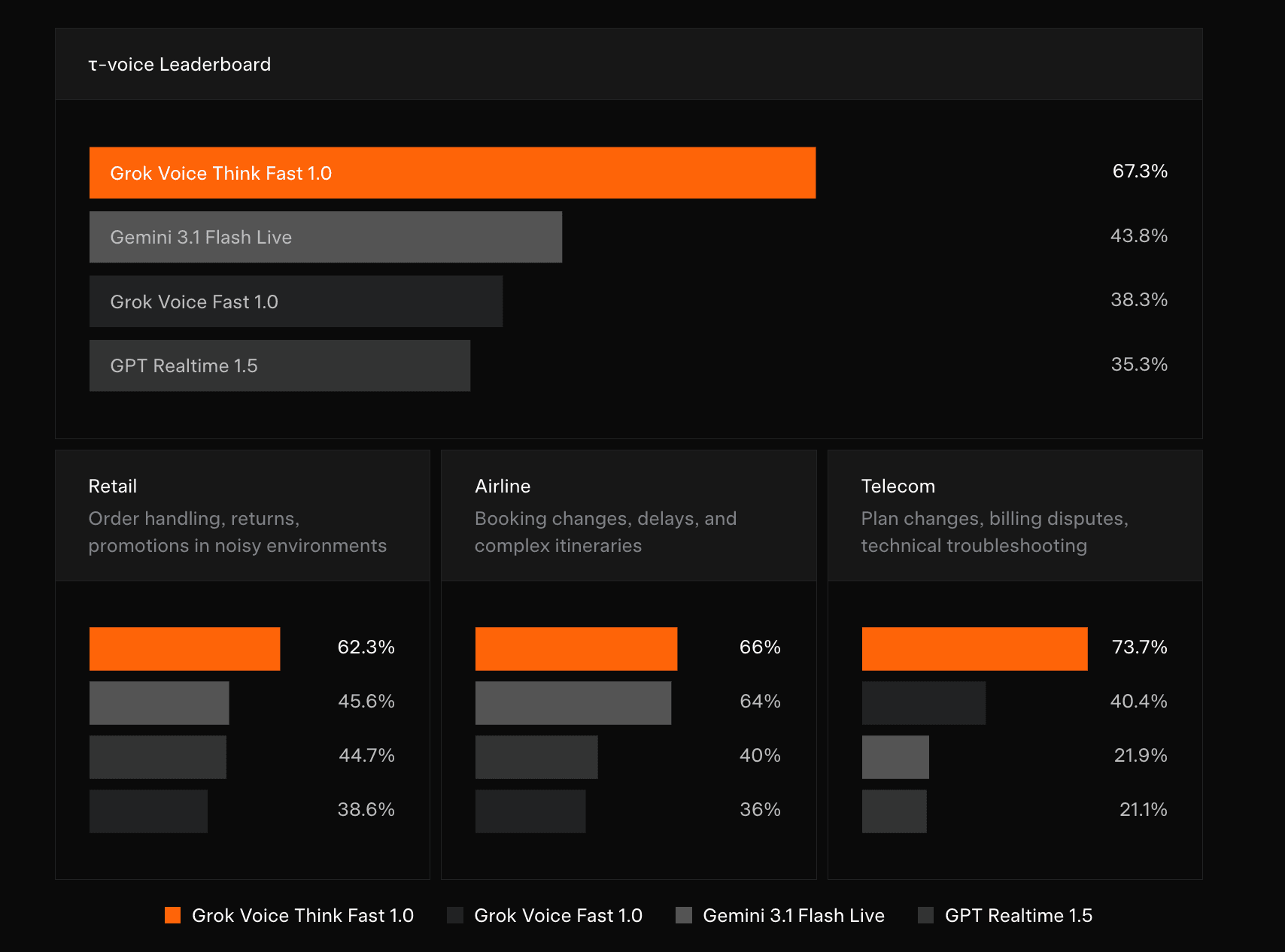
Grok Voice Think Fast 1.0 Review: AI Voice
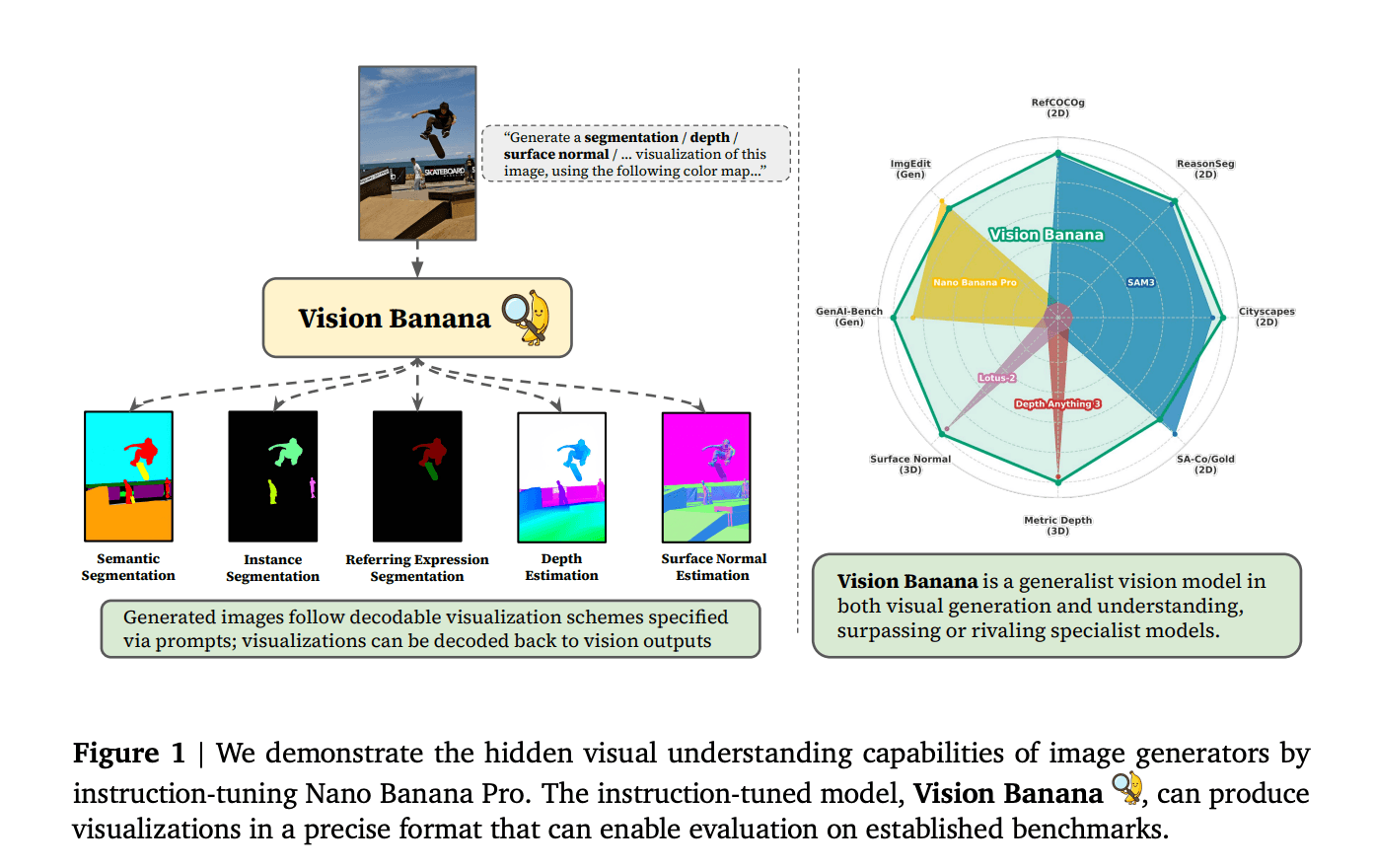
Vision Banana Review: Google's Instruction-Tuned Image Generator
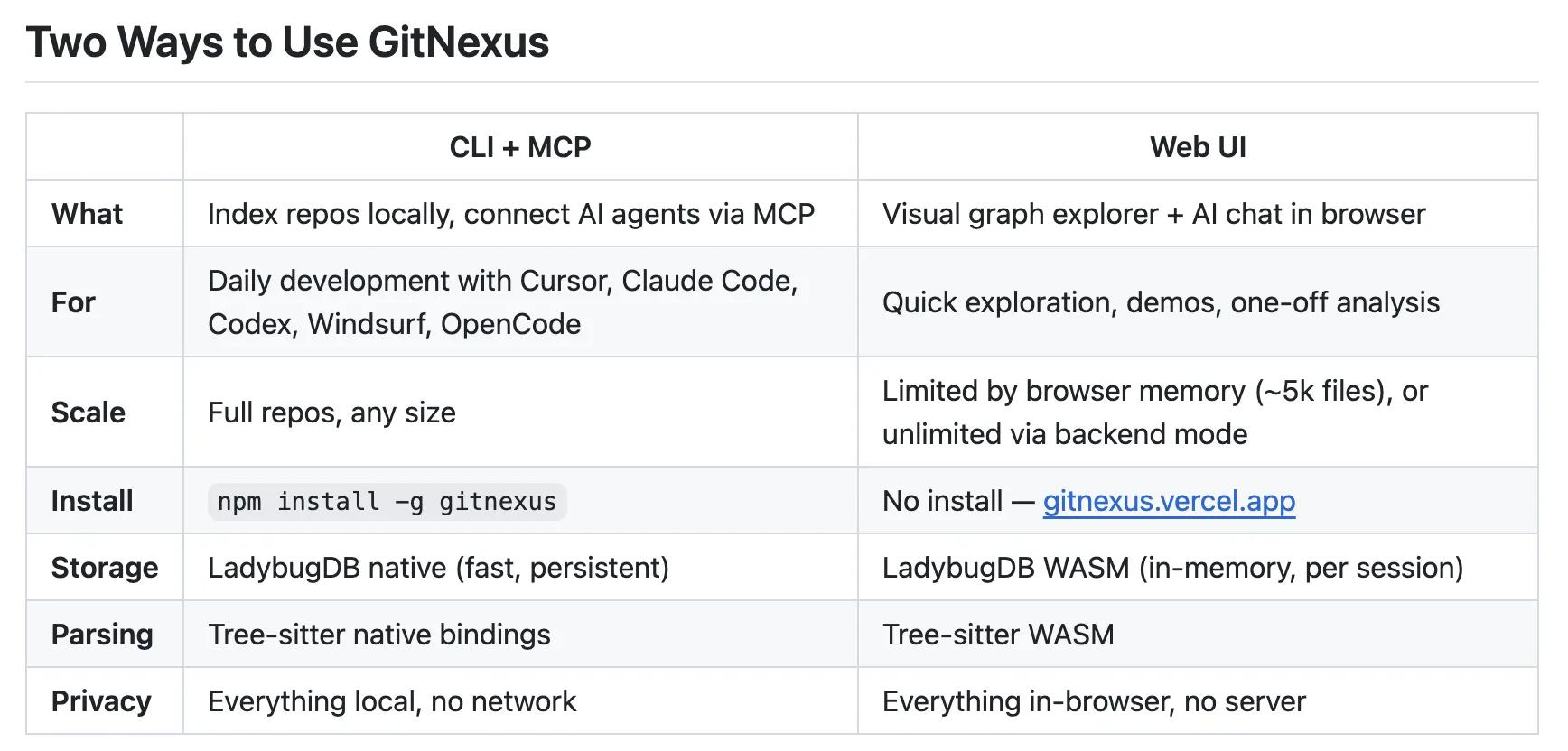
GitNexus Review: Open-Source Code Knowledge Graph
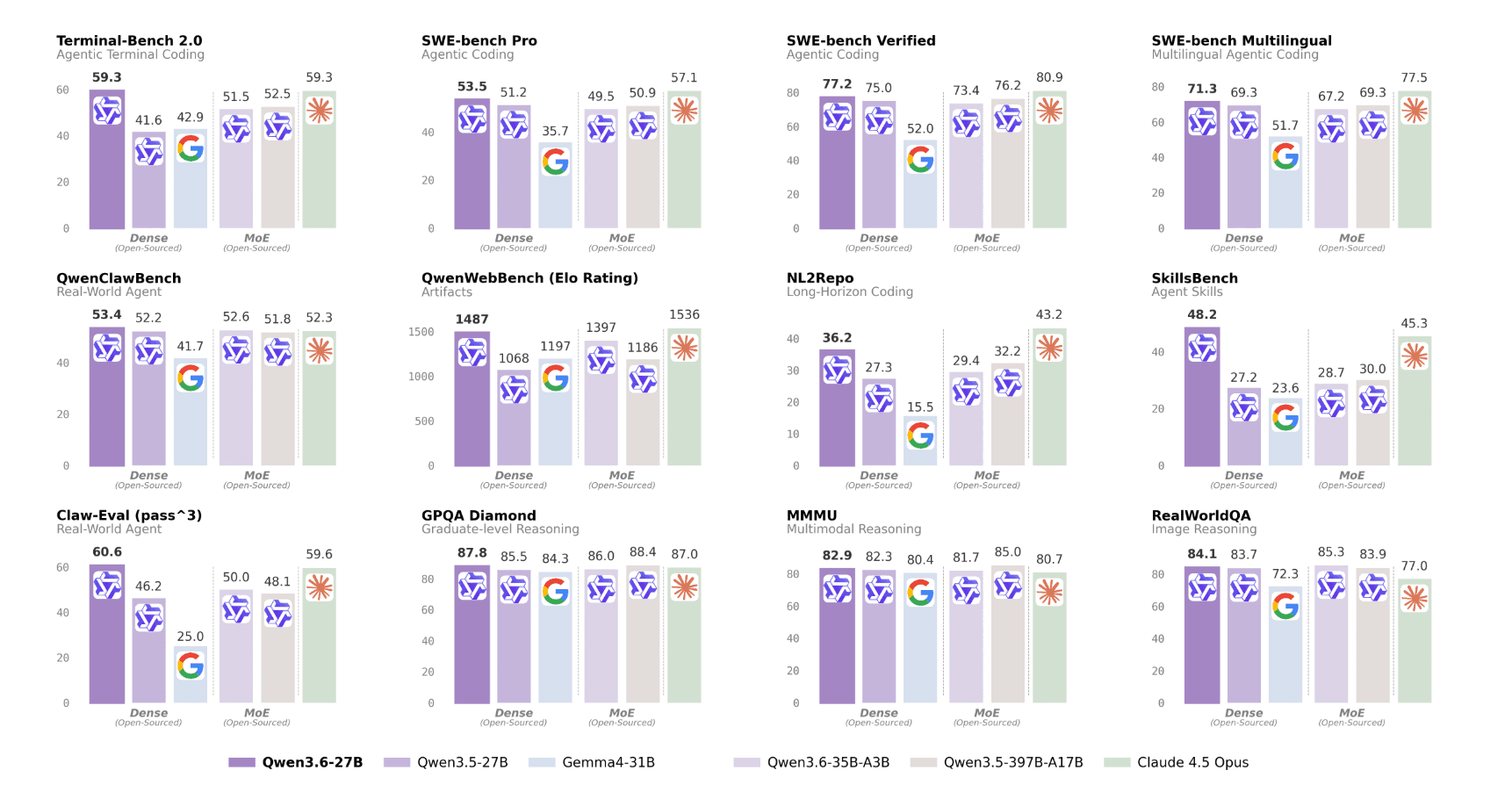
Qwen3.6-27B Review: Dense Model Outperforms 397B MoE

ChatGPT Workspace Agents: Custom AI Bots for Teams
You Might Like These Latest News
All AI NewsStay informed with the latest AI news, breakthroughs, trends, and updates shaping the future of artificial intelligence.
AI Data Centers Face Growing Crisis
May 10, 2026
SpaceX Plans $55B AI Chip Plant in Texas
May 8, 2026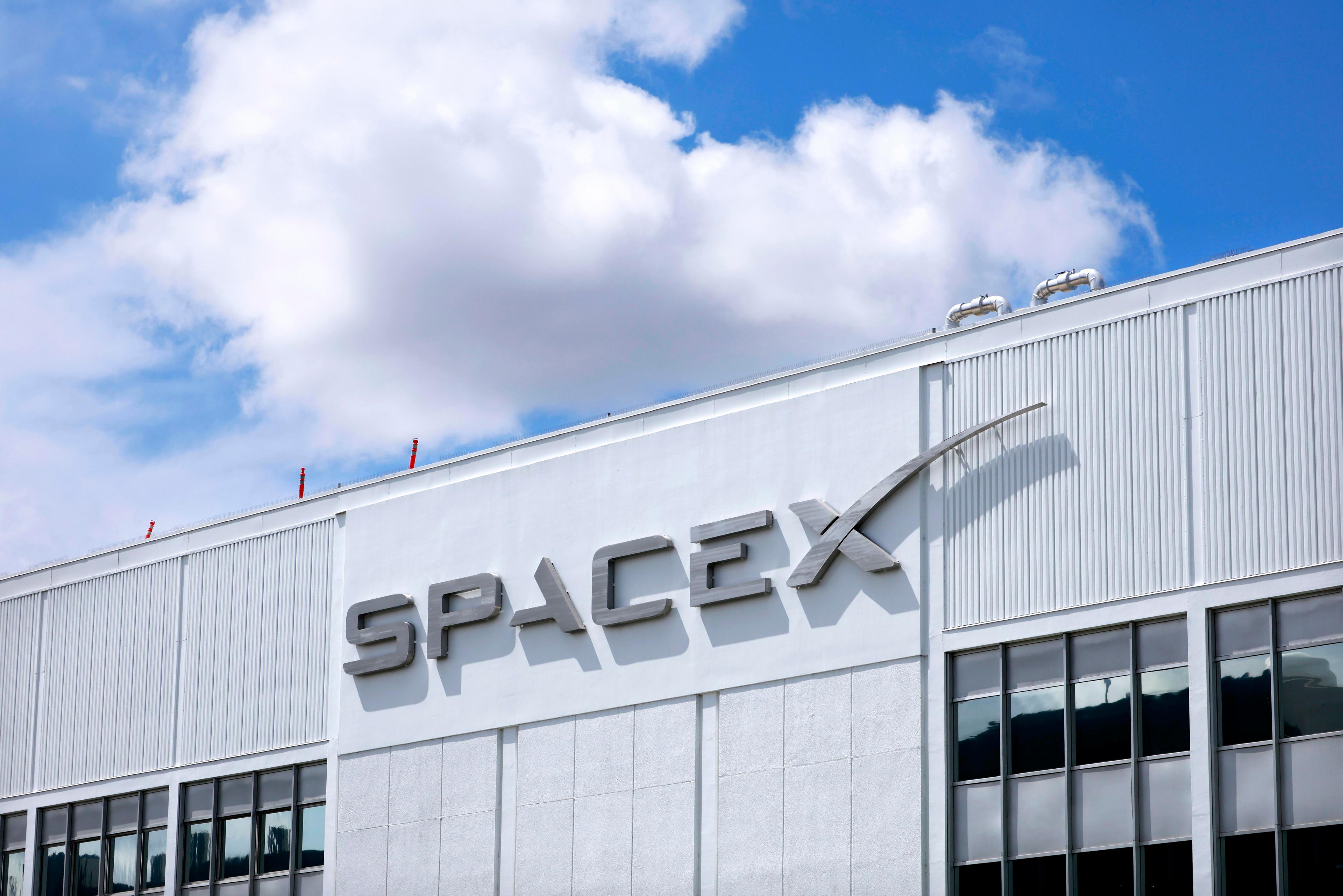
Voi Founders Launch AI Startup Pit With $16M Seed
May 8, 2026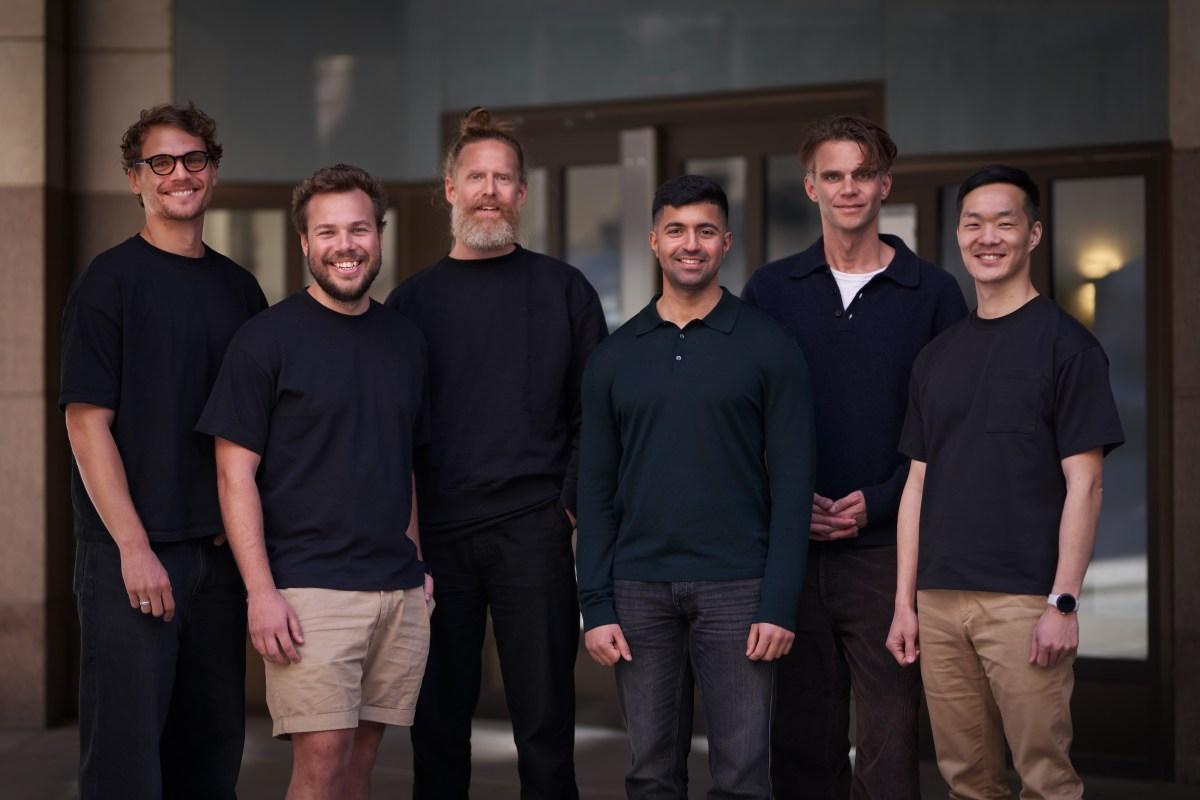
US Energy Secretary and NVIDIA Discuss AI-Powered Energy Future
May 8, 2026
Anthropic Finance Agents Disrupt Wall Street Jobs
May 7, 2026
Snap Ends $400M Perplexity AI Search Deal
May 7, 2026
Microsoft Copilot Hits 20M Paid Users
May 6, 2026
Runway Eyes World Models Beyond AI Video
May 6, 2026
Microsoft to Exploit New OpenAI Deal
May 6, 2026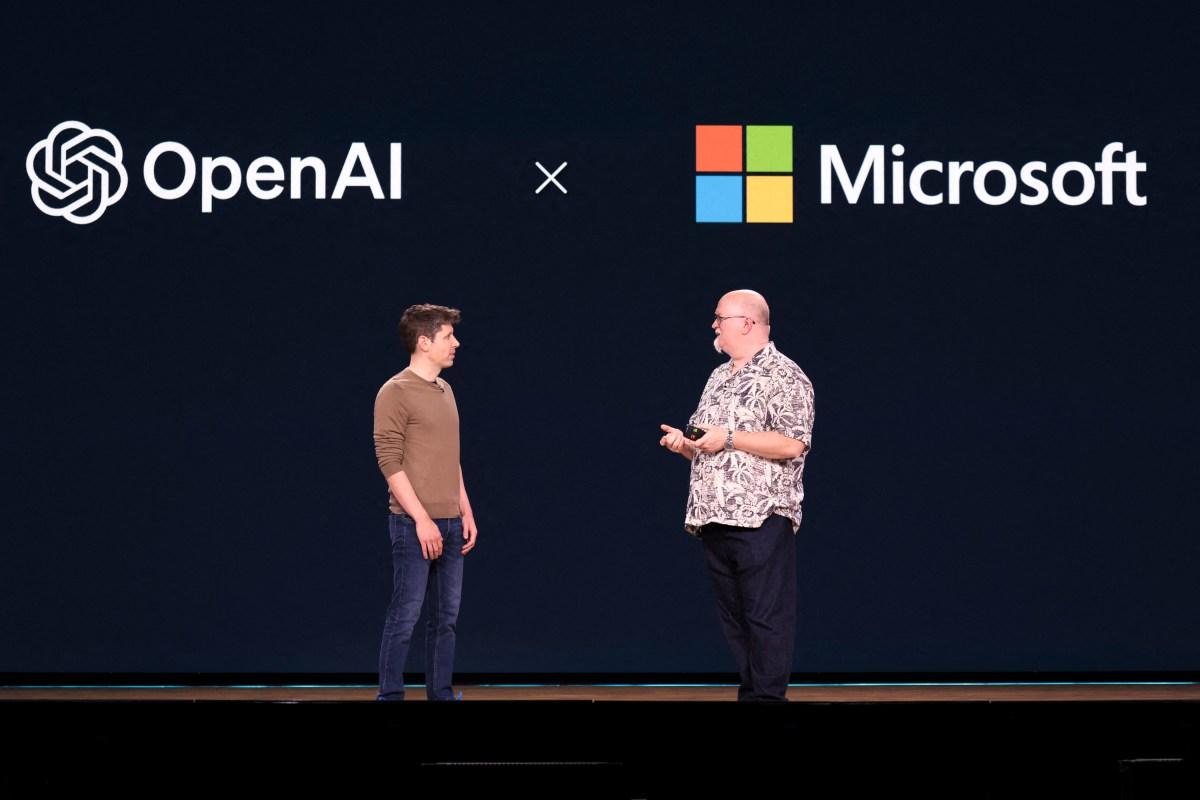

Discover the top AI tools handpicked daily by our editors to help you stay ahead with the latest and most innovative solutions.