Join Our Community










Get the earliest access to hand-picked content weekly for free.
Spam-free guaranteed! Only insights.
Join Our Community
Get the earliest access to hand-picked content weekly for free.
Spam-free guaranteed! Only insights.

🎯 Quick Impact Summary
Google's TurboQuant represents a significant breakthrough in AI memory optimization, promising to compress AI working memory by up to 6x without sacrificing performance. This algorithm addresses one of the most pressing challenges in AI deployment: reducing the computational overhead required to run sophisticated models. While still in laboratory stages, TurboQuant could fundamentally change how AI systems operate on edge devices and resource-limited environments.
Google's TurboQuant introduces a novel approach to AI memory compression that tackles the growing challenge of deploying large language models efficiently. This algorithm represents a leap forward in quantization technology, enabling AI systems to operate with dramatically reduced memory footprints.
TurboQuant operates through sophisticated algorithmic techniques that fundamentally reimagine how AI models store and process information. The technology builds on quantization principles while introducing novel compression mechanisms.
What Each Feature Actually Means:
Before
Deploying large AI models required substantial memory resources, limiting deployment to high-end servers and cloud infrastructure. Organizations faced significant hardware costs and couldn't efficiently run multiple models simultaneously on standard devices. Edge deployment remained impractical for sophisticated AI systems.
After
TurboQuant enables the same AI models to run on resource-constrained devices with 6x less memory, dramatically reducing infrastructure costs. Multiple models can now coexist on single devices, and edge deployment becomes practical for real-time applications. Organizations gain flexibility in choosing deployment hardware without sacrificing model capability.
📈 Expected Impact: Organizations could reduce AI infrastructure costs by 50-70% while enabling deployment scenarios previously considered impossible.
For Beginners:
For Power Users:
FAQ
AI Spotlights
Unleashing Today's trailblazer, this week's game-changers, and this month's legends in AI. Dive in and discover tools that matter.
OpenAI Codex Chrome Extension Review

Perplexity Personal Computer: AI Agents for Mac
OpenAI Voice Intelligence API: New Features Review

ChatGPT Trusted Contact: New Self-Harm Safeguard
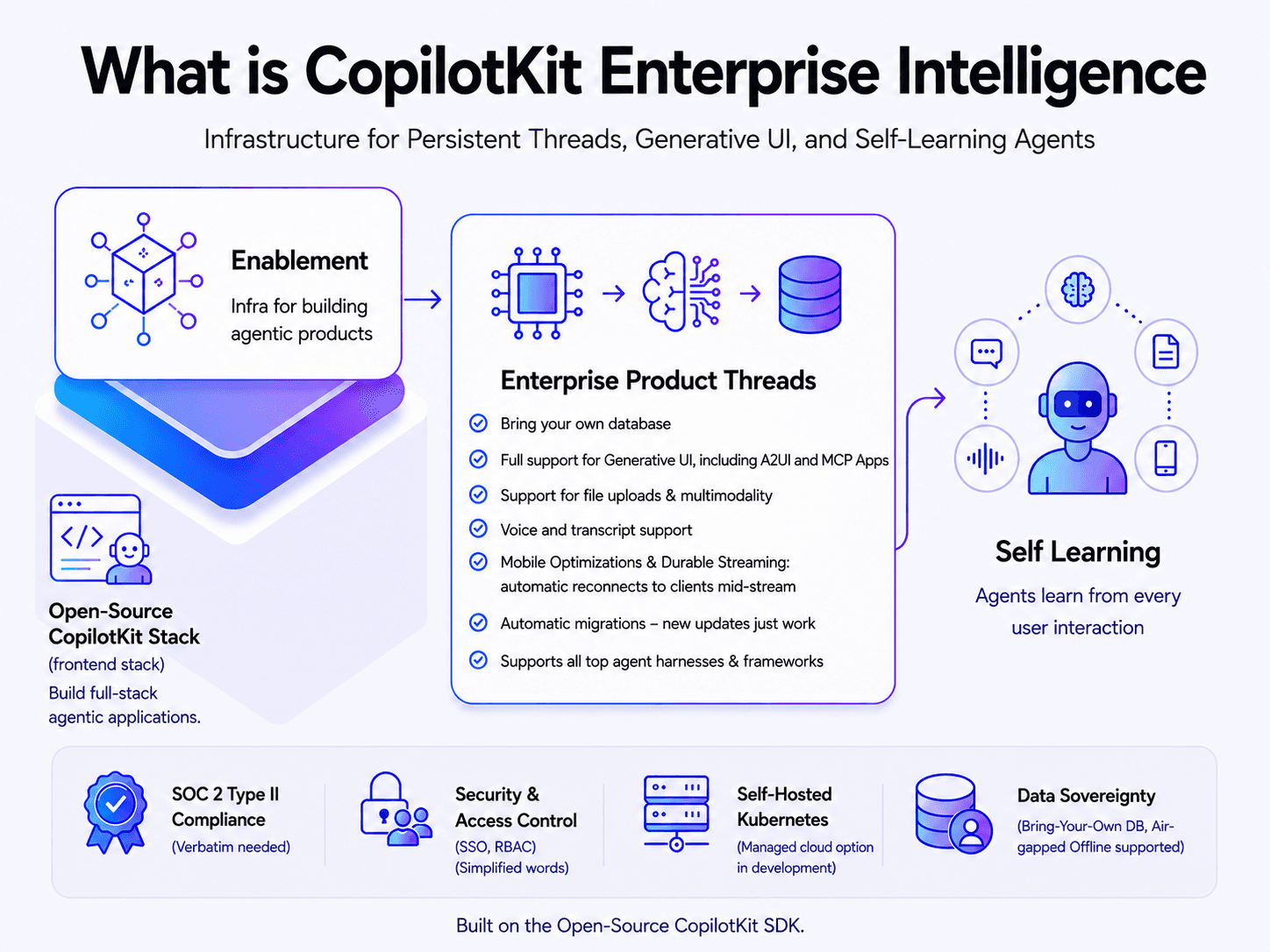
CopilotKit Intelligence: Enterprise AI Memory Platform
OpenAI Training Spec: GPU Performance Breakthrough
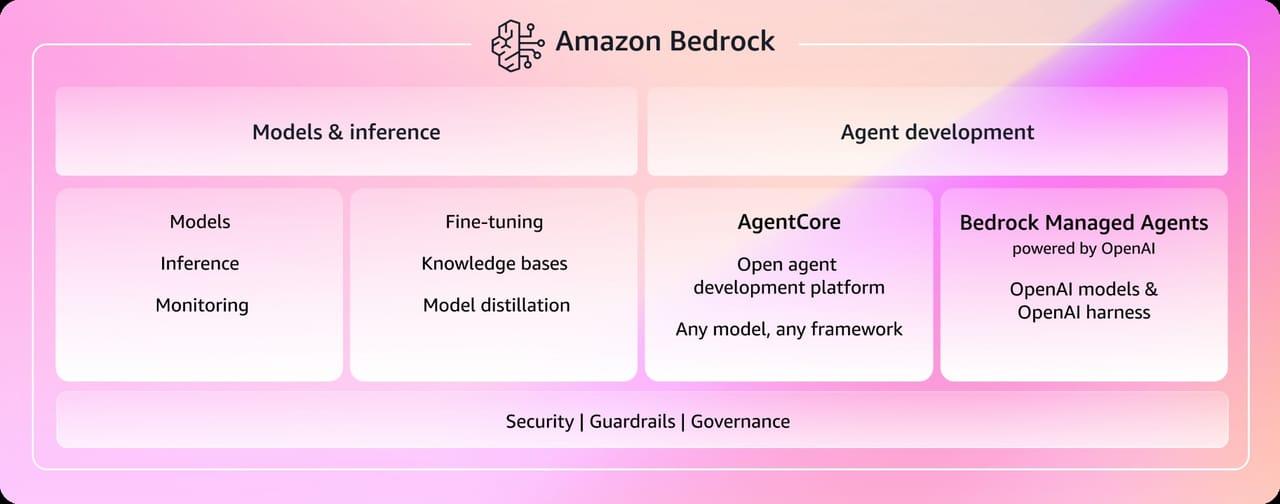
AWS Managed Agents Review: OpenAI Partnership

Glean AI Search Review: Enterprise Search Redefined

ChatGPT Security Update: Advanced Protection Features
Mistral's Cloud Code Platform Review
Meta Autodata: AI Framework for Autonomous Data Scientists

Gemini API Webhooks: Real-Time AI Automation
Zyphra TSP: 2.6x Faster AI Training Review

SoundHound OASYS: Self-Learning AI Agent Platform

Google Home Gemini 3.1: Smarter AI Assistant
Grok Voice Think Fast 1.0 Review: AI Voice
Vision Banana Review: Google's Instruction-Tuned Image Generator
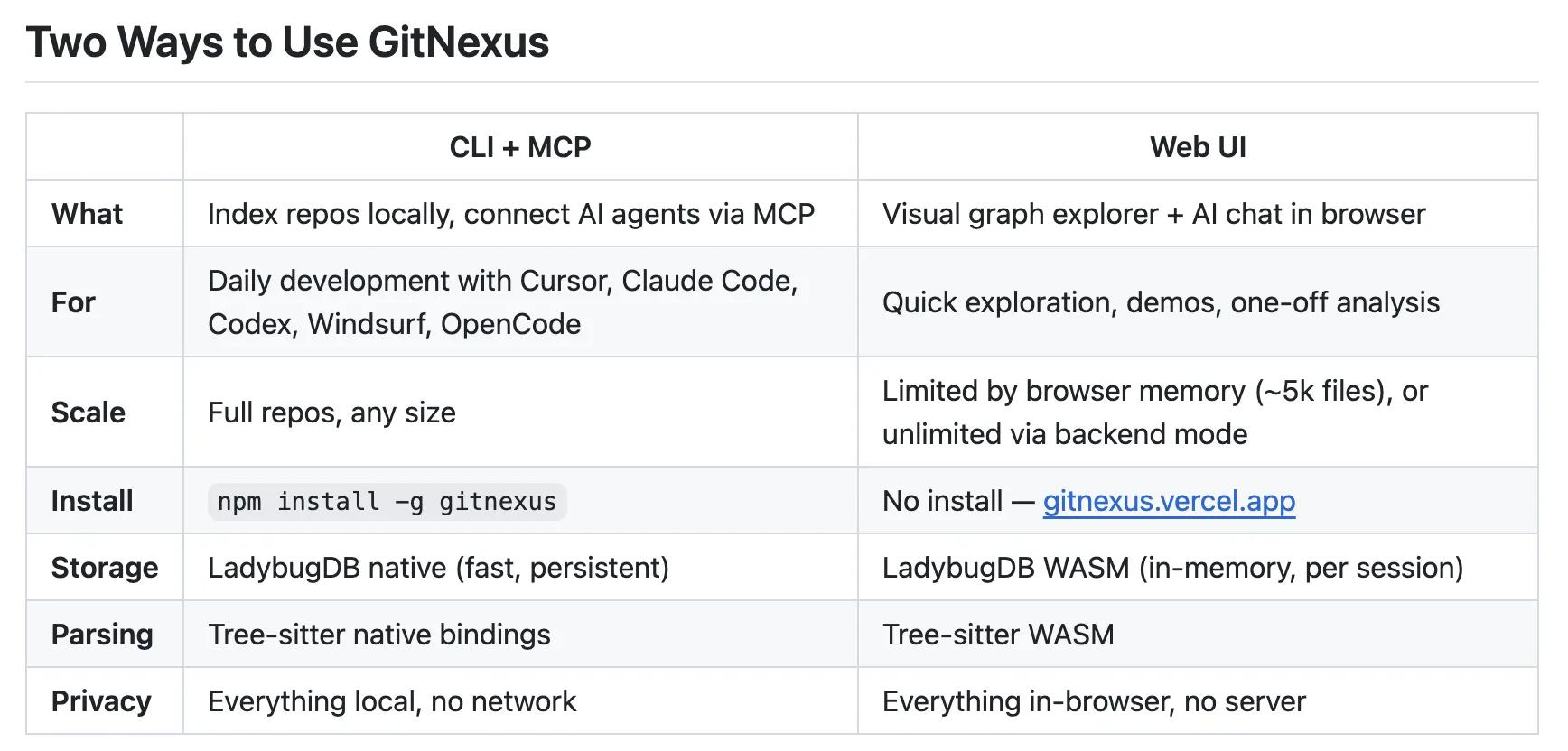
GitNexus Review: Open-Source Code Knowledge Graph
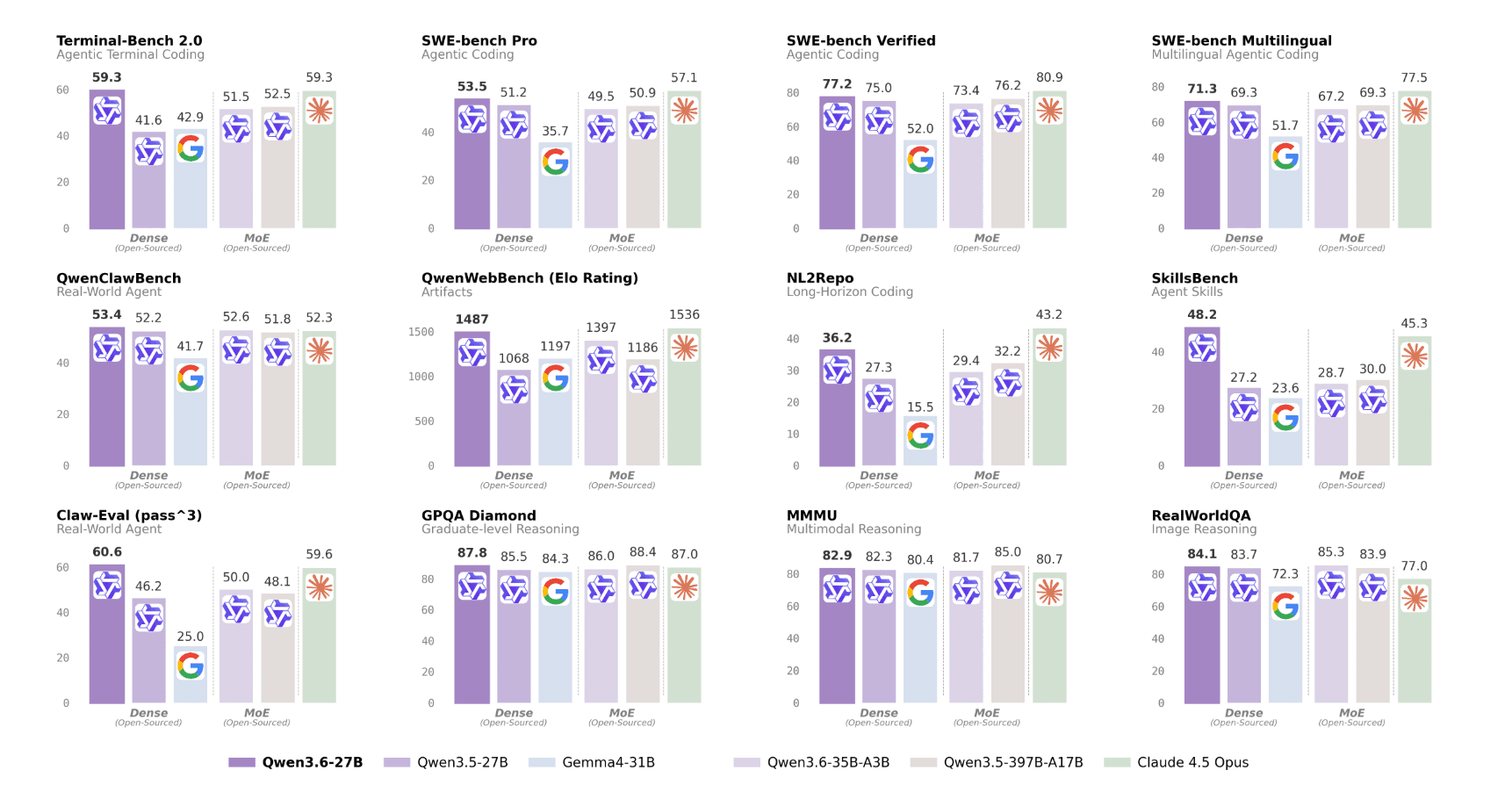
Qwen3.6-27B Review: Dense Model Outperforms 397B MoE

ChatGPT Workspace Agents: Custom AI Bots for Teams
You Might Like These Latest News
All AI NewsStay informed with the latest AI news, breakthroughs, trends, and updates shaping the future of artificial intelligence.
AI Data Centers Face Growing Crisis
May 10, 2026
SpaceX Plans $55B AI Chip Plant in Texas
May 8, 2026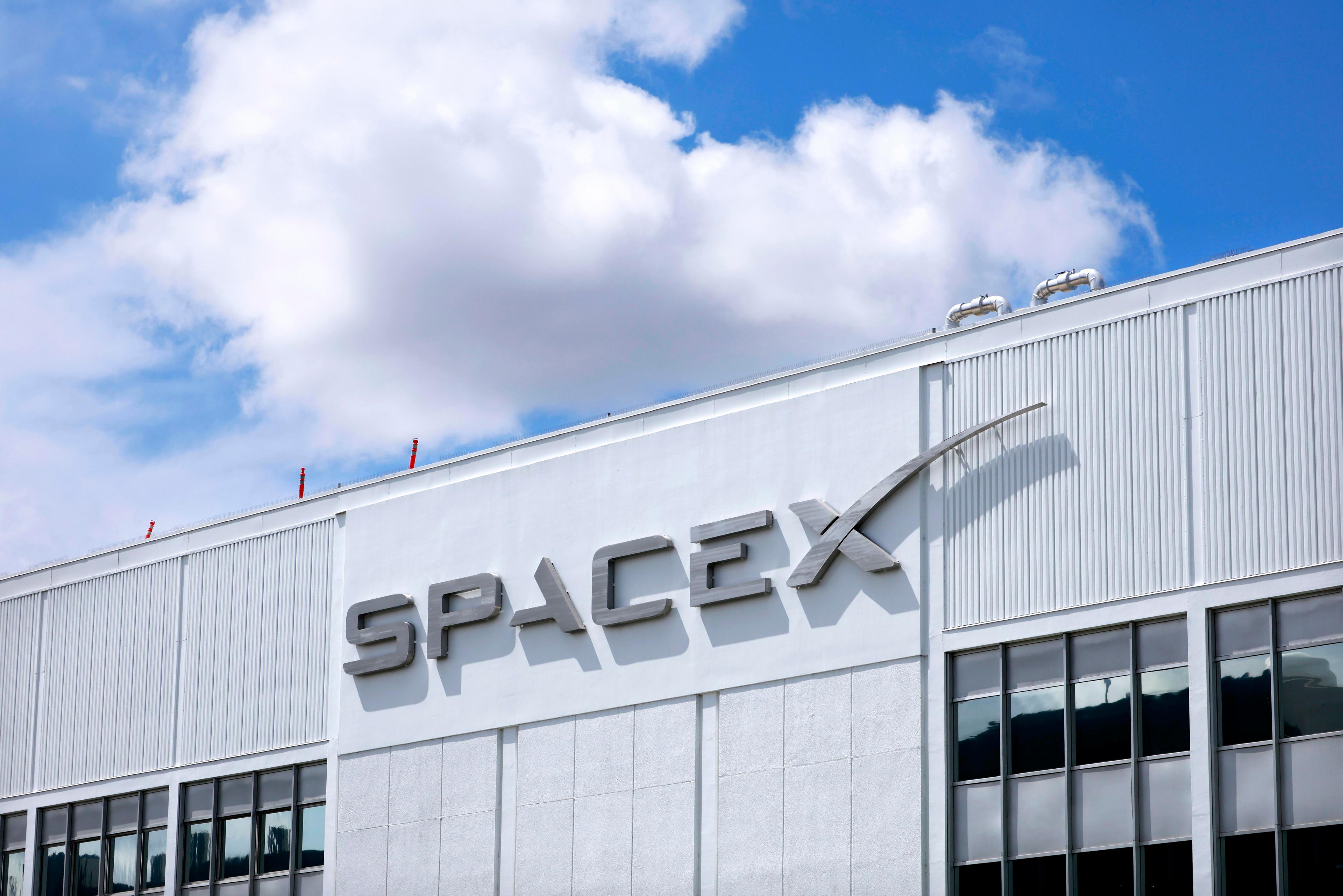
Voi Founders Launch AI Startup Pit With $16M Seed
May 8, 2026
US Energy Secretary and NVIDIA Discuss AI-Powered Energy Future
May 8, 2026
Anthropic Finance Agents Disrupt Wall Street Jobs
May 7, 2026
Snap Ends $400M Perplexity AI Search Deal
May 7, 2026
Microsoft Copilot Hits 20M Paid Users
May 6, 2026
Runway Eyes World Models Beyond AI Video
May 6, 2026
Microsoft to Exploit New OpenAI Deal
May 6, 2026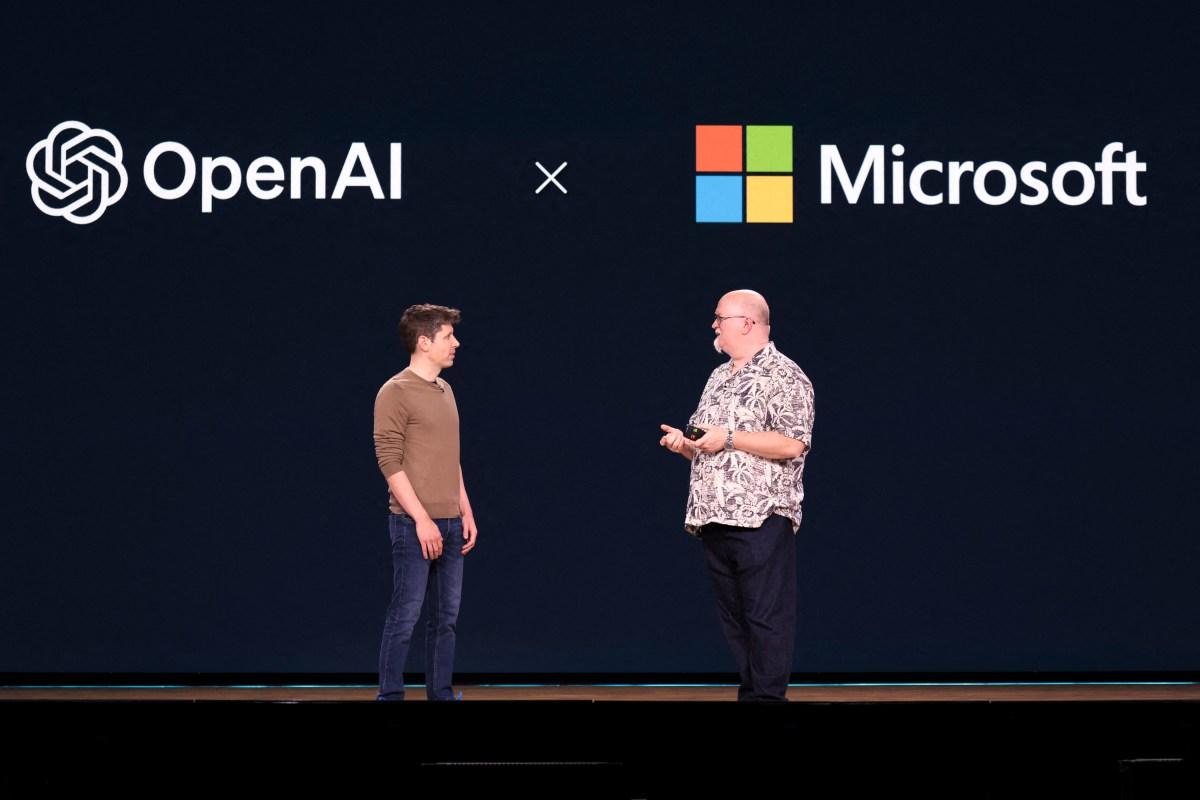

Discover the top AI tools handpicked daily by our editors to help you stay ahead with the latest and most innovative solutions.