Join Our Community










Get the earliest access to hand-picked content weekly for free.
Spam-free guaranteed! Only insights.
Join Our Community
Get the earliest access to hand-picked content weekly for free.
Spam-free guaranteed! Only insights.
Google DeepMind has unveiled Antigravity, a groundbreaking AI system poised to revolutionize the field of physics simulation. This isn’t just another incremental improvement; it’s a fundamentally new approach to simulating the physical world, offering speed and accuracy previously unattainable. Antigravity leverages the power of neural networks to learn the underlying laws of physics, allowing for incredibly realistic and efficient simulations. This technology has the potential to impact a wide range of industries, from robotics and engineering to scientific research and even entertainment. The core innovation lies in its ability to predict how objects will interact with each other, bypassing the computationally intensive methods traditionally used in physics engines.
Traditional physics simulations rely on solving complex equations that describe the behavior of objects. This process can be incredibly time-consuming, especially for simulations involving many objects or intricate interactions. Antigravity takes a different tack. Instead of explicitly solving these equations, it *learns* them. The system is trained on vast datasets of simulated physical interactions, allowing it to build an internal model of how the world works.
This model is encoded within a neural network, which can then predict the outcome of new interactions with remarkable speed and accuracy. DeepMind researchers emphasize that Antigravity isn’t simply approximating the laws of physics; it’s learning a representation that captures the essential relationships between objects and forces. This allows it to generalize to scenarios it hasn’t explicitly been trained on, a crucial capability for real-world applications. The system achieves this by predicting the next state of a simulation given the current state, effectively learning a “dynamics model.” This contrasts with methods that focus on rendering realistic visuals, as Antigravity prioritizes accurate physical behavior. The implications are huge – imagine designing robots that can navigate complex environments without needing to painstakingly program every possible interaction, or creating virtual prototypes that behave exactly like their real-world counterparts.
The potential applications of Antigravity are vast and span numerous disciplines. In robotics, the system could enable the development of more agile and adaptable robots capable of operating in unpredictable environments. Instead of relying on pre-programmed movements, robots powered by Antigravity could learn to react to their surroundings in real-time, making them more robust and versatile.
For engineering, Antigravity offers a powerful tool for prototyping and testing designs. Engineers could simulate the performance of new products under a wide range of conditions, identifying potential flaws and optimizing designs before committing to physical production. This could significantly reduce development costs and accelerate innovation. Furthermore, the scientific community stands to benefit greatly. Researchers can use Antigravity to model complex physical phenomena, such as fluid dynamics or material behavior, gaining new insights into the workings of the universe. The ability to simulate these systems accurately and efficiently could lead to breakthroughs in fields like climate science, astrophysics, and materials science. Beyond these core areas, Antigravity could also revolutionize areas like game development, creating more immersive and realistic gaming experiences. The system’s speed and accuracy could allow for simulations of unprecedented scale and complexity, pushing the boundaries of what’s possible in virtual worlds. You can learn more about the broader impact of AI on scientific discovery at sources like.
Google’s Antigravity represents a significant leap forward in AI-powered physics simulation. By learning the underlying laws of physics, it offers a level of speed and accuracy that was previously unattainable. This technology has the potential to transform a wide range of industries, from robotics and engineering to scientific research and entertainment. As Antigravity continues to develop, we can expect to see even more innovative applications emerge, further blurring the lines between the physical and digital worlds. The future of simulation is here, and it’s powered by artificial intelligence.
FAQ
AI Spotlights
Unleashing Today's trailblazer, this week's game-changers, and this month's legends in AI. Dive in and discover tools that matter.
OpenAI Codex Chrome Extension Review

Perplexity Personal Computer: AI Agents for Mac

OpenAI Voice Intelligence API: New Features Review

ChatGPT Trusted Contact: New Self-Harm Safeguard
CopilotKit Intelligence: Enterprise AI Memory Platform
OpenAI Training Spec: GPU Performance Breakthrough
AWS Managed Agents Review: OpenAI Partnership

Glean AI Search Review: Enterprise Search Redefined

ChatGPT Security Update: Advanced Protection Features
Mistral's Cloud Code Platform Review
Meta Autodata: AI Framework for Autonomous Data Scientists

Gemini API Webhooks: Real-Time AI Automation
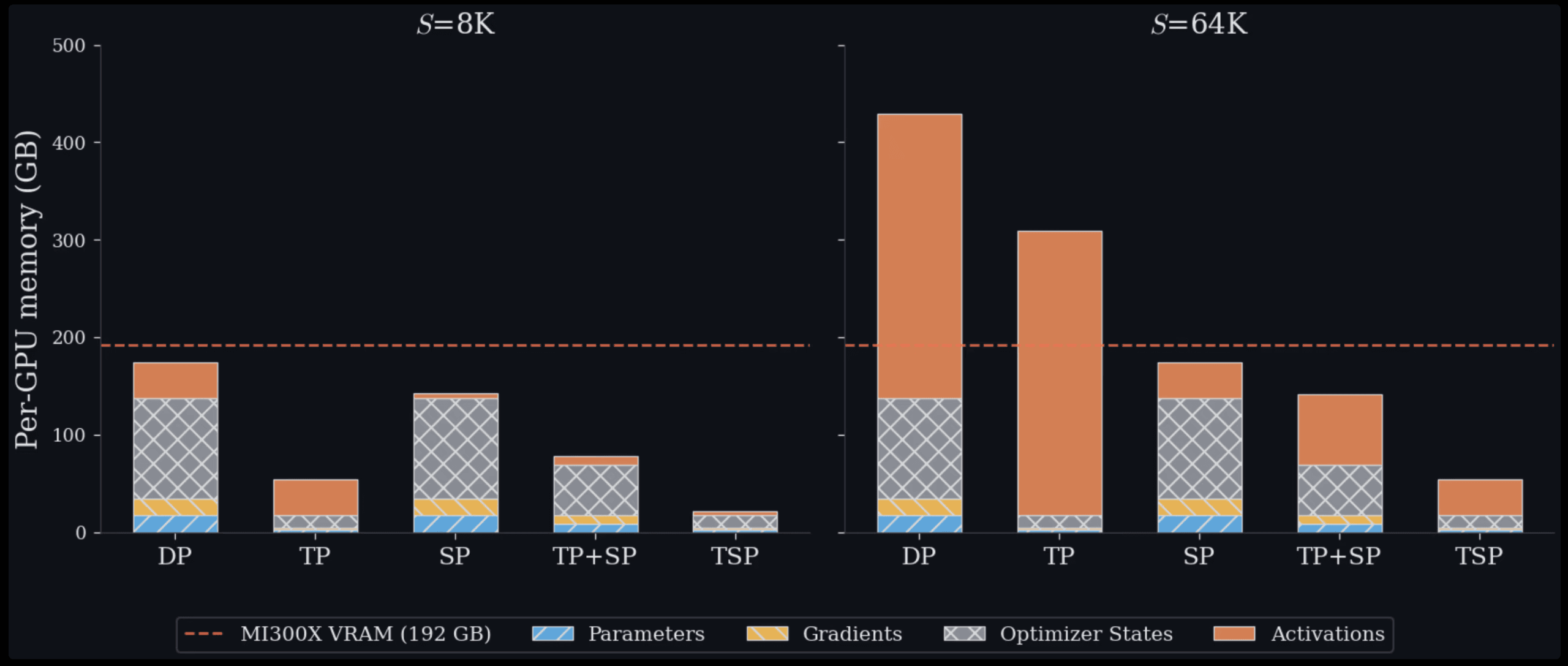
Zyphra TSP: 2.6x Faster AI Training Review
SoundHound OASYS: Self-Learning AI Agent Platform

Google Home Gemini 3.1: Smarter AI Assistant
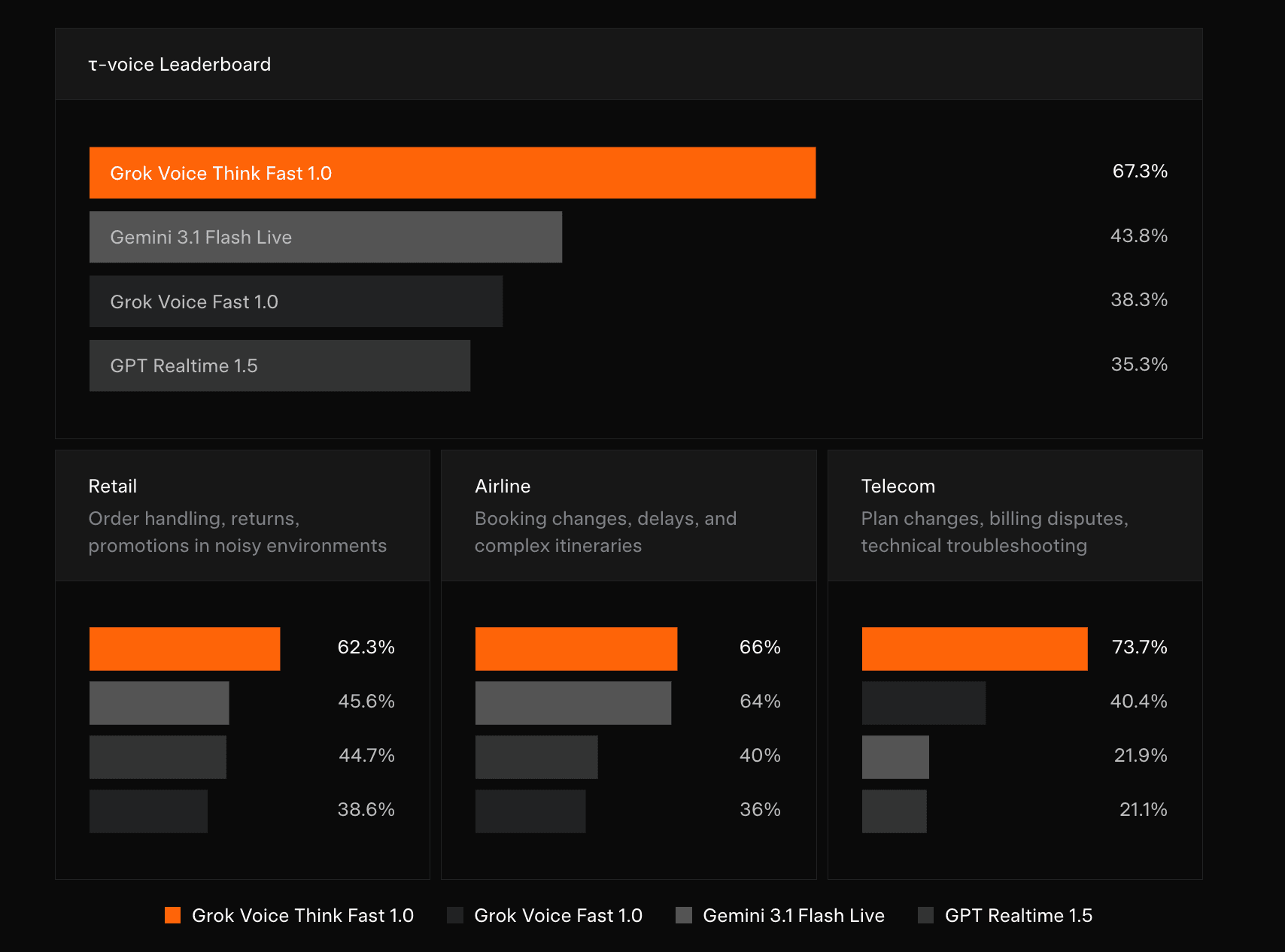
Grok Voice Think Fast 1.0 Review: AI Voice
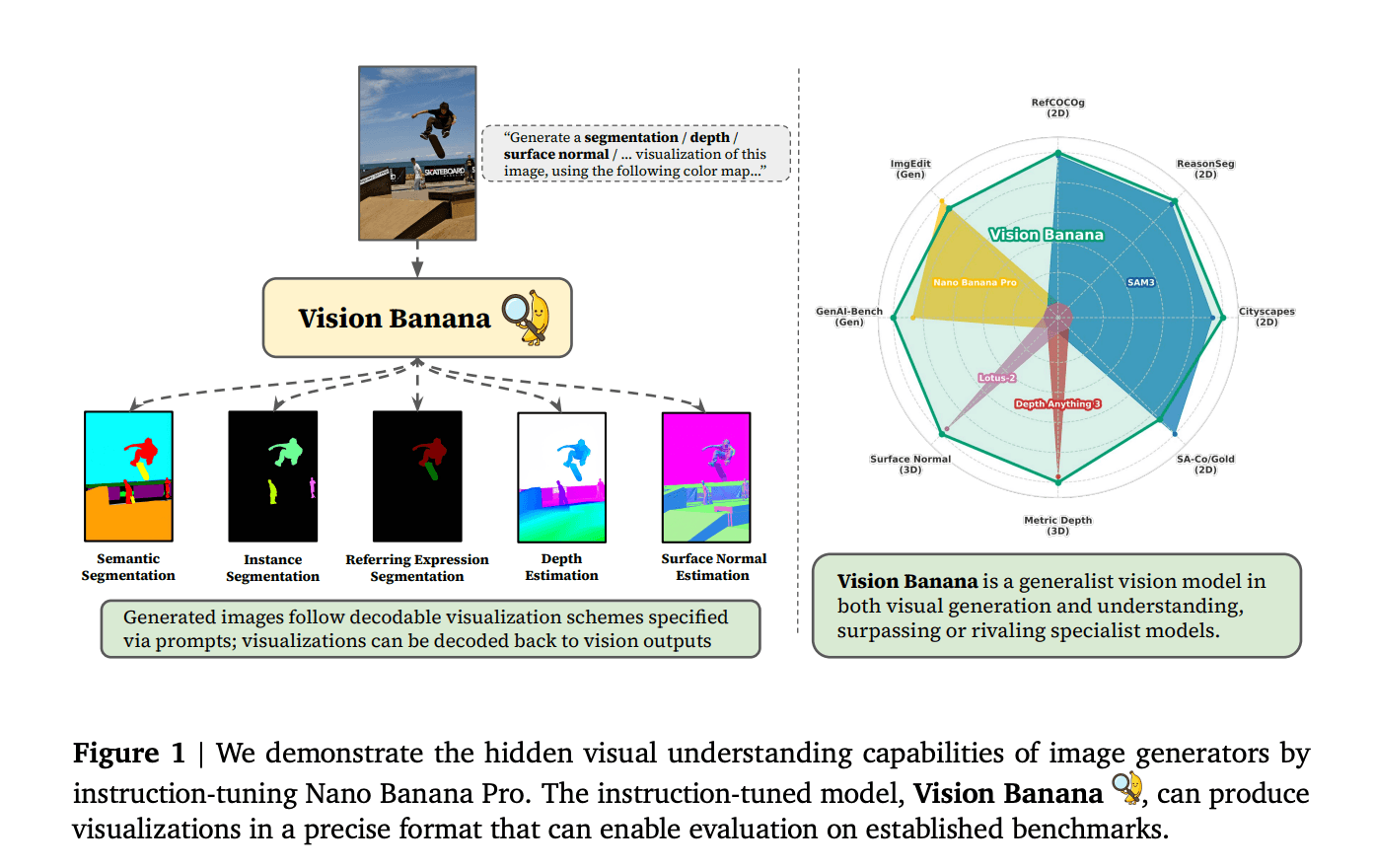
Vision Banana Review: Google's Instruction-Tuned Image Generator
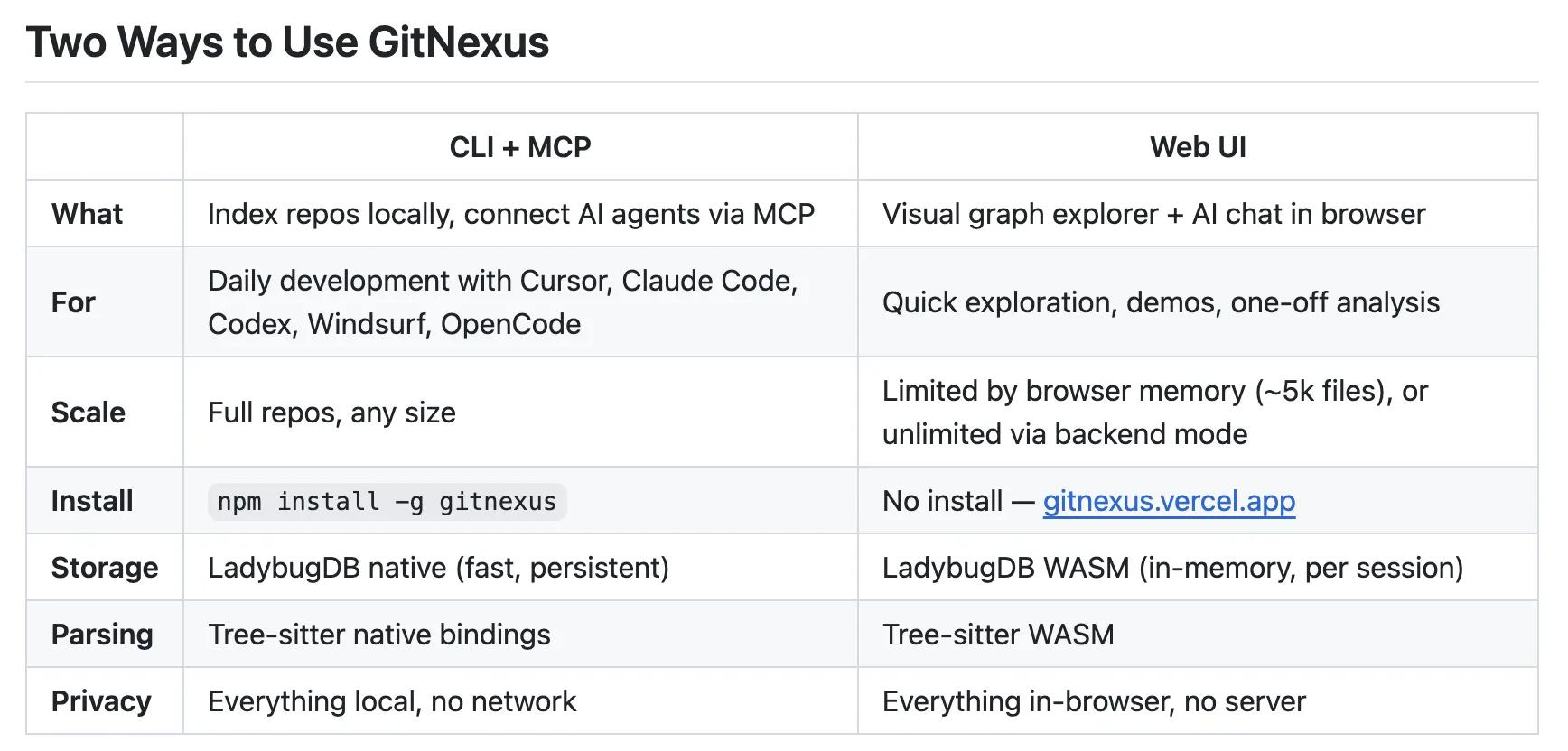
GitNexus Review: Open-Source Code Knowledge Graph
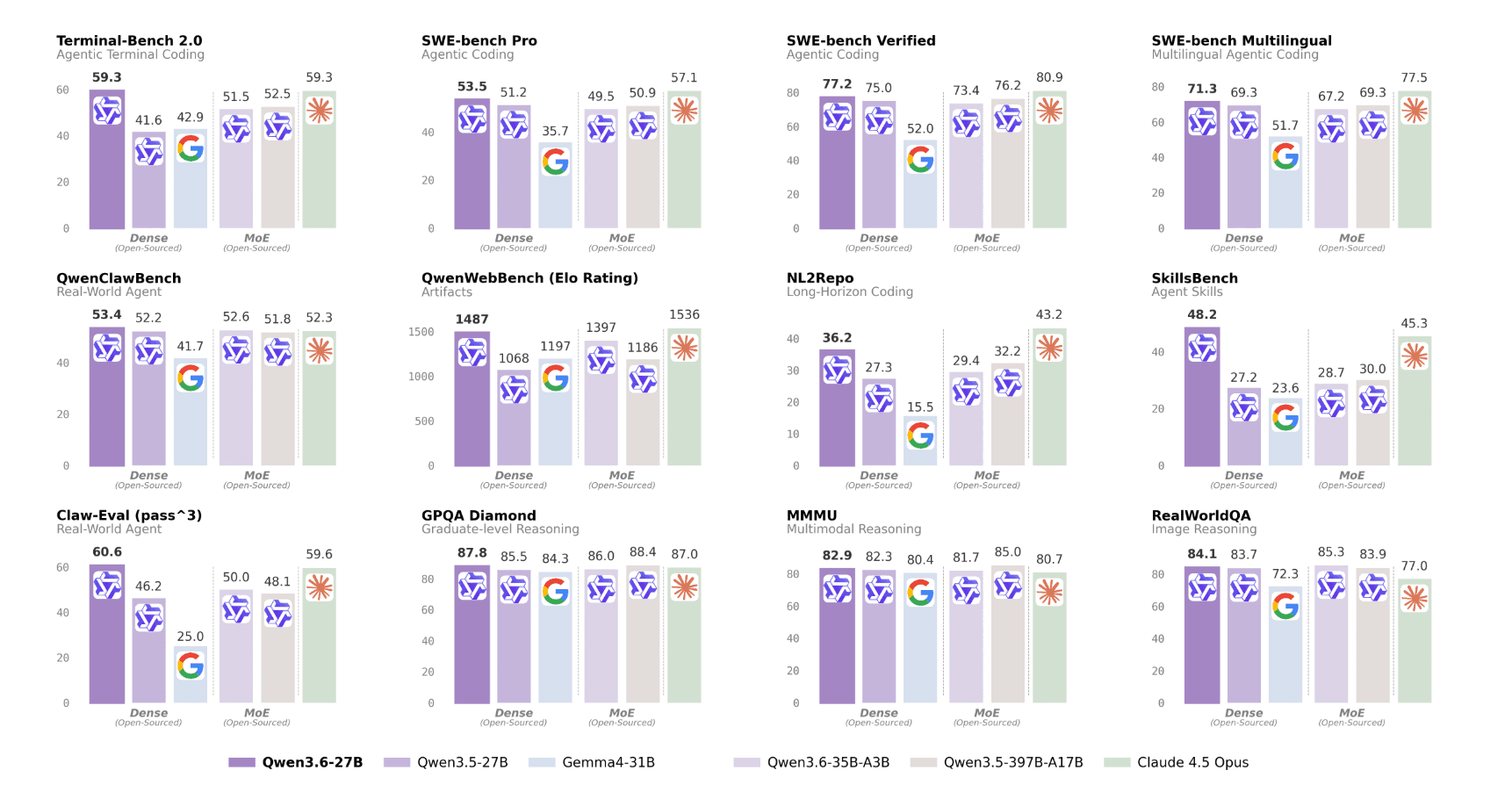
Qwen3.6-27B Review: Dense Model Outperforms 397B MoE

ChatGPT Workspace Agents: Custom AI Bots for Teams
You Might Like These Latest News
All AI NewsStay informed with the latest AI news, breakthroughs, trends, and updates shaping the future of artificial intelligence.
AI Voice Assistants Transform Office Work Culture
May 11, 2026
Anthropic: Fictional AI Portrayals Shaped Claude's Behavior
May 11, 2026
AI Data Centers Face Growing Crisis
May 10, 2026
SpaceX Plans $55B AI Chip Plant in Texas
May 8, 2026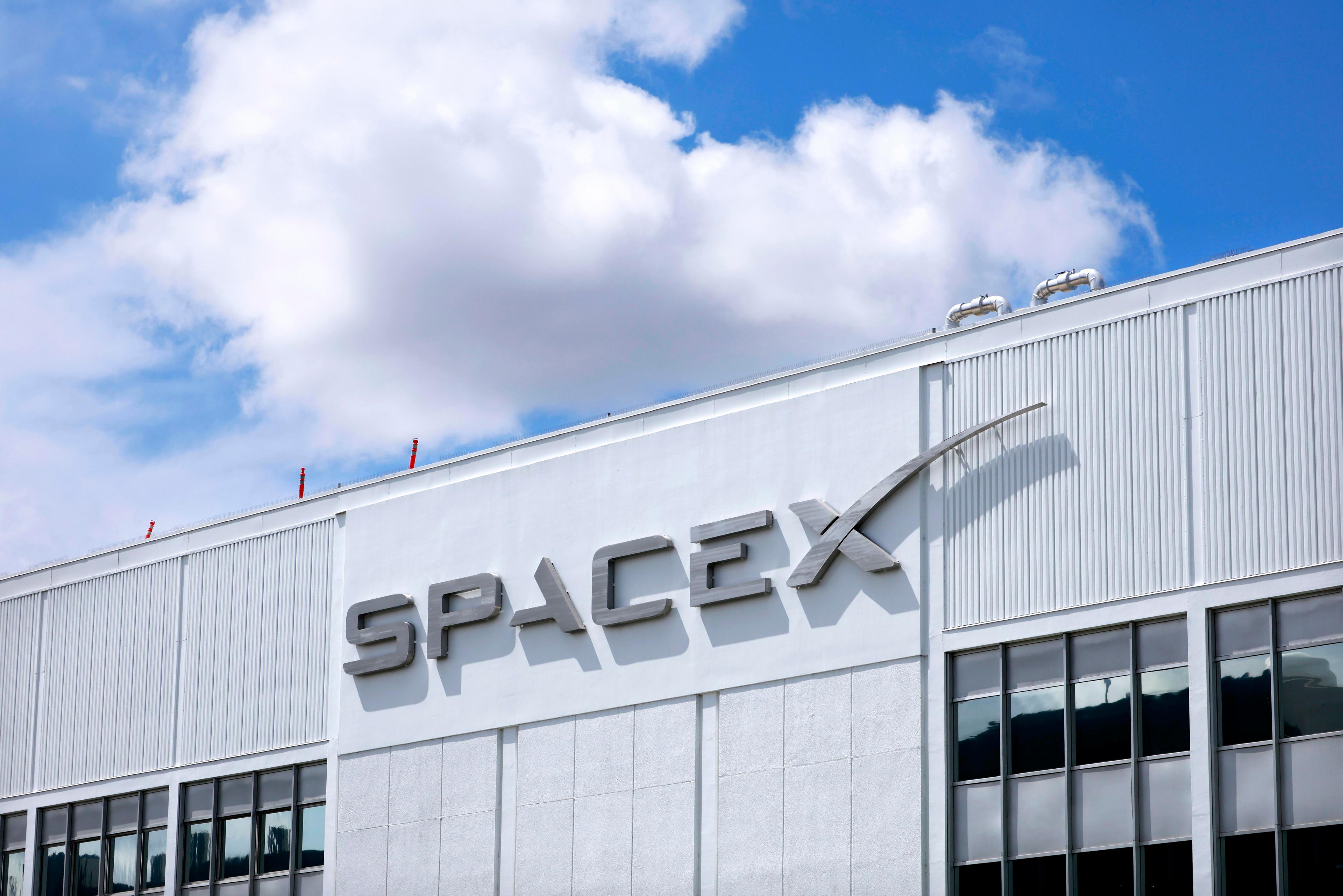
Voi Founders Launch AI Startup Pit With $16M Seed
May 8, 2026
US Energy Secretary and NVIDIA Discuss AI-Powered Energy Future
May 8, 2026
Anthropic Finance Agents Disrupt Wall Street Jobs
May 7, 2026
Snap Ends $400M Perplexity AI Search Deal
May 7, 2026
Microsoft Copilot Hits 20M Paid Users
May 6, 2026

Discover the top AI tools handpicked daily by our editors to help you stay ahead with the latest and most innovative solutions.