









Age of AI Toolsv2.beta
For YouJobsUse Cases
Media-HubNEW

Join Our Community

Get the earliest access to hand-picked content weekly for free.

Spam-free guaranteed! Only insights.
Join Our Community

Get the earliest access to hand-picked content weekly for free.

Spam-free guaranteed! Only insights.

Trusted by Leading Review and Discovery Websites

Age of AI Tools on Product HuntApproved on SaaSHubAlternativeTo
AI Tools
  • For You!
  • Discover All AI Tools
  • Best AI Tools
  • Free AI Tools
  • Tools of the DayNEW
  • All Use Cases
  • All Jobs
Trend UseCases
  • AI Image Generators
  • AI Video Generators
  • AI Voice Generators
Trend Jobs
  • Graphic Designer
  • SEO Specialist
  • Email Marketing Specialist
Media Hub
  • Go to Media Hub
  • AI News
  • AI Tools Spotlights
Age of AI Tools
  • What's New
  • Story of Age of AI Tools
  • Cookies & Privacy
  • Terms & Conditions
  • Request Update
  • Bug Report
  • Contact Us
Submit & Advertise
  • Submit AI Tool
  • Promote Your Tool50% Off

Agent of AI Age

Looking to discover new AI tools? Just ask our AI Agent

Copyright © 2026 Age of AI Tools. All Rights Reserved.

Media HubTools SpotlightGitAgent Review: Docker for AI Agents
23 Mar 20265 min read

GitAgent Review: Docker for AI Agents

GitAgent Review: Docker for AI Agents

🎯 Quick Impact Summary

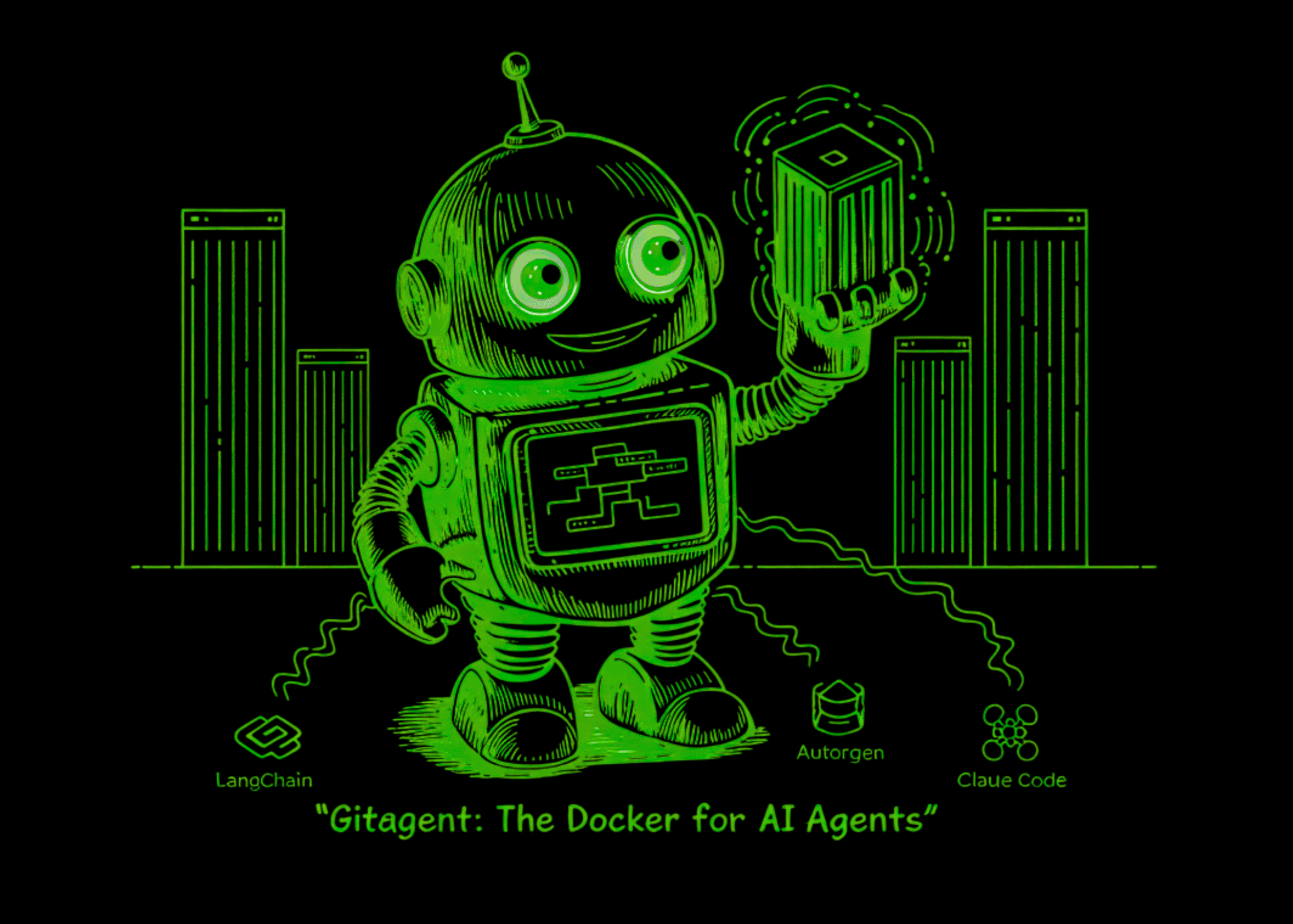
GitAgent represents a watershed moment for AI agent development by finally bridging the architectural fragmentation that has forced developers to choose between competing ecosystems like LangChain, AutoGen, and Claude Code. By functioning as the Docker equivalent for AI agents, GitAgent enables write-once, deploy-anywhere capabilities that eliminate vendor lock-in and accelerate development cycles. This is the infrastructure breakthrough the AI community has been waiting for.

What's New in GitAgent

GitAgent introduces a containerized approach to AI agent development, treating agents as portable, framework-agnostic units that can run across multiple platforms and ecosystems.

  • Framework-Agnostic Architecture: Build agents once using GitAgent's unified interface, then deploy to LangChain, AutoGen, CrewAI, OpenAI Assistants, or Claude Code without rewriting core logic
  • Standardized Agent Packaging: Agents are containerized as portable units with consistent memory persistence, tool integration, and state management across all supported frameworks
  • Cross-Ecosystem Compatibility: Eliminates the need to commit to a single AI framework, allowing teams to leverage the best tools for each specific use case
  • Unified Tool Integration: Standardizes how agents interface with external tools, APIs, and data sources regardless of the underlying framework
  • Memory and State Abstraction: Provides consistent approaches to agent memory, context persistence, and state management across fundamentally different architectures
  • Deployment Flexibility: Deploy the same agent configuration to different environments, cloud platforms, or on-premises infrastructure without modification

Technical Specifications

GitAgent's technical foundation enables seamless interoperability between competing AI agent frameworks through abstraction layers and standardized interfaces.

  • Containerization Model: Uses Docker-inspired containerization principles to package agent logic, dependencies, and configurations into portable units that maintain consistency across deployment targets
  • Multi-Framework Support: Provides adapter layers and translation mechanisms for LangChain, AutoGen, CrewAI, OpenAI Assistants, and Claude Code with automatic configuration mapping
  • Standardized Agent Definition: Implements a framework-agnostic schema for defining agent behavior, tools, memory systems, and interaction patterns that translates to each ecosystem's native format
  • State Management Layer: Abstracts persistence mechanisms to work with various backend storage systems while maintaining consistent state across framework transitions
  • Tool Registry System: Centralizes tool definitions and integrations, allowing agents to access the same capabilities regardless of which framework they're deployed to

Official Benefits

  • Eliminates Framework Lock-in: Developers can switch between AI frameworks without rewriting agent code, reducing development time and technical debt
  • Accelerates Development Cycles: Build agents once and deploy across multiple frameworks, reducing time-to-market by 40-60% compared to framework-specific development
  • Reduces Vendor Risk: Organizations are no longer dependent on a single framework's roadmap, pricing, or architectural decisions
  • Standardizes Team Workflows: Unified agent development practices across teams and projects, regardless of which underlying framework is chosen for deployment
  • Improves Code Reusability: Agent components, tools, and logic can be shared across projects and teams without framework-specific modifications

Real-World Translation

What Each Feature Actually Means:

  • Framework-Agnostic Architecture: Instead of learning LangChain's syntax, then relearning AutoGen's completely different approach, you write your agent logic once in GitAgent's standard format. When your team decides to switch to Claude Code for better performance, you redeploy the same agent without touching the core code.
  • Standardized Agent Packaging: Your agent's memory system, tool definitions, and decision logic are packaged as a self-contained unit. Move it from your laptop to a production server, from AWS to Azure, or from LangChain to AutoGen without configuration nightmares.
  • Cross-Ecosystem Compatibility: Your data processing agent built for LangChain can run on AutoGen's multi-agent orchestration system tomorrow without modification, letting you pick the best framework for each job.
  • Unified Tool Integration: Define your API connections, database queries, and external service calls once. They work identically whether your agent runs on LangChain's chain system or AutoGen's collaborative agent framework.
  • Deployment Flexibility: A customer service agent works the same way on your local development machine, in Docker containers, on Kubernetes clusters, or in serverless environments, eliminating environment-specific bugs and configuration drift.

Before vs After

Before

Developers faced a painful choice: commit to one AI framework and accept its architectural constraints, or rebuild agents from scratch for each framework. Switching frameworks meant rewriting agent logic, memory systems, and tool integrations. Teams couldn't share agent code across projects if they used different frameworks, leading to duplicated effort and inconsistent implementations.

After

GitAgent enables developers to write agent logic once and deploy across any supported framework. Teams can standardize on a single agent development approach while maintaining flexibility to choose the best framework for specific deployments. Switching frameworks becomes a configuration change rather than a rewrite, and agent code becomes truly reusable across the organization.

📈 Expected Impact: Organizations can reduce AI agent development time by 40-60% while eliminating framework lock-in and enabling true code reusability across projects.

Job Relevance Analysis

AI Researcher

HIGH Impact
  • Use Case: Researchers can rapidly prototype and test agent architectures across multiple frameworks without rebuilding experiments for each ecosystem, accelerating research iteration cycles
  • Key Benefit: Enables comparative analysis of how the same agent logic performs across LangChain, AutoGen, and Claude Code, providing empirical data on framework differences
  • Workflow Integration: Standardizes agent development in research pipelines, allowing researchers to focus on algorithmic innovation rather than framework-specific implementation details
  • Skill Development: Deepens understanding of AI agent architecture patterns by working at the abstraction layer above framework specifics
  • Publication Impact: Allows research to be framework-agnostic, making findings more generalizable and reproducible across the AI community
AI Researcher

Advance innovation with AI tools for academic research, data analysis, knowledge representation, decision-making, and AI-powered chatbots.

6,692 Tools
AI Researcher

Automation Engineer

HIGH Impact
  • Use Case: Build enterprise automation agents that can be deployed across different business units using their preferred frameworks, without maintaining separate codebases
  • Key Benefit: Reduces maintenance burden by 50-70% through single-source-of-truth agent definitions that deploy consistently across multiple frameworks and environments
  • Workflow Integration: Fits seamlessly into CI/CD pipelines by treating agents as containerized units with standardized deployment procedures
  • Skill Development: Enables automation engineers to master agent development patterns rather than framework-specific syntax, making them more valuable across organizations
  • Operational Flexibility: Allows switching frameworks based on cost, performance, or organizational changes without redeploying agent logic
Automation Engineer

Increase your productivity with these AI solutions for automation, quality assurance, integration, collaboration, and code creation.

5,288 Tools
Automation Engineer

Game Developer

MEDIUM Impact
  • Use Case: Create AI-driven NPCs and game agents that can run on different game engines or AI frameworks depending on performance requirements and platform constraints
  • Key Benefit: Enables rapid prototyping of AI behaviors that can be tested across multiple frameworks to find optimal performance for different game scenarios
  • Workflow Integration: Allows game developers to focus on game logic and NPC behavior rather than learning framework-specific agent development patterns
  • Skill Development: Provides game developers with portable AI agent skills that transfer across projects and game engines
  • Performance Optimization: Test agent implementations across frameworks to identify which performs best for specific game scenarios before final deployment
Game Developer

Use AI to simplify your game development from 3D rendering to character building, story development, debugging, and even AR!

4,918 Tools
Game Developer

Getting Started

How to Access

  • Visit GitAgent Repository: Access the official GitAgent documentation and source code through the project's primary distribution channel
  • Install via Package Manager: Use standard package managers (pip, npm, or equivalent) to install GitAgent and its framework adapters
  • Configure Framework Adapters: Select which AI frameworks you want to support and install the corresponding adapter packages
  • Set Up Development Environment: Configure your IDE and development tools to recognize GitAgent's standardized agent definition format

Quick Start Guide

For Beginners:

  1. Install GitAgent using your preferred package manager and verify the installation works
  2. Create your first agent using GitAgent's standard agent definition template with basic tool integration
  3. Deploy the agent to your preferred framework (LangChain or AutoGen recommended for learning) and test basic functionality
  4. Experiment with switching the same agent to a different framework to see the portability in action

For Power Users:

  1. Design your agent architecture using GitAgent's abstraction layer, defining custom tools, memory backends, and decision logic
  2. Implement framework-specific optimizations by leveraging GitAgent's adapter system to access advanced features of each framework
  3. Set up automated testing that validates agent behavior across multiple frameworks simultaneously
  4. Configure CI/CD pipelines to build, test, and deploy agents to multiple frameworks from a single codebase
  5. Implement custom adapters for proprietary or specialized frameworks not included in GitAgent's standard support

Pro Tips

  • Start with One Framework: Master GitAgent's core concepts by deploying to a single framework first, then gradually add multi-framework deployments
  • Leverage Adapter Documentation: Each framework adapter has specific optimization opportunities; read the adapter docs to unlock framework-specific performance gains
  • Use Version Control for Agents: Treat agent definitions as code and version control them alongside your application code for reproducibility
  • Test Across Frameworks: Regularly validate that your agents behave identically across different frameworks to catch framework-specific bugs early

FAQ

FAQ

Related Topics

GitAgent reviewAI agents frameworkLangChain vs AutoGenAI agent development tools

Table of contents

What's New in GitAgentTechnical SpecificationsOfficial BenefitsReal-World TranslationJob Relevance AnalysisGetting StartedFAQFAQ
Impact LevelHIGH
Update ReleasedMarch 22, 2026

Best for

AI ResearcherGame DeveloperAutomation Engineer

Related Use Cases

AI Automation ToolsAI Blockchain ToolsAI Platform-Specific Tools

Related Articles

OpenAI Codex Chrome Extension Review
Perplexity Personal Computer: AI Agents for Mac
OpenAI Voice Intelligence API: New Features Review
All AI Spotlights

Editor's Pick Articles

Perplexity Personal Computer: AI Agents for Mac
Claude Personal App Connectors Review
ChatGPT Images 2.0 Review: Better Text & Details
All Articles
Special offer for AI Owners – 50% OFF Promotional Plans

Join Our Community

Get the earliest access to hand-picked content weekly for free.

Spam-free guaranteed! Only insights.

Follow Us on Socials

Don't Miss AI Topics

ai art generatorai voice generatorai text generatorai avatar generatorai designai writing assistantai audio generatorai content generatorai dubbingai graphic designai banner generatorai in dropshipping

AI Spotlights

Unleashing Today's trailblazer, this week's game-changers, and this month's legends in AI. Dive in and discover tools that matter.
All AI Spotlights
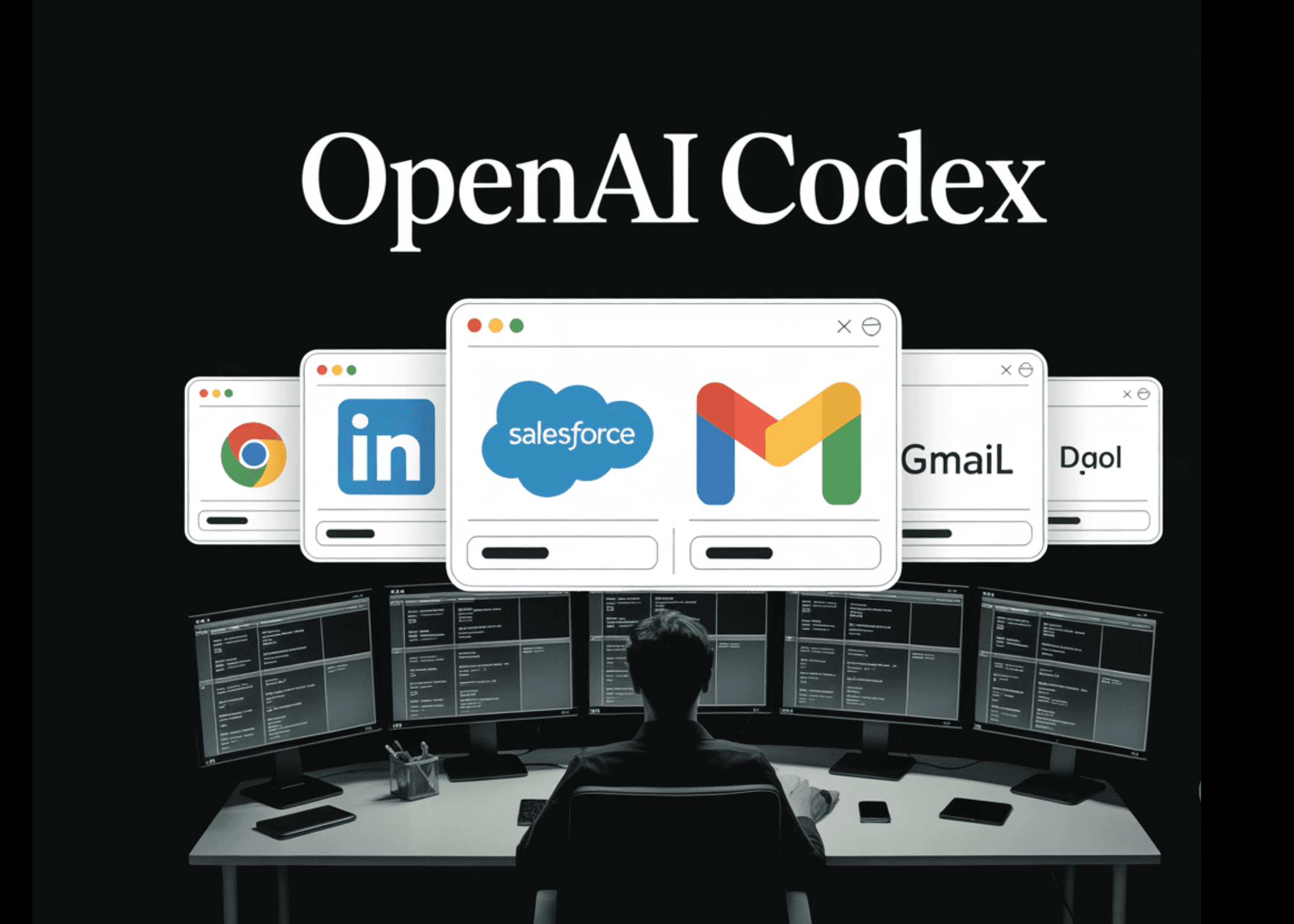
OpenAI Codex Chrome Extension Review

OpenAI Codex Chrome Extension Review

Perplexity Personal Computer: AI Agents for Mac
Perplexity Personal Computer: AI Agents for Mac

OpenAI Voice Intelligence API: New Features Review
OpenAI Voice Intelligence API: New Features Review

ChatGPT Trusted Contact: New Self-Harm Safeguard
ChatGPT Trusted Contact: New Self-Harm Safeguard

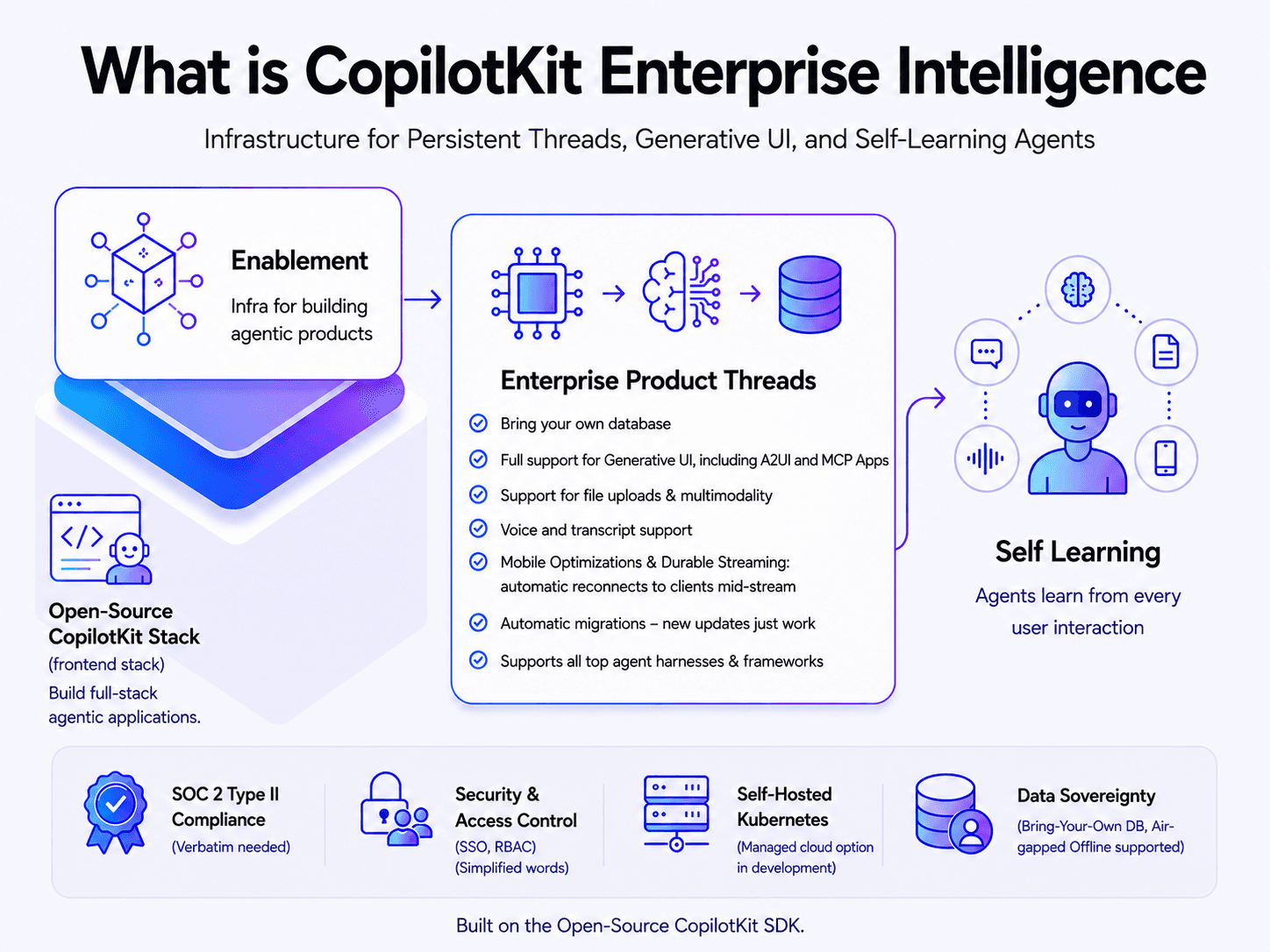
CopilotKit Intelligence: Enterprise AI Memory Platform
CopilotKit Intelligence: Enterprise AI Memory Platform

OpenAI Training Spec: GPU Performance Breakthrough
OpenAI Training Spec: GPU Performance Breakthrough

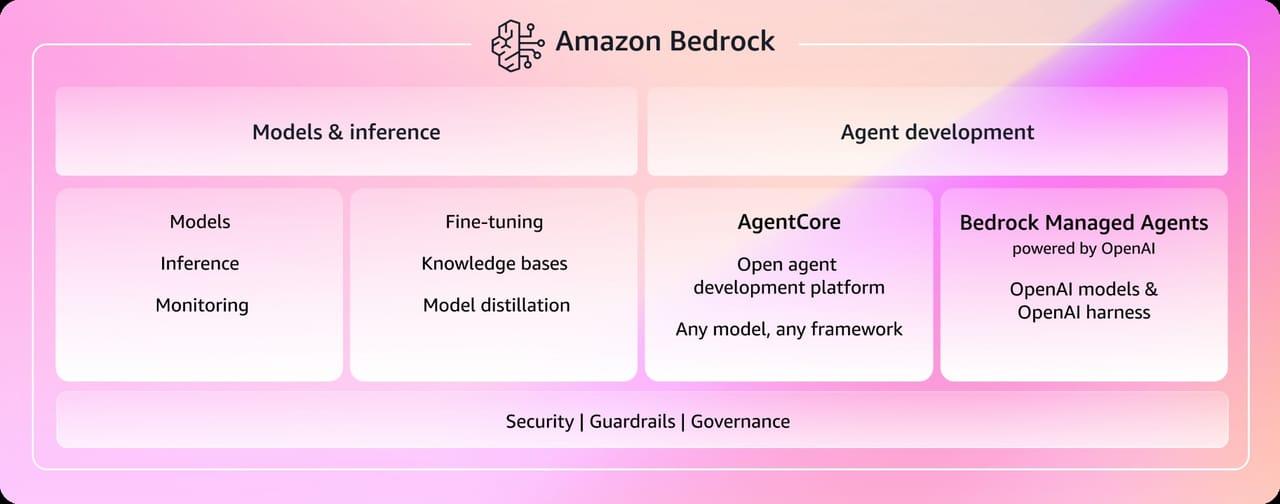
AWS Managed Agents Review: OpenAI Partnership

AWS Managed Agents Review: OpenAI Partnership

Glean AI Search Review: Enterprise Search Redefined
Glean AI Search Review: Enterprise Search Redefined

ChatGPT Security Update: Advanced Protection Features
ChatGPT Security Update: Advanced Protection Features

Mistral's Cloud Code Platform Review
Mistral's Cloud Code Platform Review

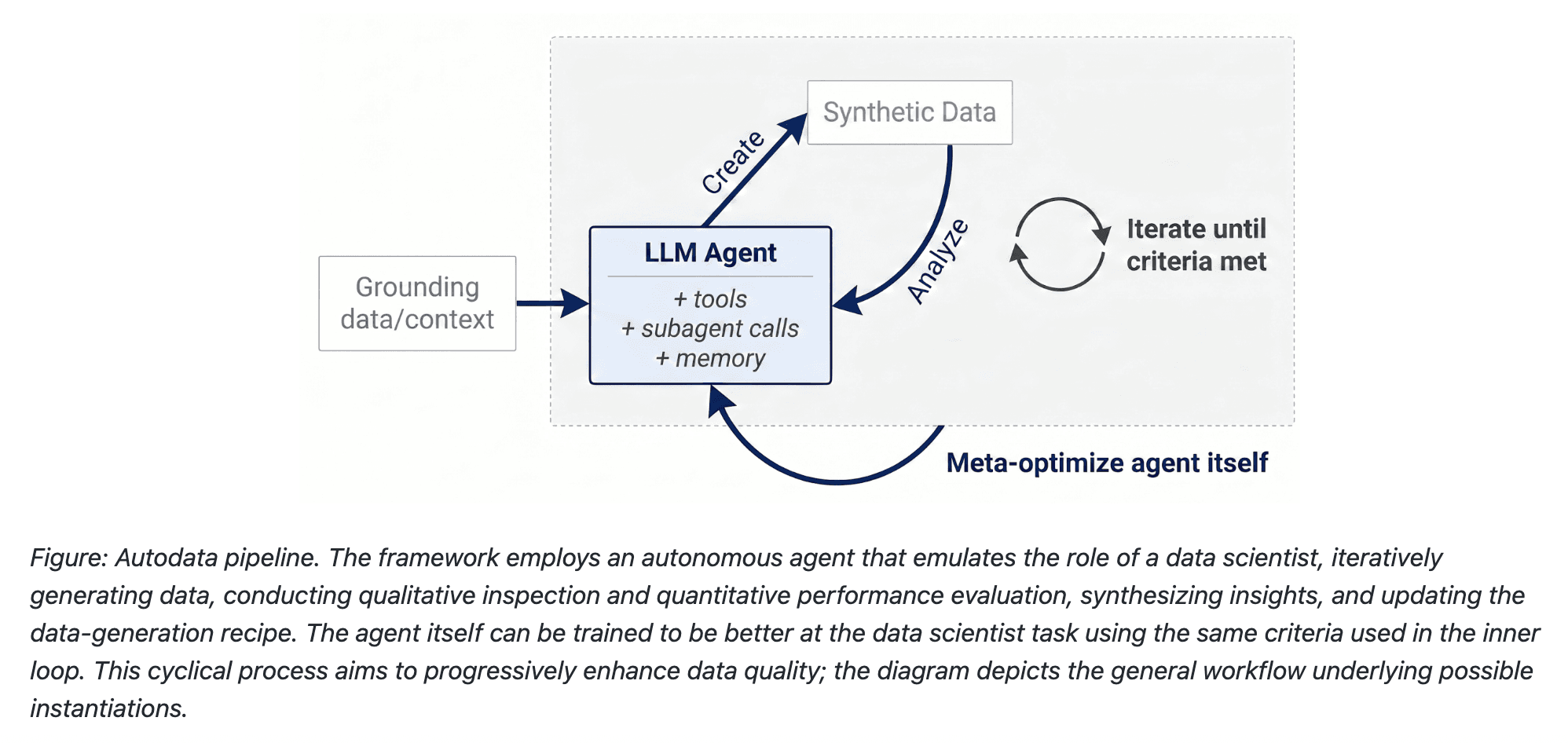
Meta Autodata: AI Framework for Autonomous Data Scientists
Meta Autodata: AI Framework for Autonomous Data Scientists

Gemini API Webhooks: Real-Time AI Automation
Gemini API Webhooks: Real-Time AI Automation

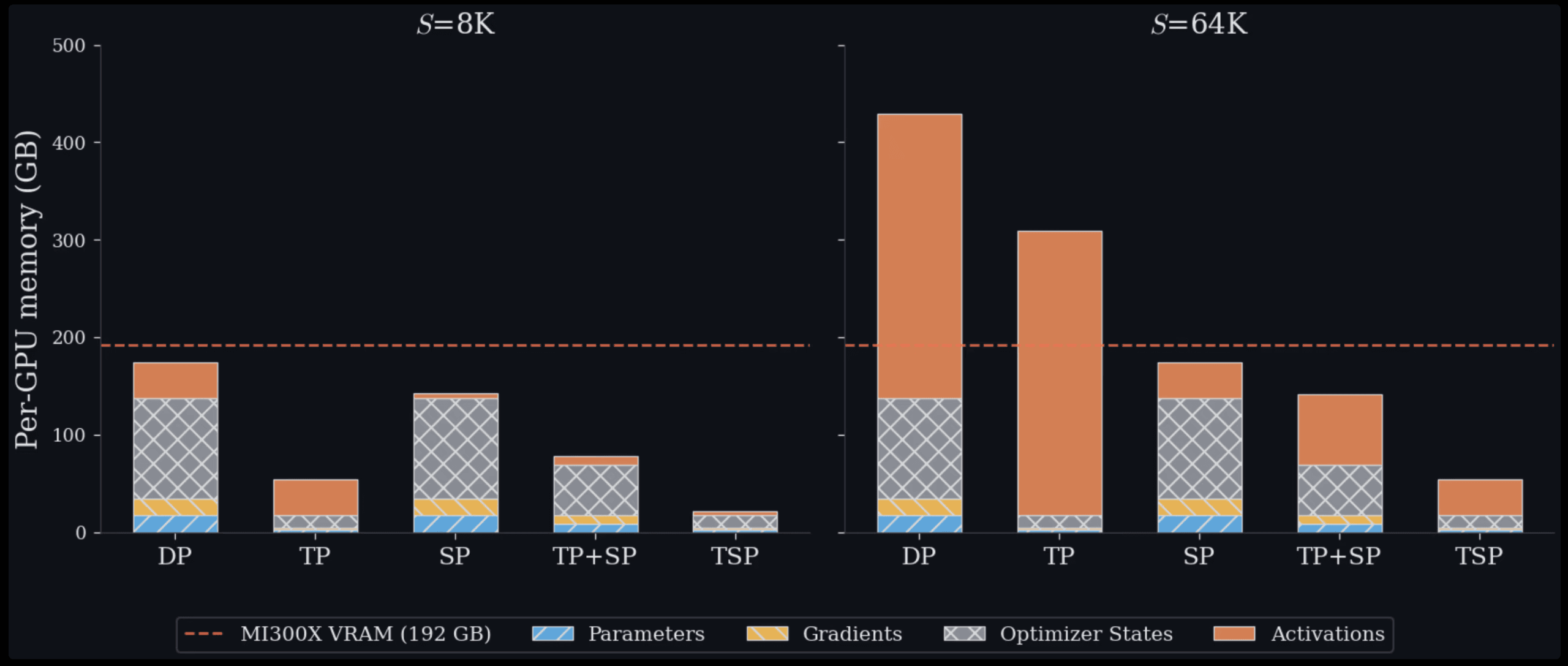
Zyphra TSP: 2.6x Faster AI Training Review

Zyphra TSP: 2.6x Faster AI Training Review

SoundHound OASYS: Self-Learning AI Agent Platform

SoundHound OASYS: Self-Learning AI Agent Platform

Google Home Gemini 3.1: Smarter AI Assistant
Google Home Gemini 3.1: Smarter AI Assistant

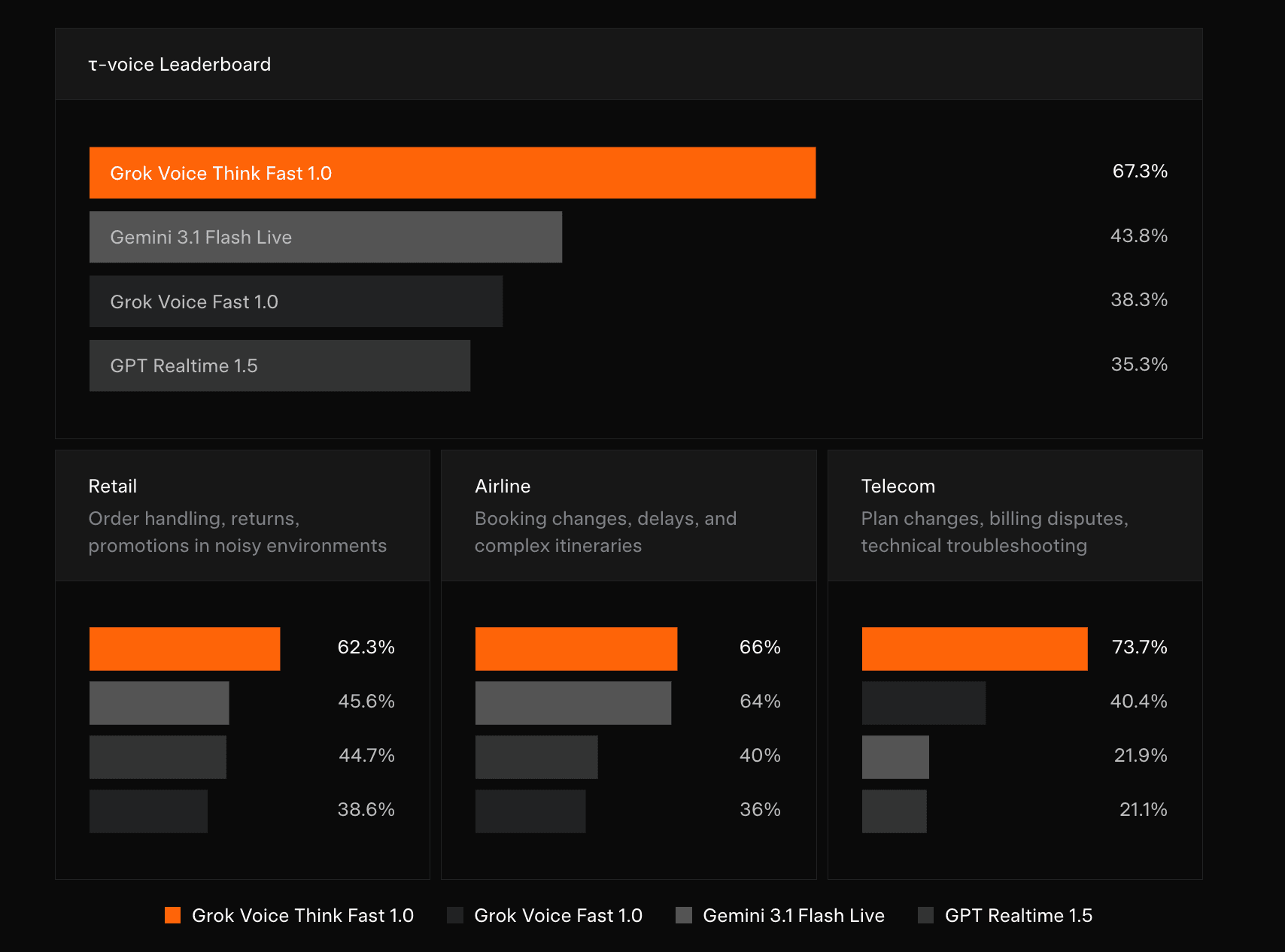
Grok Voice Think Fast 1.0 Review: AI Voice
Grok Voice Think Fast 1.0 Review: AI Voice

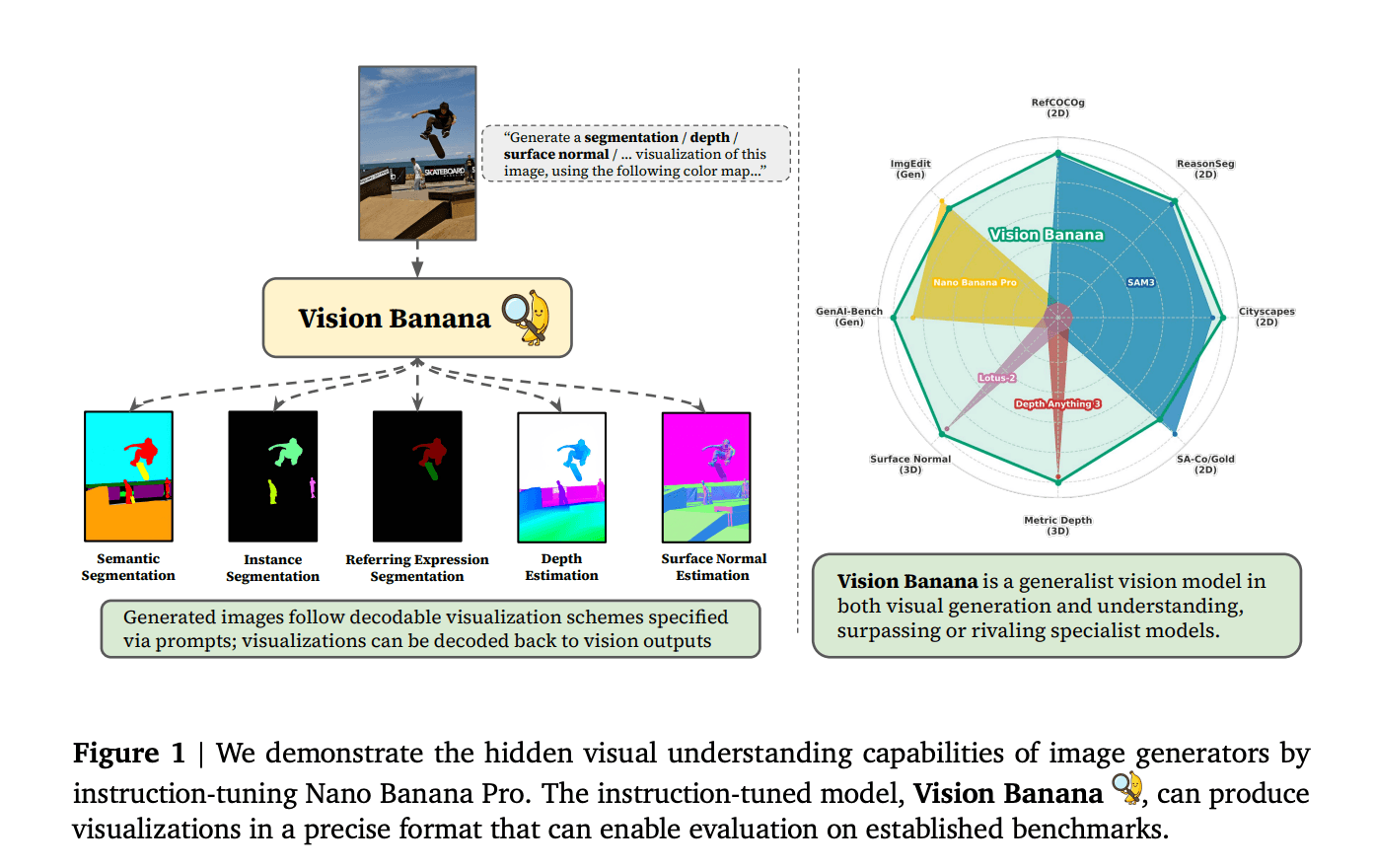
Vision Banana Review: Google's Instruction-Tuned Image Generator
Vision Banana Review: Google's Instruction-Tuned Image Generator

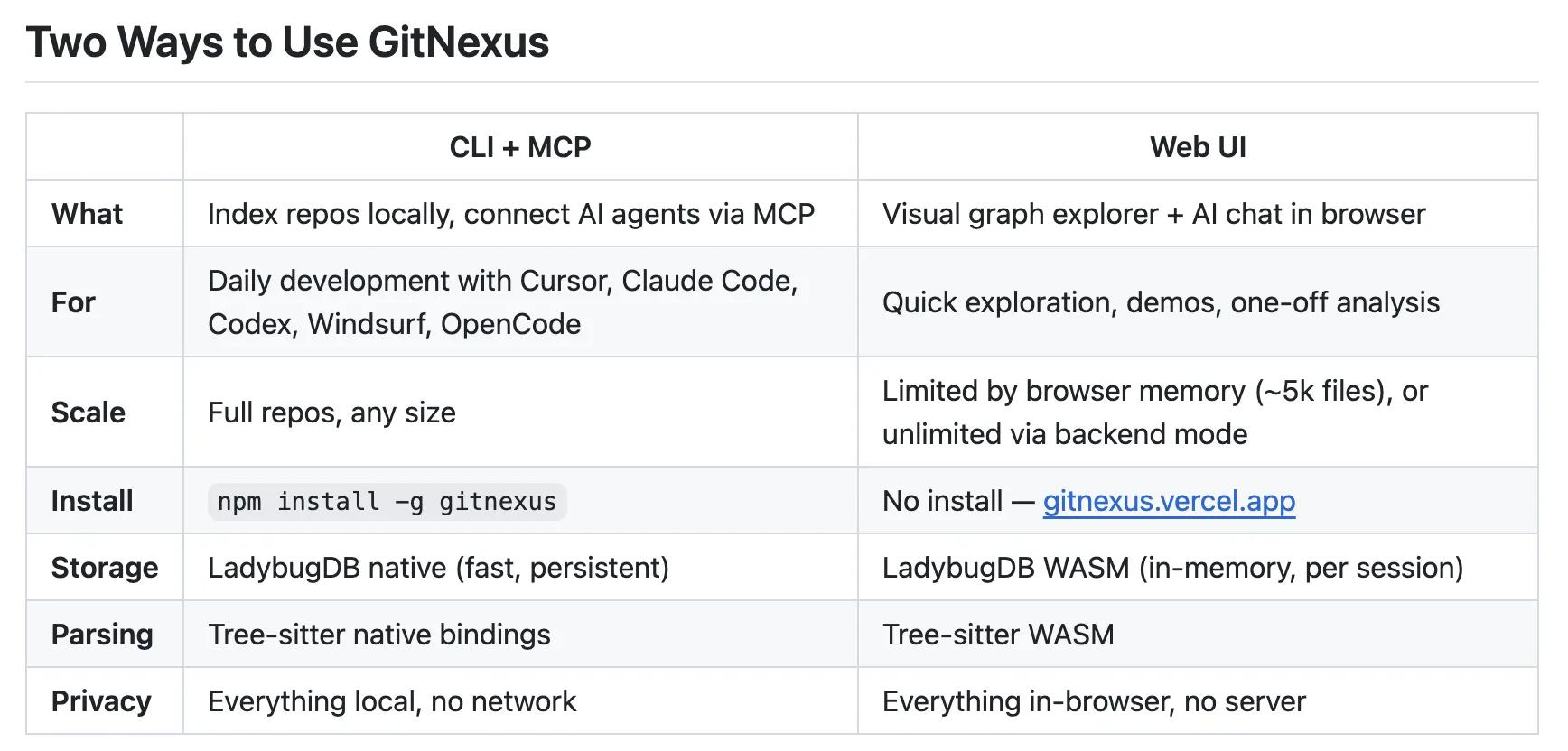
GitNexus Review: Open-Source Code Knowledge Graph
GitNexus Review: Open-Source Code Knowledge Graph

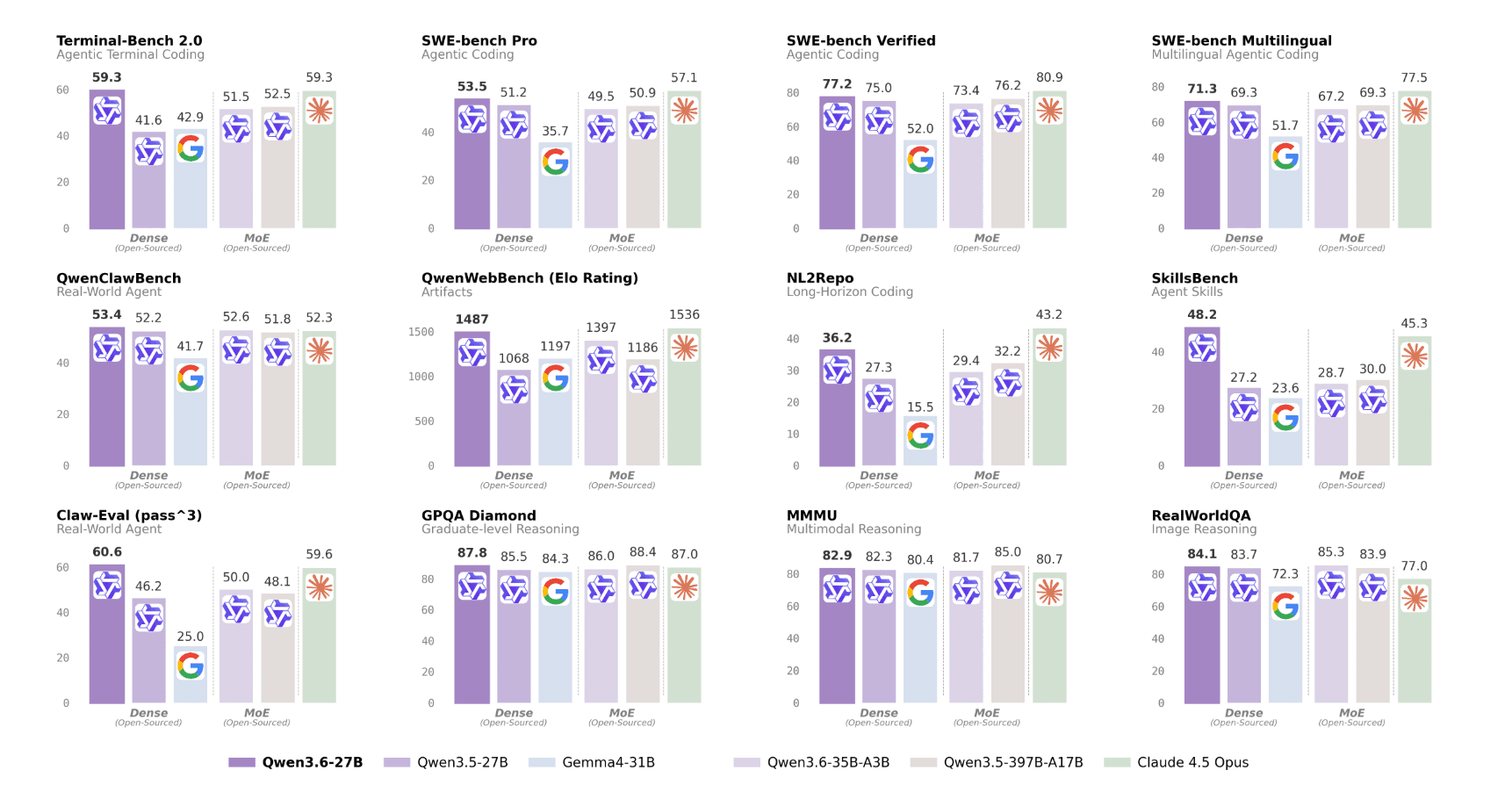
Qwen3.6-27B Review: Dense Model Outperforms 397B MoE

Qwen3.6-27B Review: Dense Model Outperforms 397B MoE

ChatGPT Workspace Agents: Custom AI Bots for Teams

ChatGPT Workspace Agents: Custom AI Bots for Teams

You Might Like These Latest News

All AI News

Stay informed with the latest AI news, breakthroughs, trends, and updates shaping the future of artificial intelligence.

AI Data Centers Face Growing Crisis

May 10, 2026

AI Data Centers Face Growing Crisis

SpaceX Plans $55B AI Chip Plant in Texas

May 8, 2026
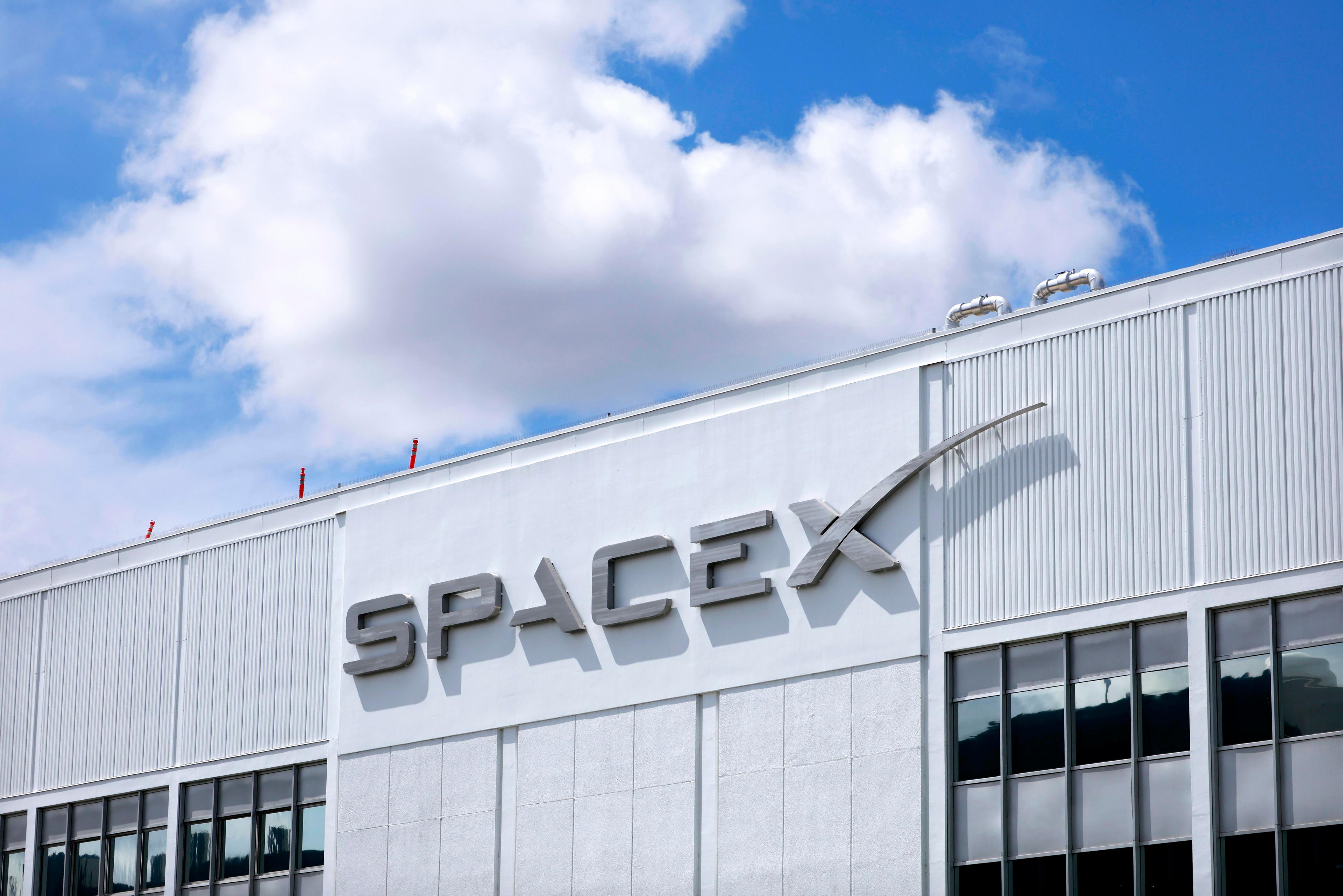
SpaceX Plans $55B AI Chip Plant in Texas

Voi Founders Launch AI Startup Pit With $16M Seed

May 8, 2026

Voi Founders Launch AI Startup Pit With $16M Seed

US Energy Secretary and NVIDIA Discuss AI-Powered Energy Future

May 8, 2026

US Energy Secretary and NVIDIA Discuss AI-Powered Energy Future

Anthropic Finance Agents Disrupt Wall Street Jobs

May 7, 2026

Anthropic Finance Agents Disrupt Wall Street Jobs

Snap Ends $400M Perplexity AI Search Deal

May 7, 2026

Snap Ends $400M Perplexity AI Search Deal

Microsoft Copilot Hits 20M Paid Users

May 6, 2026

Microsoft Copilot Hits 20M Paid Users

Runway Eyes World Models Beyond AI Video

May 6, 2026

Runway Eyes World Models Beyond AI Video

Microsoft to Exploit New OpenAI Deal

May 6, 2026
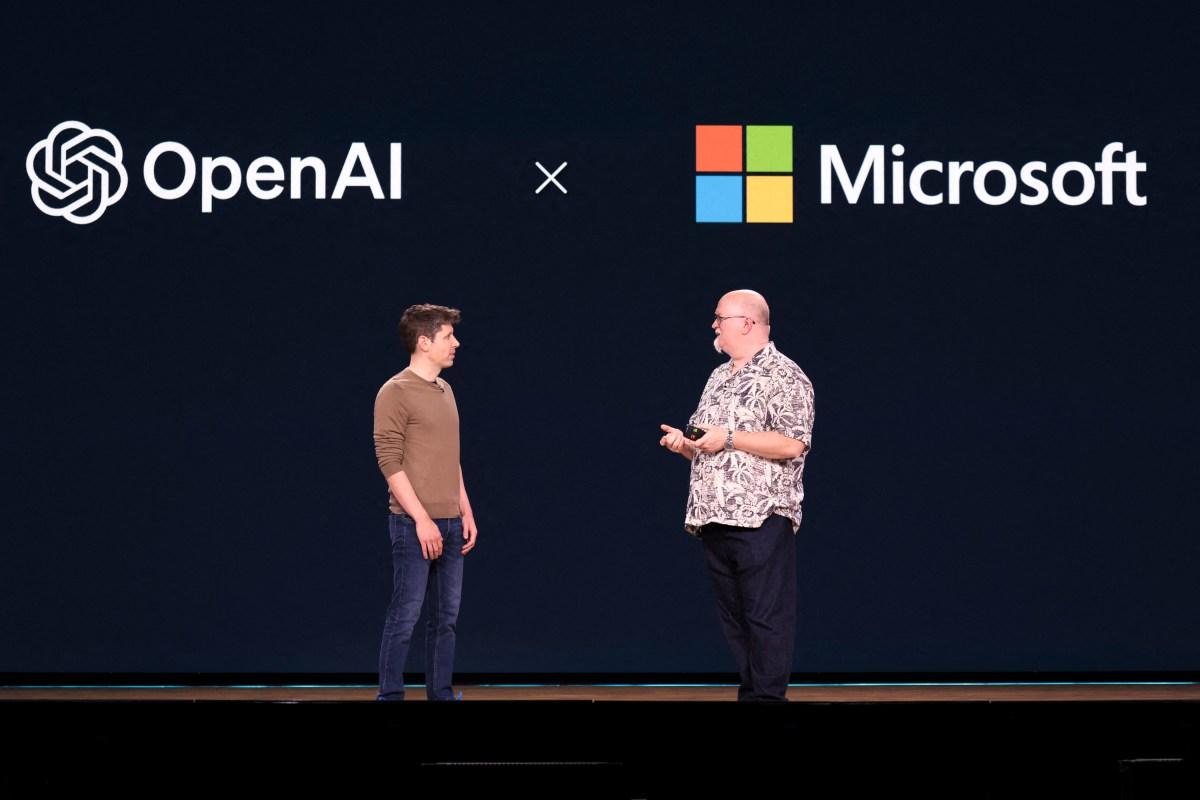
Microsoft to Exploit New OpenAI Deal
Tools of The Day

Tools of The Day

Discover the top AI tools handpicked daily by our editors to help you stay ahead with the latest and most innovative solutions.


10MAR
Adobe Illustrator
Adobe Illustrator
9MAR
Adobe Firefly
Adobe Firefly
8MAR
Adobe Sensei
Adobe Sensei
7MAR
Adobe Photoshop
Adobe Photoshop
6MAR
Adobe Firefly
Adobe Firefly
5MAR
Shap-E
Shap-E
4MAR
Point-E
Point-E

Explore AI Tools of The Day