Join Our Community










Get the earliest access to hand-picked content weekly for free.
Spam-free guaranteed! Only insights.
Join Our Community
Get the earliest access to hand-picked content weekly for free.
Spam-free guaranteed! Only insights.

🎯 Quick Impact Summary
Google has introduced two new inference tiers to the Gemini API, Flex and Priority, fundamentally reshaping how developers balance cost against latency and reliability. This update empowers teams to optimize spending for non-critical workloads while guaranteeing performance for production systems. The move signals Google's commitment to making enterprise AI accessible across different budget and performance requirements.
Google's latest update introduces a tiered pricing and performance model that moves beyond one-size-fits-all API access. These new inference tiers give developers explicit control over the cost-reliability spectrum.
The inference tiers are built on Google's distributed infrastructure, with distinct resource allocation and queuing strategies for each tier.
What Each Feature Actually Means:
Before
Developers faced an all-or-nothing choice with API access: pay premium rates for guaranteed performance or accept unpredictable latency and availability. Teams running mixed workloads had no way to optimize costs for non-critical tasks while protecting performance for production systems. This forced many organizations to either overspend or accept reliability risks.
After
Developers now select the inference tier that matches each workload's actual requirements, paying only for the performance level they need. Batch jobs and analytics run cost-effectively through Flex, while production systems get guaranteed reliability through Priority. Organizations can implement sophisticated cost optimization strategies without sacrificing reliability where it matters.
📈 Expected Impact: Teams can reduce overall API spending by 30-50% while maintaining or improving reliability for mission-critical workloads through intelligent tier routing.
For Beginners:
tier="priority" or tier="flex").For Power Users:
FAQ
AI Spotlights
Unleashing Today's trailblazer, this week's game-changers, and this month's legends in AI. Dive in and discover tools that matter.
OpenAI Codex Chrome Extension Review

Perplexity Personal Computer: AI Agents for Mac
OpenAI Voice Intelligence API: New Features Review

ChatGPT Trusted Contact: New Self-Harm Safeguard
CopilotKit Intelligence: Enterprise AI Memory Platform
OpenAI Training Spec: GPU Performance Breakthrough
AWS Managed Agents Review: OpenAI Partnership

Glean AI Search Review: Enterprise Search Redefined

ChatGPT Security Update: Advanced Protection Features
Mistral's Cloud Code Platform Review
Meta Autodata: AI Framework for Autonomous Data Scientists
Gemini API Webhooks: Real-Time AI Automation
Zyphra TSP: 2.6x Faster AI Training Review

SoundHound OASYS: Self-Learning AI Agent Platform

Google Home Gemini 3.1: Smarter AI Assistant
Grok Voice Think Fast 1.0 Review: AI Voice
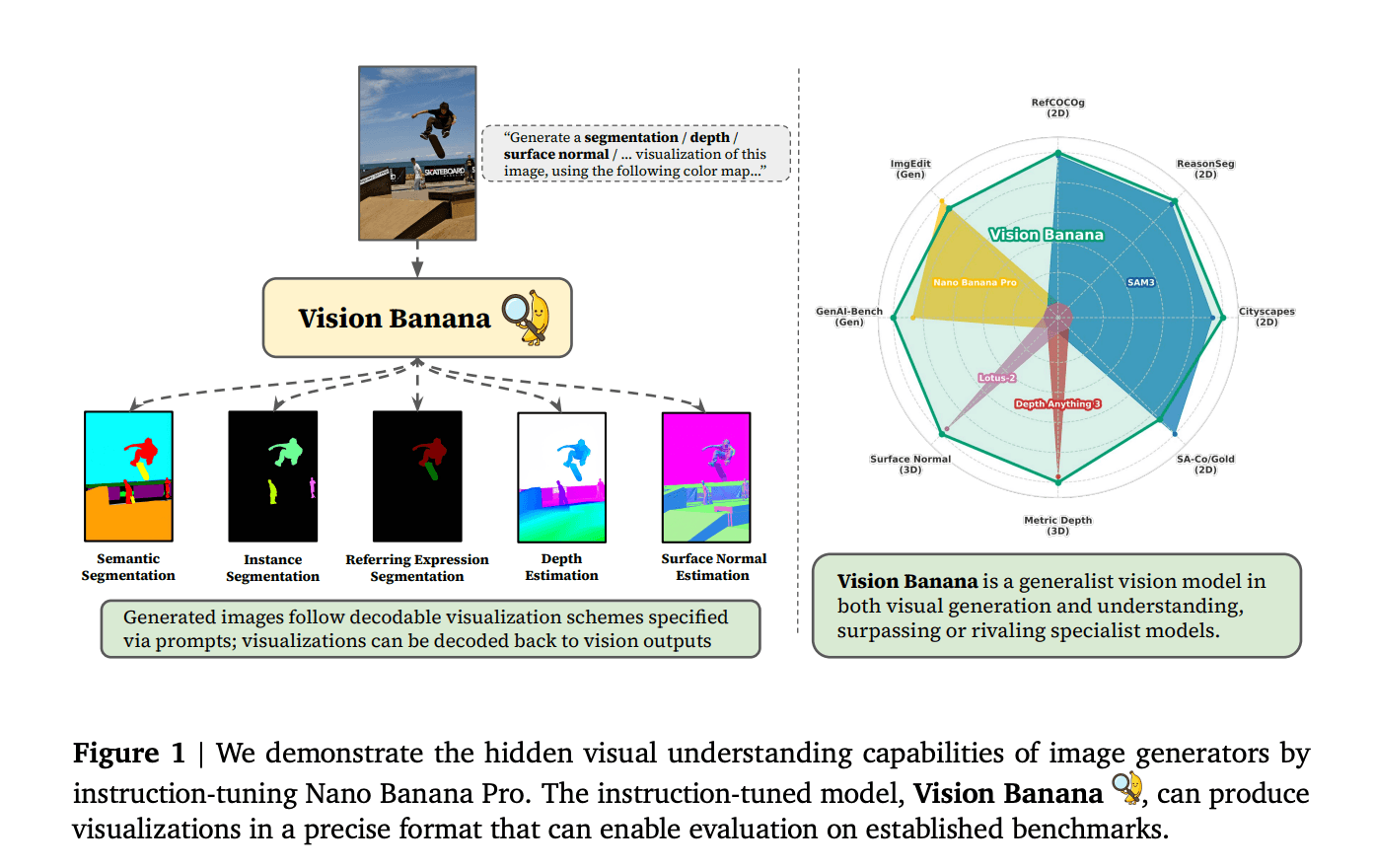
Vision Banana Review: Google's Instruction-Tuned Image Generator
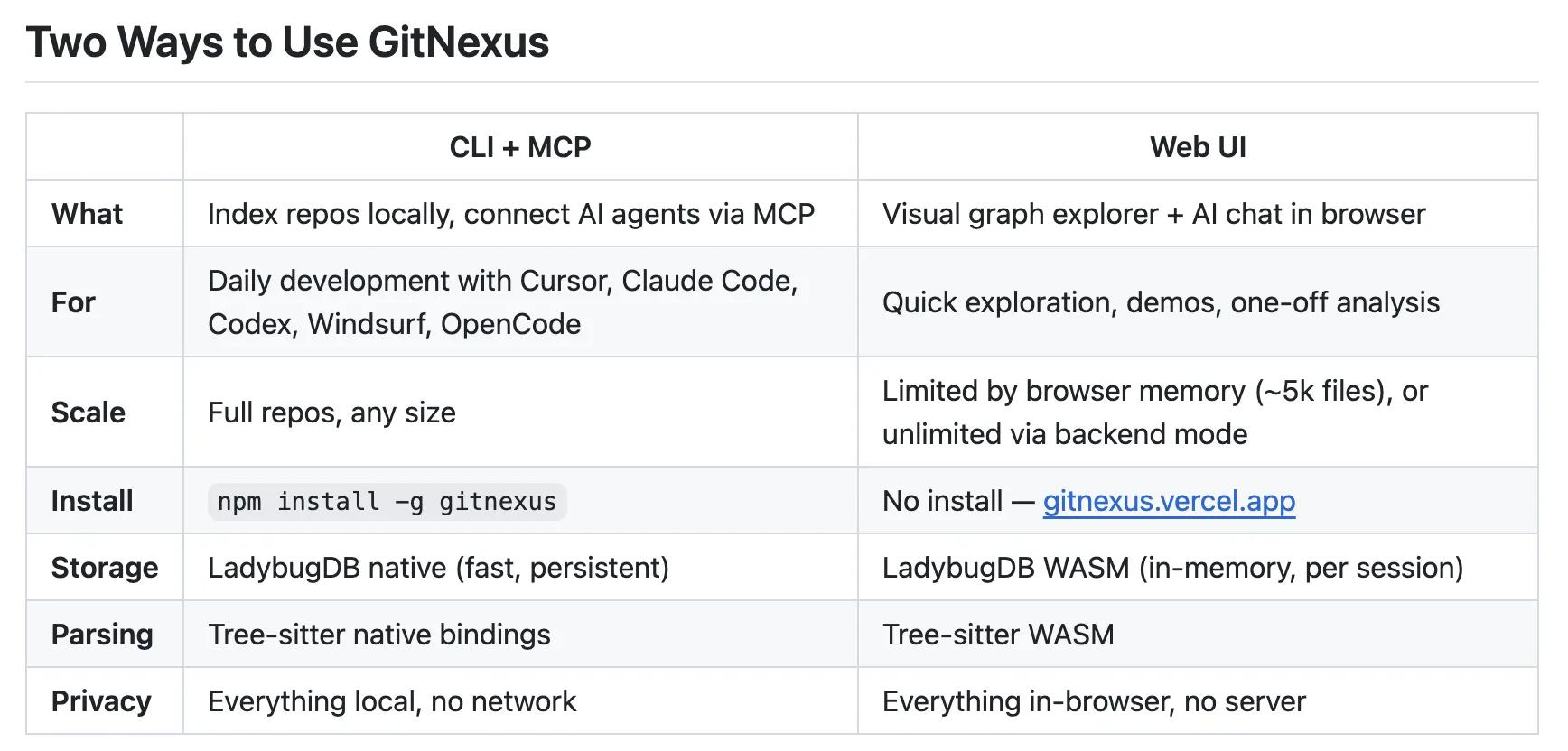
GitNexus Review: Open-Source Code Knowledge Graph
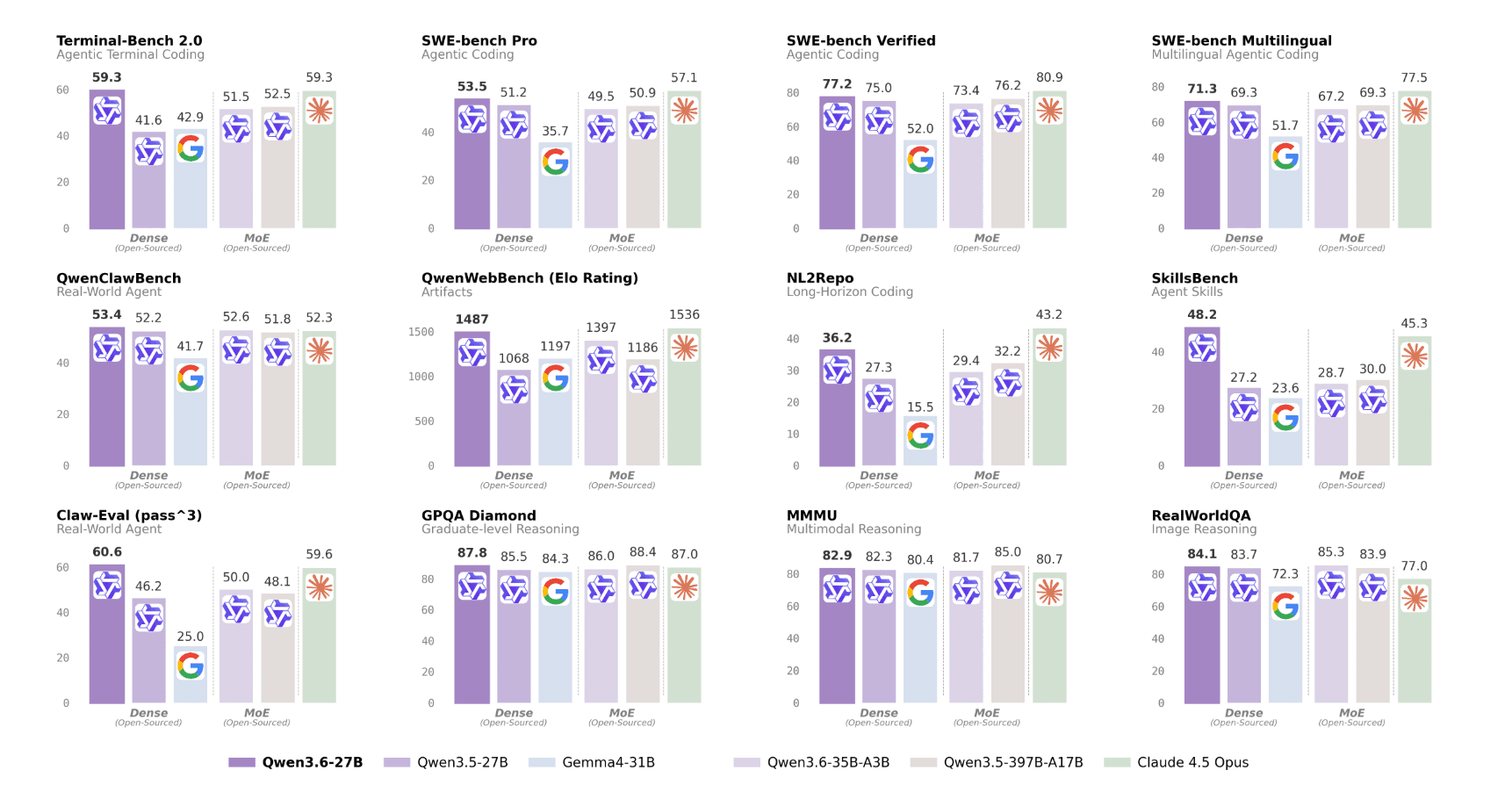
Qwen3.6-27B Review: Dense Model Outperforms 397B MoE

ChatGPT Workspace Agents: Custom AI Bots for Teams
You Might Like These Latest News
All AI NewsStay informed with the latest AI news, breakthroughs, trends, and updates shaping the future of artificial intelligence.
AI Data Centers Face Growing Crisis
May 10, 2026
SpaceX Plans $55B AI Chip Plant in Texas
May 8, 2026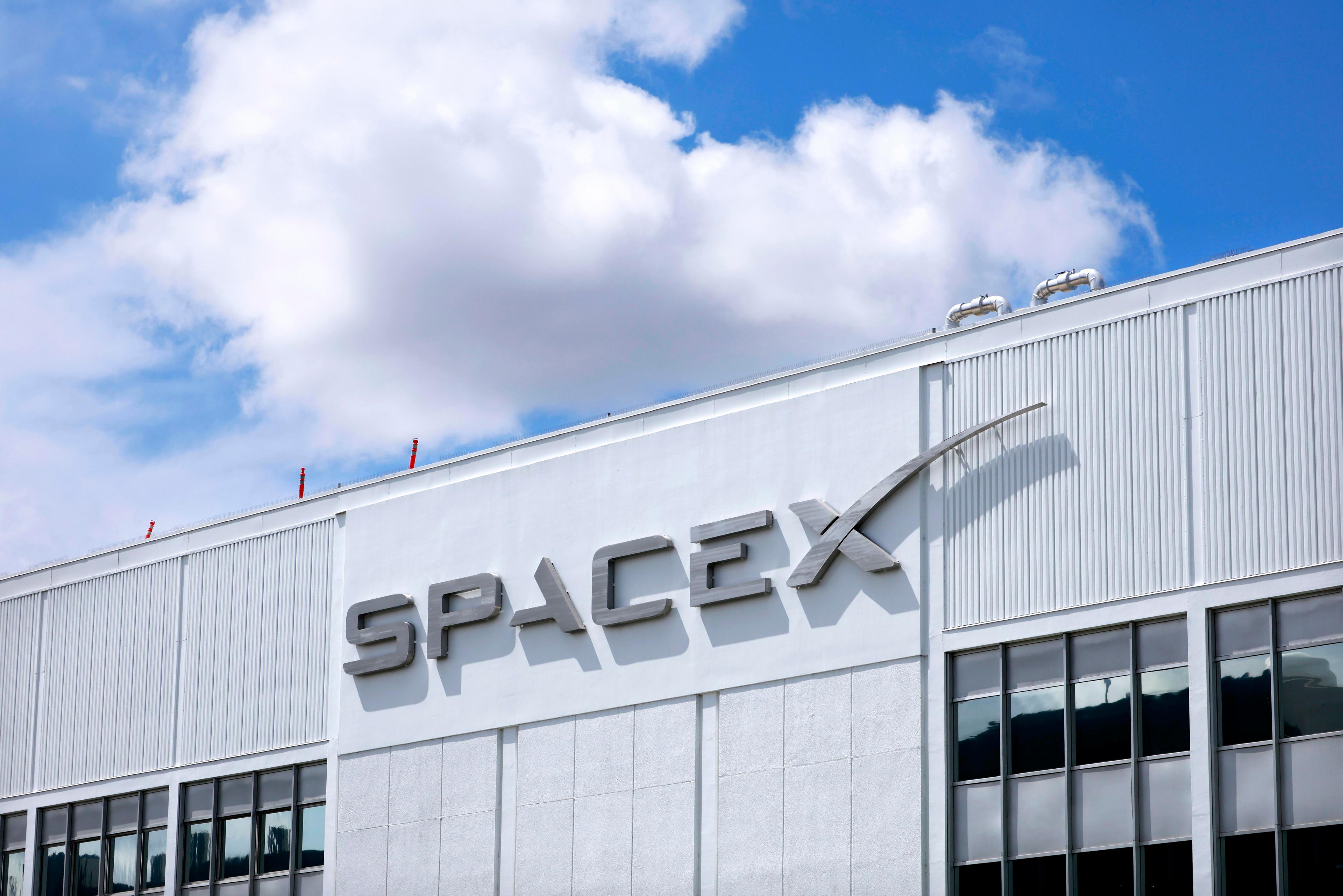
Voi Founders Launch AI Startup Pit With $16M Seed
May 8, 2026
US Energy Secretary and NVIDIA Discuss AI-Powered Energy Future
May 8, 2026
Anthropic Finance Agents Disrupt Wall Street Jobs
May 7, 2026
Snap Ends $400M Perplexity AI Search Deal
May 7, 2026
Microsoft Copilot Hits 20M Paid Users
May 6, 2026
Runway Eyes World Models Beyond AI Video
May 6, 2026
Microsoft to Exploit New OpenAI Deal
May 6, 2026

Discover the top AI tools handpicked daily by our editors to help you stay ahead with the latest and most innovative solutions.