Join Our Community










Get the earliest access to hand-picked content weekly for free.
Spam-free guaranteed! Only insights.
Join Our Community
Get the earliest access to hand-picked content weekly for free.
Spam-free guaranteed! Only insights.

🎯 Quick Impact Summary
* DeepL Voice API provides real-time, high-accuracy speech transcription and translation for developers.
* Key features include multi-speaker identification and low-latency processing, making it ideal for live applications.
* It is best suited for businesses building customer service, video conferencing, or e-learning platforms.
* Pricing is usage-based (per second of audio), so costs should be calculated for high-volume projects.
* Compared to alternatives like AssemblyAI or Google Cloud Speech-to-Text, its main advantage is the direct integration with DeepL's top-tier translation engine.
DeepL has launched its Voice API, a powerful new tool designed for real-time speech transcription and translation. This API allows developers to integrate advanced audio processing capabilities directly into their applications, converting spoken language into text and translating it on the fly. It is primarily built for businesses and developers creating communication tools, customer service platforms, or any application needing multilingual audio support. The key benefits are its high accuracy, low latency, and seamless integration with the DeepL ecosystem, promising more natural and efficient cross-language interactions.
The DeepL Voice API offers a robust set of features focused on delivering high-quality, real-time audio processing. Its core capabilities include highly accurate speech-to-text transcription and instantaneous translation of that transcribed text into dozens of target languages. A standout feature is its ability to handle multiple speakers within a single audio stream, providing speaker identification and segmentation. The API supports various audio formats and offers configurable options for output, such as punctuation and formatting, allowing developers to tailor the results to their specific application needs. This focus on detail ensures the output is not just accurate, but also usable and well-structured.
DeepL Voice API leverages the same advanced neural network technology that powers its acclaimed text translation service. When an audio stream is sent to the API, it first processes the speech using a state-of-the-art automatic speech recognition (ASR) engine. This engine is trained on vast datasets to accurately transcribe spoken words into text, even with varying accents and background noise. Once the text is generated, it is fed directly into DeepL's translation engine, which produces a natural-sounding translation in the target language. The entire process is optimized for low latency, making it suitable for live conversations and real-time applications.
The practical applications for the DeepL Voice API are extensive, particularly in a globalized world. Customer service centers can use it to provide real-time translation for agents and international customers, breaking down language barriers instantly. Video conferencing platforms can integrate it to offer live captions and translated subtitles, enhancing accessibility and participation for all attendees. In the education sector, it can power e-learning tools that provide real-time transcription and translation of lectures. Content creators and media companies can also use it to automatically generate subtitles and transcripts for video and audio content, streamlining their localization workflow.
As an API product, DeepL Voice API typically operates on a usage-based pricing model, often measured per second of audio processed. This pay-as-you-go structure is designed to be scalable for both small projects and large enterprise-level deployments. Specific pricing tiers or volume discounts may be available for businesses with high-usage needs. For the most accurate and up-to-date pricing information, including any free trial or developer credits, potential users should consult the official DeepL website and their API documentation.
Pros: * High Accuracy: Built on DeepL's industry-leading translation and transcription models. * Low Latency: Optimized for real-time applications like live conversations. * Scalability: API-first design suitable for projects of any size. * Developer-Friendly: Well-documented and easy to integrate.
Cons: * Cost at Scale: Usage-based pricing can become expensive for high-volume applications. * Limited Language Support: While extensive, it may not cover every niche language pair compared to some text-based services.
Who Should Use It: The DeepL Voice API is ideal for developers, businesses, and product managers building communication, collaboration, or content localization tools. It is a perfect fit for companies prioritizing accuracy and a seamless user experience in their multilingual audio features. It is less suited for hobbyists or projects with no budget, but for professional applications, it offers a top-tier solution.
FAQ
AI Spotlights
Unleashing Today's trailblazer, this week's game-changers, and this month's legends in AI. Dive in and discover tools that matter.
OpenAI Codex Chrome Extension Review

Perplexity Personal Computer: AI Agents for Mac
OpenAI Voice Intelligence API: New Features Review
ChatGPT Trusted Contact: New Self-Harm Safeguard
CopilotKit Intelligence: Enterprise AI Memory Platform
OpenAI Training Spec: GPU Performance Breakthrough
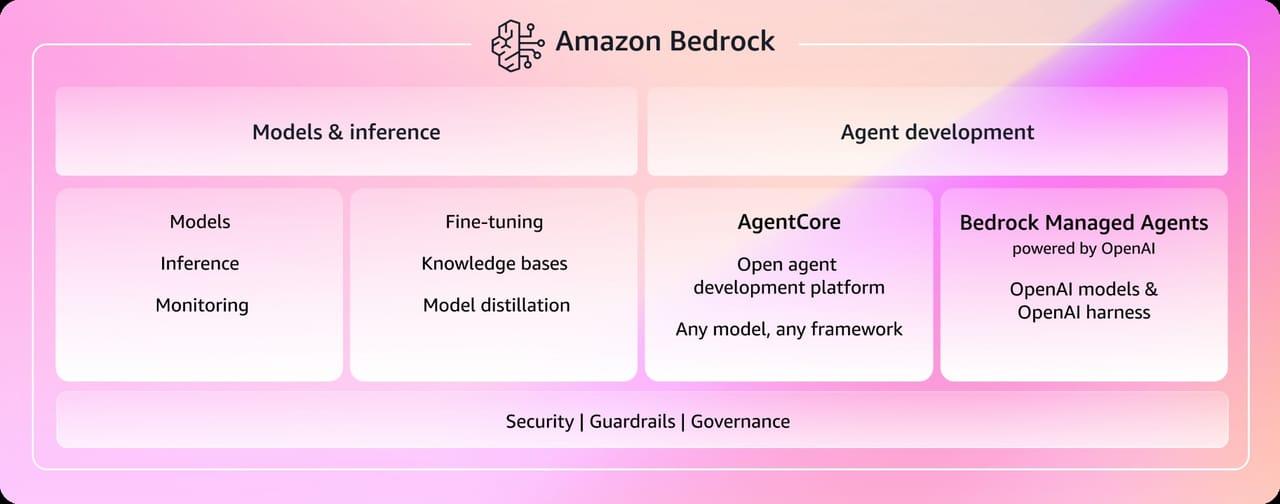
AWS Managed Agents Review: OpenAI Partnership

Glean AI Search Review: Enterprise Search Redefined
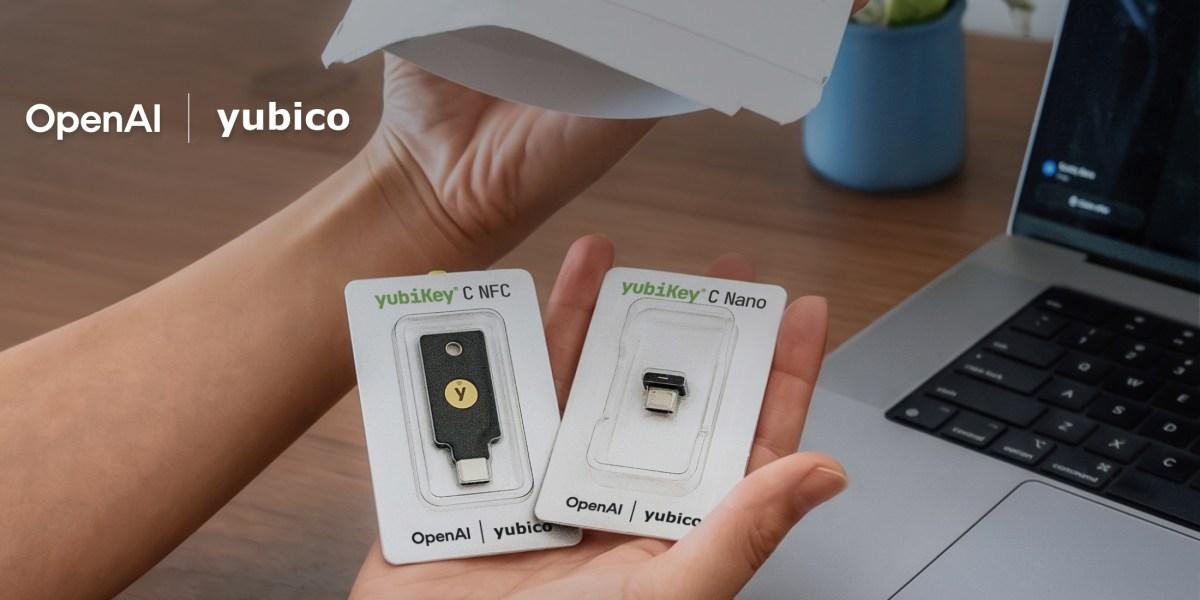
ChatGPT Security Update: Advanced Protection Features
Mistral's Cloud Code Platform Review
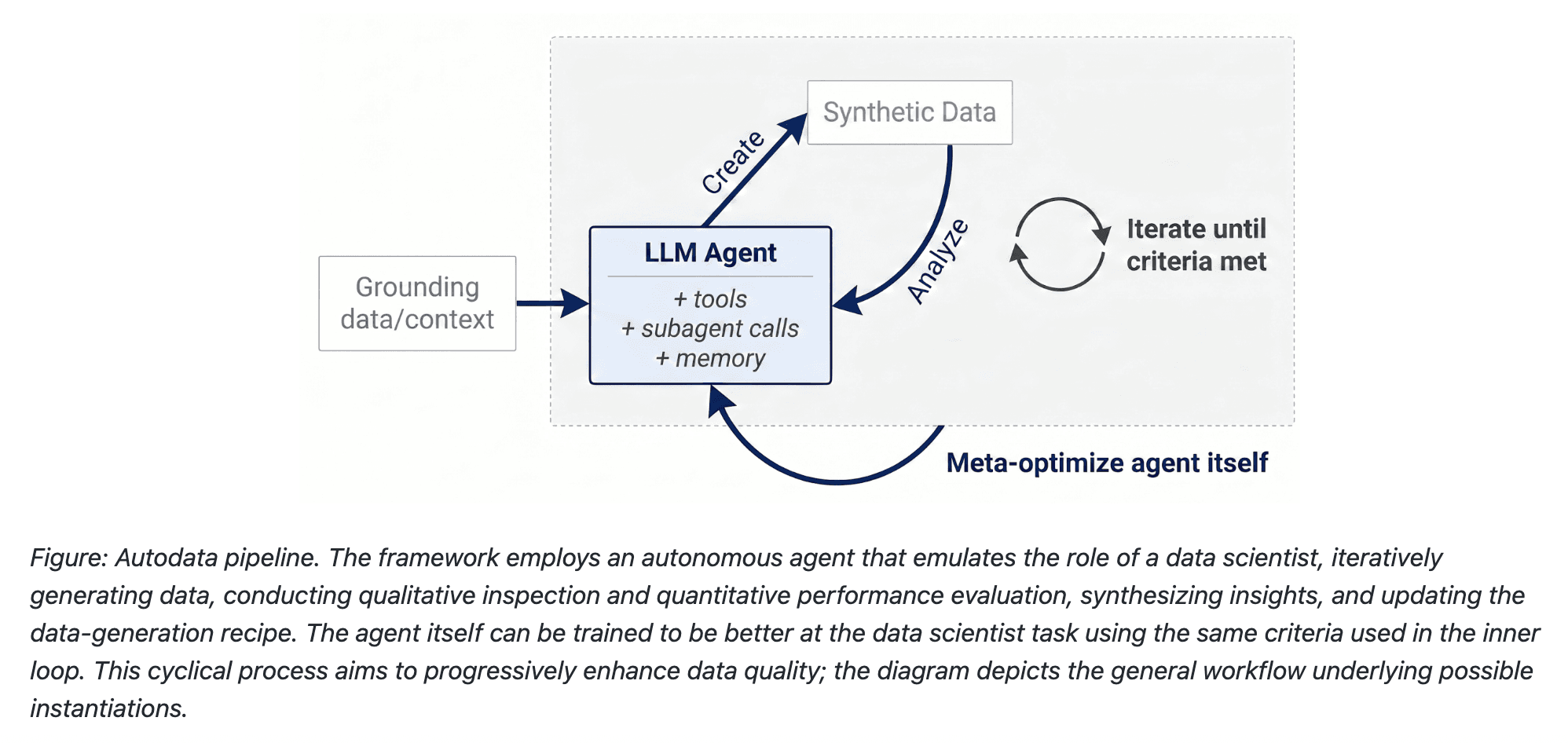
Meta Autodata: AI Framework for Autonomous Data Scientists
Gemini API Webhooks: Real-Time AI Automation
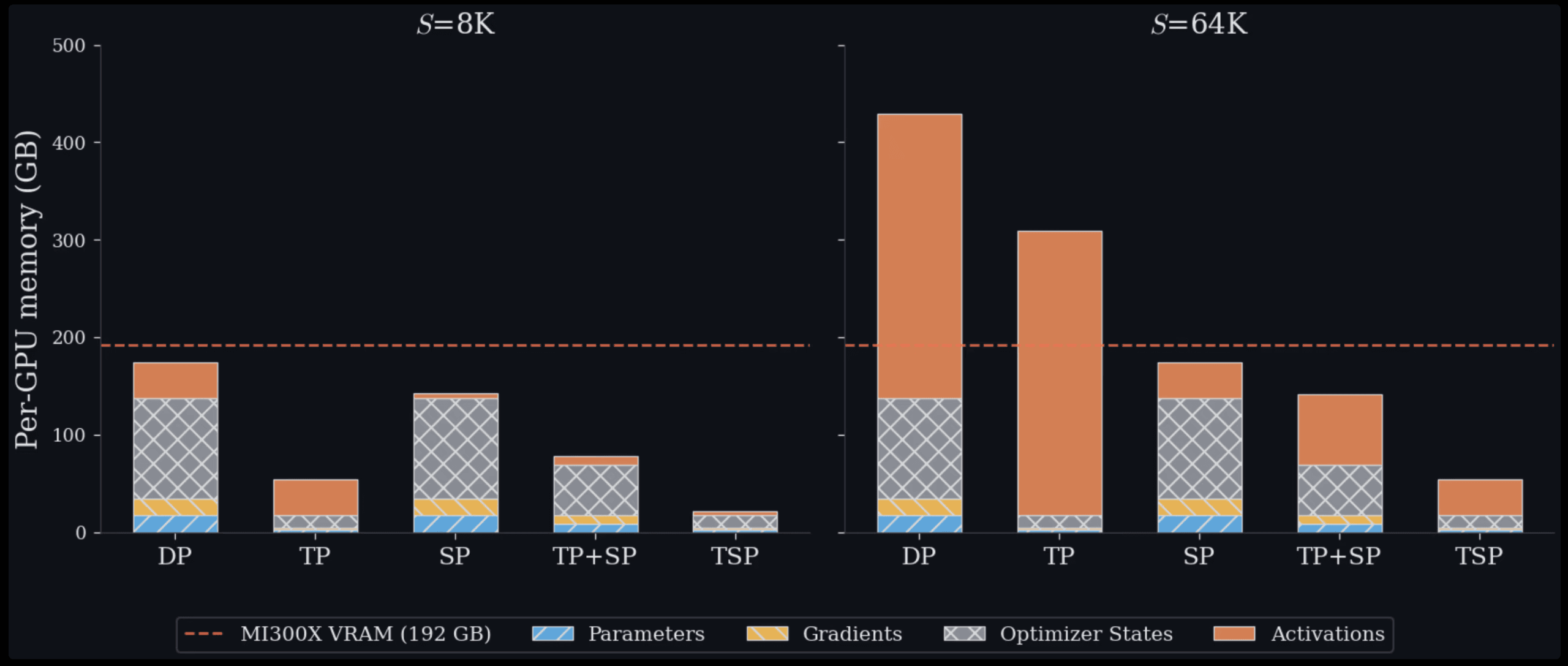
Zyphra TSP: 2.6x Faster AI Training Review

SoundHound OASYS: Self-Learning AI Agent Platform
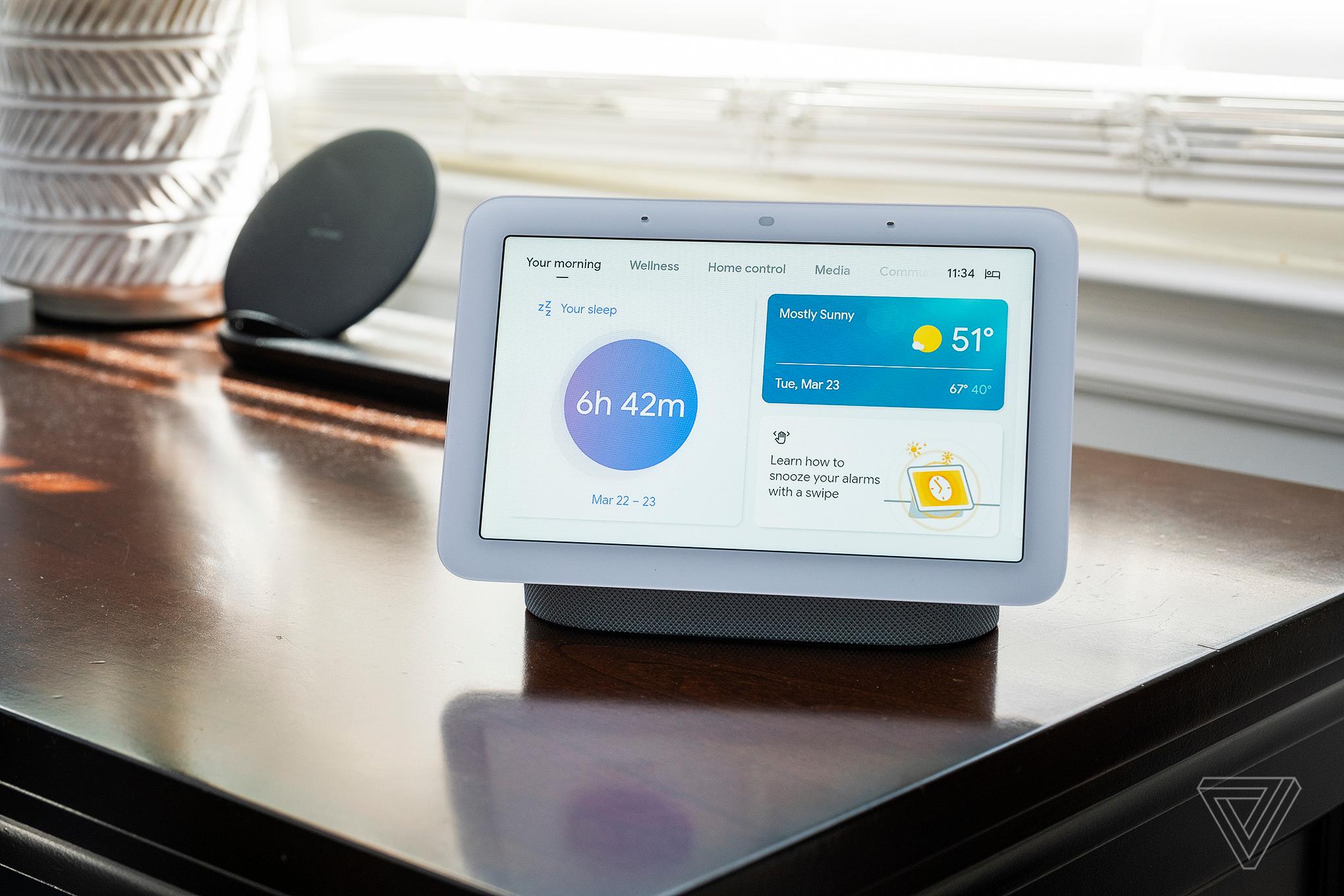
Google Home Gemini 3.1: Smarter AI Assistant
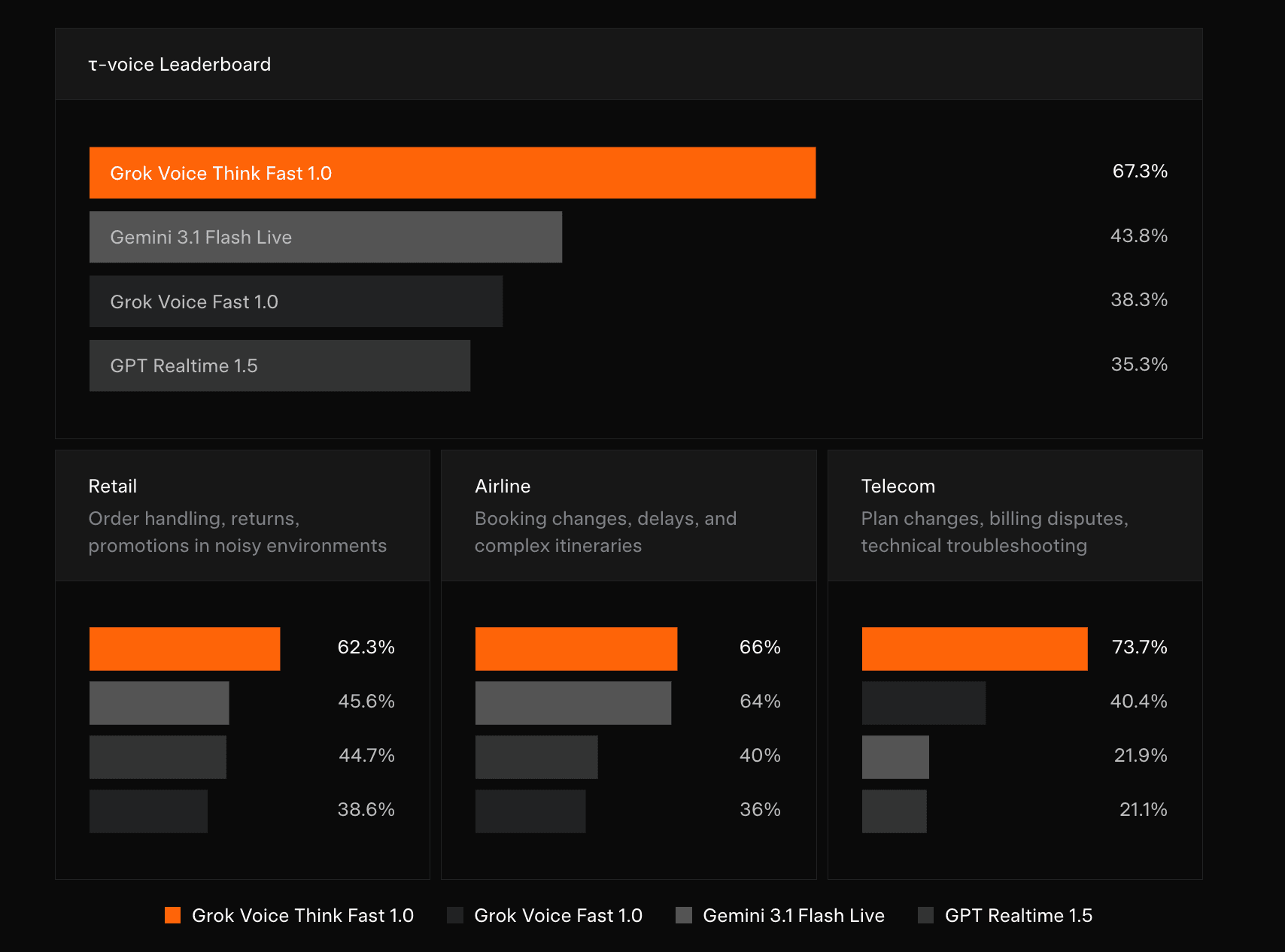
Grok Voice Think Fast 1.0 Review: AI Voice
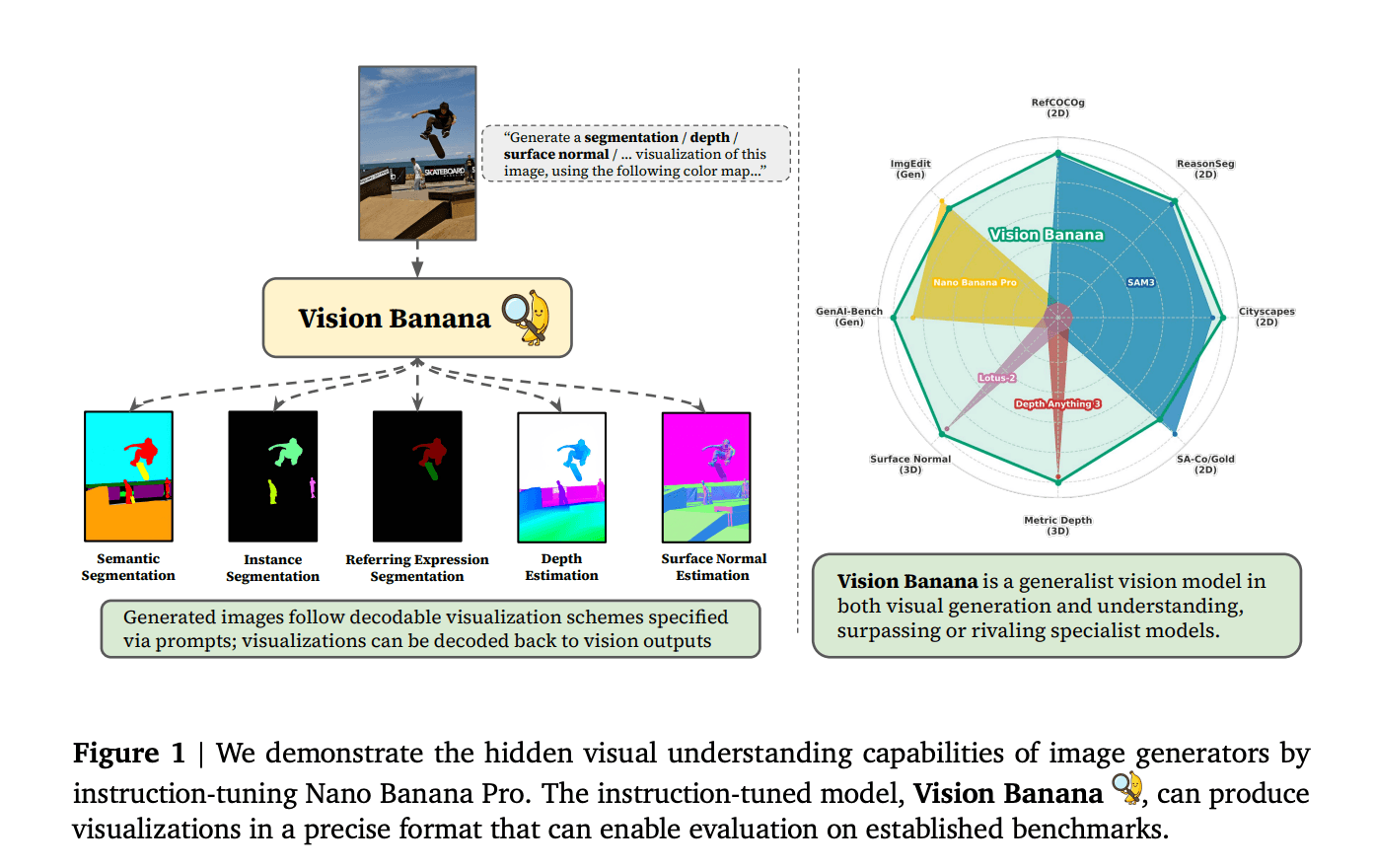
Vision Banana Review: Google's Instruction-Tuned Image Generator
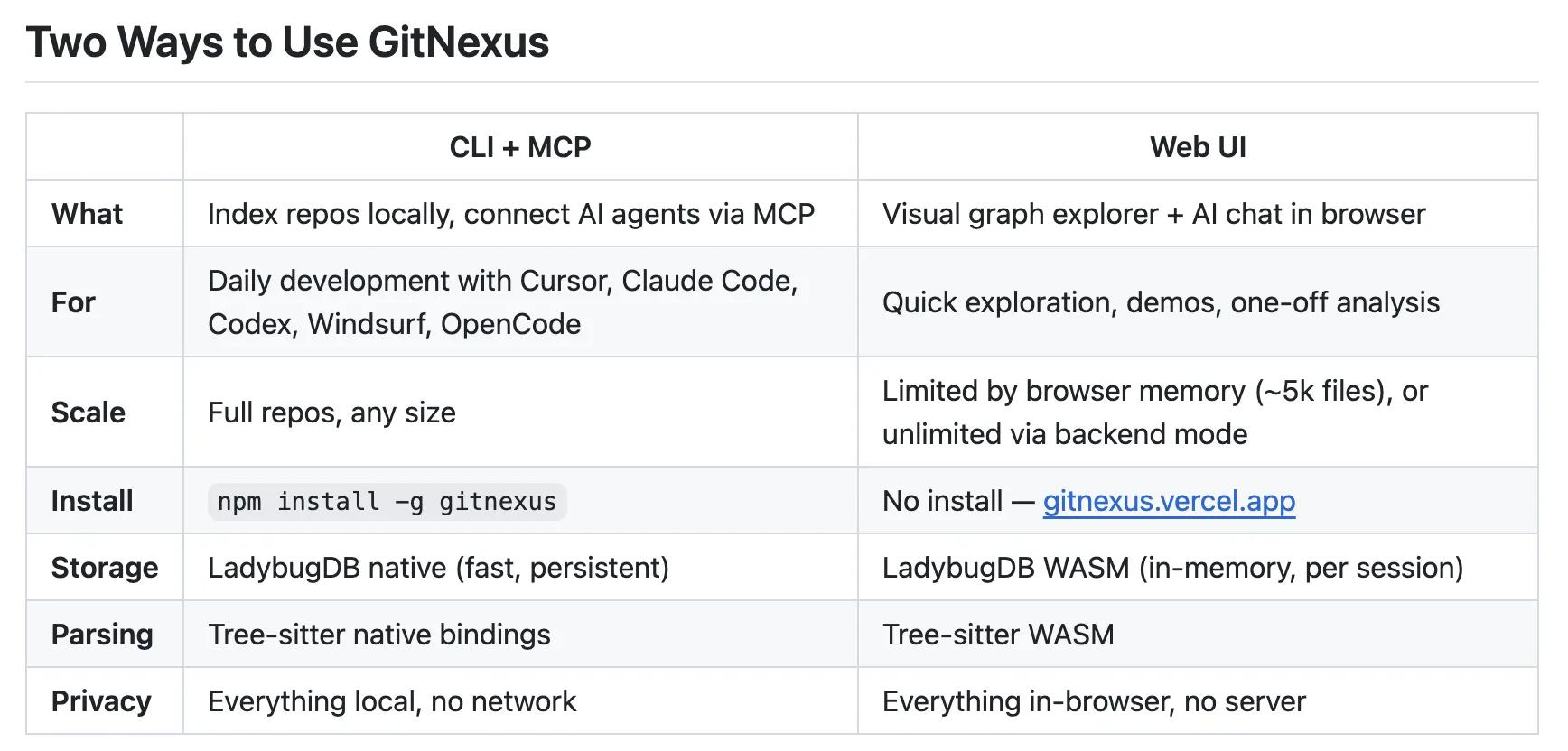
GitNexus Review: Open-Source Code Knowledge Graph
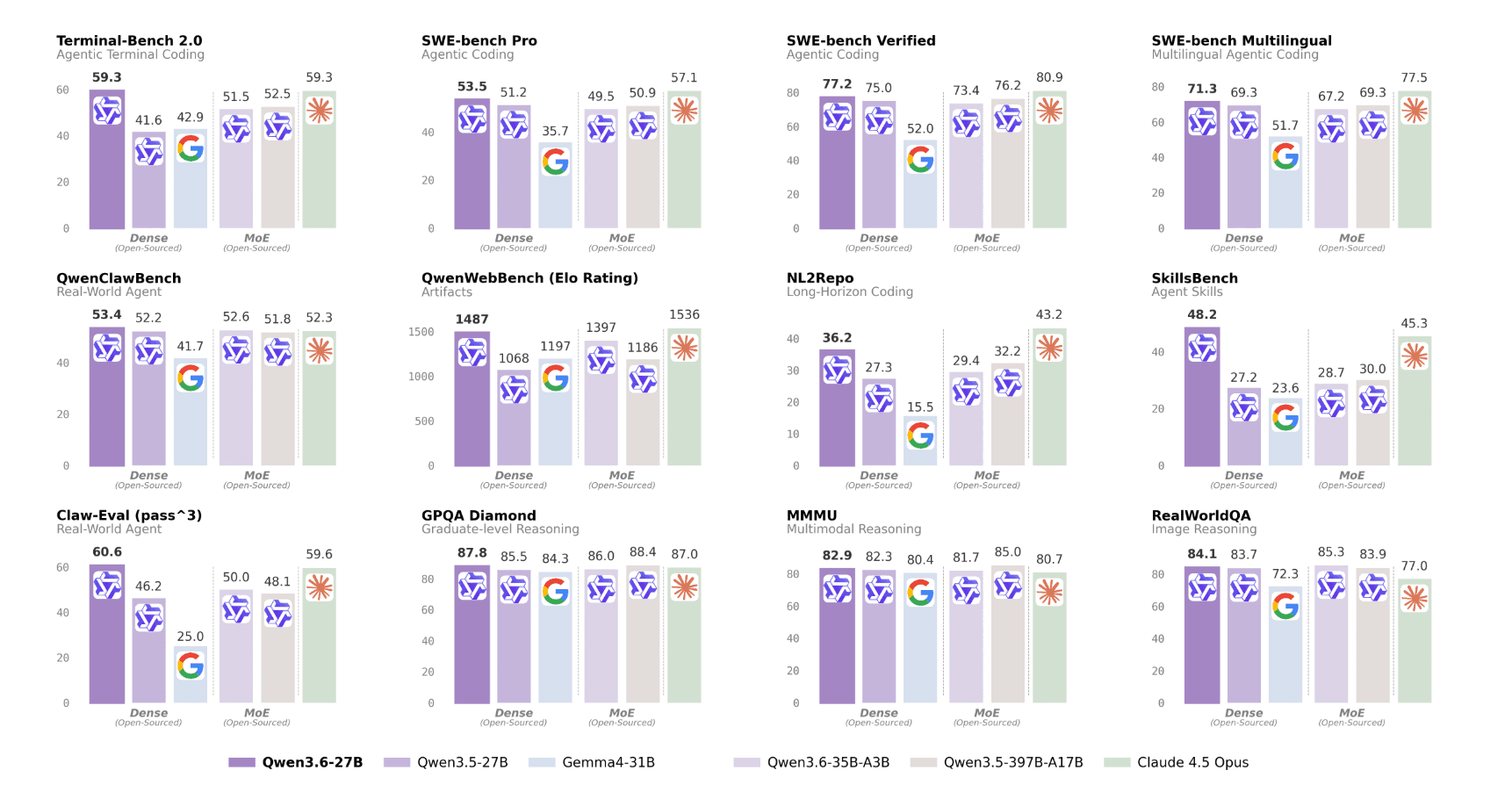
Qwen3.6-27B Review: Dense Model Outperforms 397B MoE

ChatGPT Workspace Agents: Custom AI Bots for Teams
You Might Like These Latest News
All AI NewsStay informed with the latest AI news, breakthroughs, trends, and updates shaping the future of artificial intelligence.
AI Data Centers Face Growing Crisis
May 10, 2026
SpaceX Plans $55B AI Chip Plant in Texas
May 8, 2026
Voi Founders Launch AI Startup Pit With $16M Seed
May 8, 2026
US Energy Secretary and NVIDIA Discuss AI-Powered Energy Future
May 8, 2026
Anthropic Finance Agents Disrupt Wall Street Jobs
May 7, 2026
Snap Ends $400M Perplexity AI Search Deal
May 7, 2026
Microsoft Copilot Hits 20M Paid Users
May 6, 2026
Runway Eyes World Models Beyond AI Video
May 6, 2026
Microsoft to Exploit New OpenAI Deal
May 6, 2026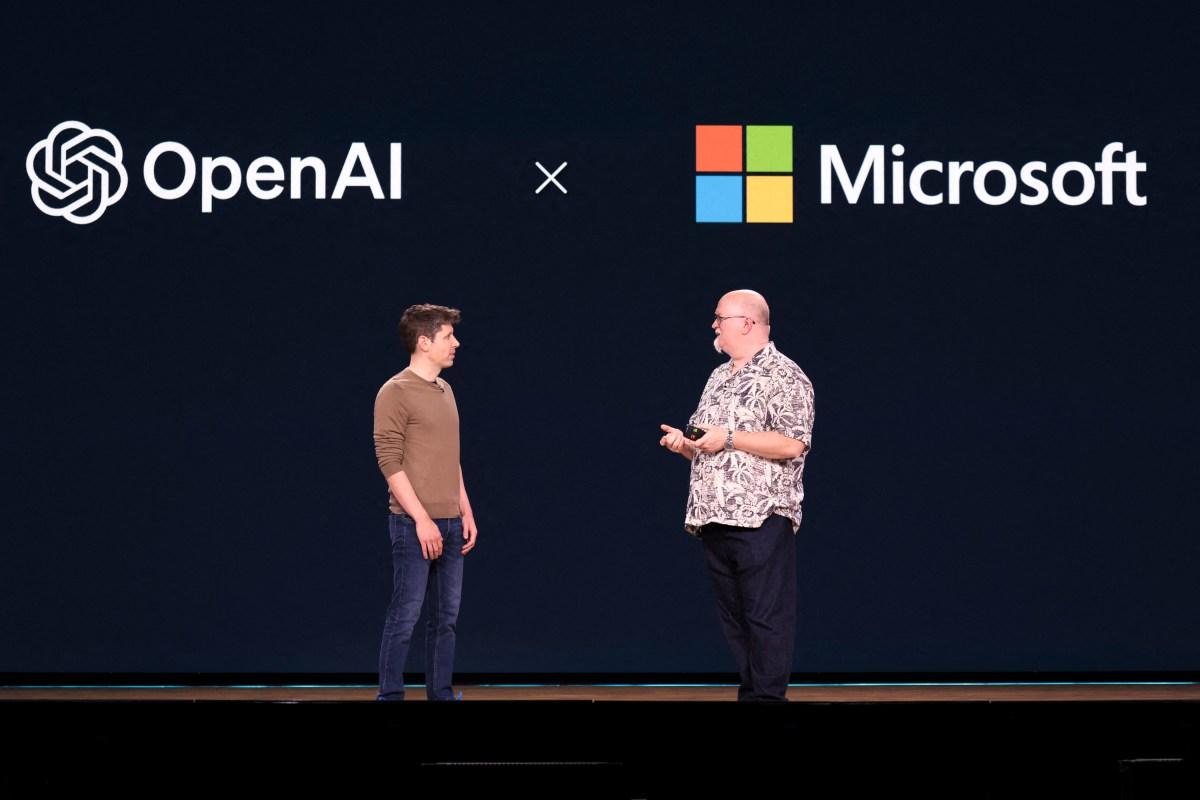

Discover the top AI tools handpicked daily by our editors to help you stay ahead with the latest and most innovative solutions.