Join Our Community










Get the earliest access to hand-picked content weekly for free.
Spam-free guaranteed! Only insights.
Join Our Community
Get the earliest access to hand-picked content weekly for free.
Spam-free guaranteed! Only insights.

🎯 Quick Impact Summary
Cursor, the AI-powered coding assistant, has taken a significant leap forward in the competitive landscape of developer tools by implementing real-time reinforcement learning to enhance its code suggestions. This innovative approach allows the tool to continuously learn from developer interactions, creating a more personalized and efficient coding experience.
Unlike traditional AI coding assistants that rely on pre-trained models with occasional updates, Cursor's implementation of real-time learning means that the system adapts to individual developers' coding styles, preferences, and patterns as they work. This creates a virtuous feedback loop where each interaction improves future suggestions, making the tool increasingly valuable over time.
The technology works by analyzing how developers interact with suggestions—whether they accept them as-is, modify them, or reject them entirely—and uses these signals to refine its understanding of what constitutes helpful code in different contexts. This approach represents a fundamental shift in how AI coding assistants operate, moving from static suggestion models to dynamic, personalized assistance.
Cursor's implementation of real-time reinforcement learning is built on sophisticated machine learning techniques that allow for rapid adaptation. The system processes feedback signals from user interactions without requiring explicit ratings or feedback forms, making the learning process seamless and non-intrusive for developers.
The reinforcement learning model uses a combination of immediate feedback (whether a suggestion was accepted) and delayed feedback (whether the code was later modified or removed) to build a comprehensive understanding of suggestion quality. This multi-layered approach helps the system distinguish between suggestions that appear helpful initially but might cause problems later in the development process.
What makes Cursor's approach particularly powerful is its ability to learn at multiple levels simultaneously. The system can identify patterns specific to individual developers, project types, programming languages, and even particular code contexts. This granular learning capability enables increasingly precise suggestions that align with both universal best practices and individual preferences.
According to Cursor's team, this real-time learning capability has significantly reduced the number of suggestions that require manual correction, leading to measurable productivity improvements for developers using the platform.
The implementation of real-time reinforcement learning gives Cursor a potential edge in the increasingly crowded market of AI coding assistants. While major players like GitHub Copilot (backed by Microsoft and OpenAI) and Amazon's CodeWhisperer have larger corporate resources, Cursor's focus on adaptive learning addresses a key pain point for developers: the frustration of receiving suggestions that don't match their coding style or project needs.
This approach also helps Cursor differentiate itself from open-source alternatives that may offer similar baseline capabilities but lack the sophisticated learning mechanisms to improve over time. By creating a tool that becomes increasingly personalized with use, Cursor is building a product with potential for strong user retention and loyalty.
Industry analysts note that this innovation comes at a critical time in the evolution of AI coding tools, as the market begins to mature beyond the initial excitement of basic code completion. As developers become more discerning about which AI assistants truly enhance their workflow versus those that create additional work through inappropriate suggestions, Cursor's learning-focused approach positions it well for the next phase of competition.
The company has indicated that future updates will expand the scope of what the system learns from, potentially incorporating feedback from code reviews, testing outcomes, and other downstream development processes to further refine its suggestion algorithms.
As AI continues to transform software development, tools like Cursor represent the next evolution in how these technologies can enhance developer productivity. The shift from static, one-size-fits-all suggestions to dynamic, personalized assistance mirrors broader trends in AI toward more adaptive and contextually aware systems.
For developers, the implications are significant. Rather than having to adapt their workflow to accommodate AI tools, these new adaptive systems begin to conform to developers' existing patterns and preferences. This reduces the cognitive overhead of working with AI assistants and allows developers to maintain their established practices while still benefiting from AI-powered productivity enhancements.
Looking ahead, we can expect to see this trend toward personalization and real-time learning expand across the development toolchain. From IDE features to testing frameworks and deployment systems, the ability to learn from user behavior and adapt accordingly will likely become a standard feature of next-generation development tools.
Cursor's innovation serves as an important milestone in this evolution, demonstrating how reinforcement learning can be effectively applied to create more intelligent, responsive developer assistance. As competition in this space intensifies, the winners will likely be those tools that can most effectively learn from and adapt to the developers they serve.
FAQ
AI Spotlights
Unleashing Today's trailblazer, this week's game-changers, and this month's legends in AI. Dive in and discover tools that matter.
OpenAI Codex Chrome Extension Review

Perplexity Personal Computer: AI Agents for Mac

OpenAI Voice Intelligence API: New Features Review

ChatGPT Trusted Contact: New Self-Harm Safeguard
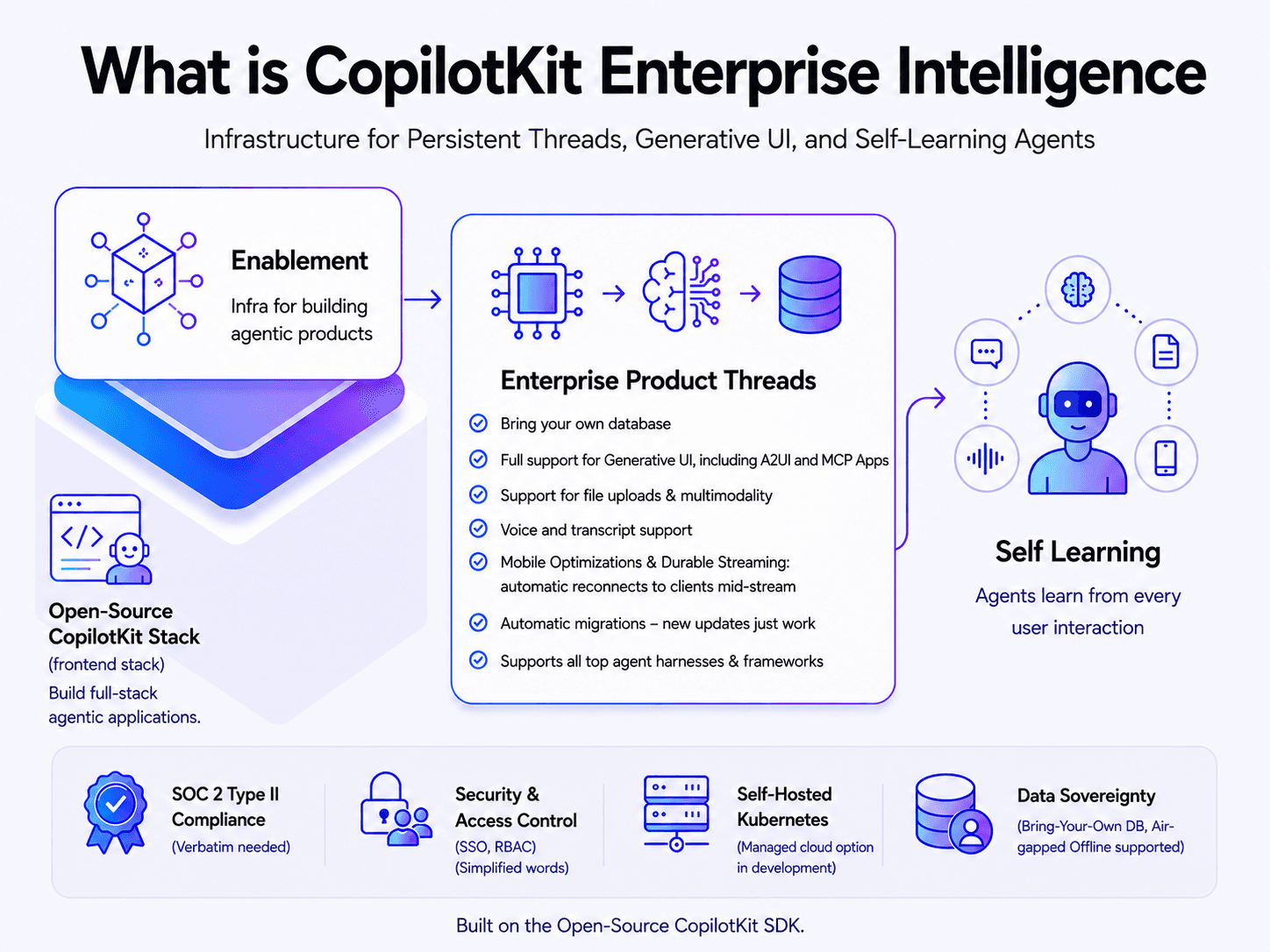
CopilotKit Intelligence: Enterprise AI Memory Platform
OpenAI Training Spec: GPU Performance Breakthrough
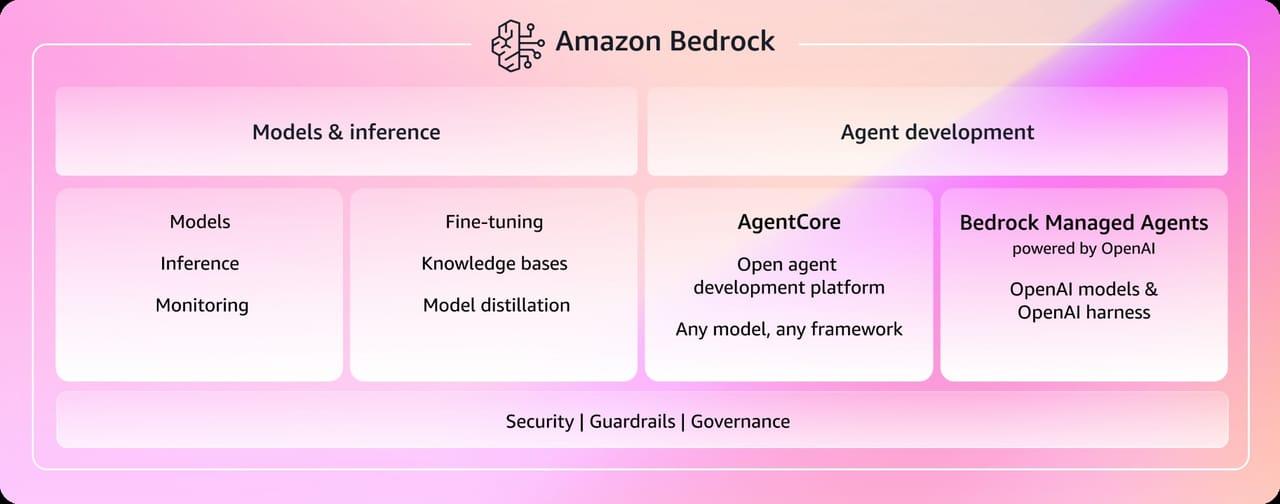
AWS Managed Agents Review: OpenAI Partnership

Glean AI Search Review: Enterprise Search Redefined
ChatGPT Security Update: Advanced Protection Features
Mistral's Cloud Code Platform Review
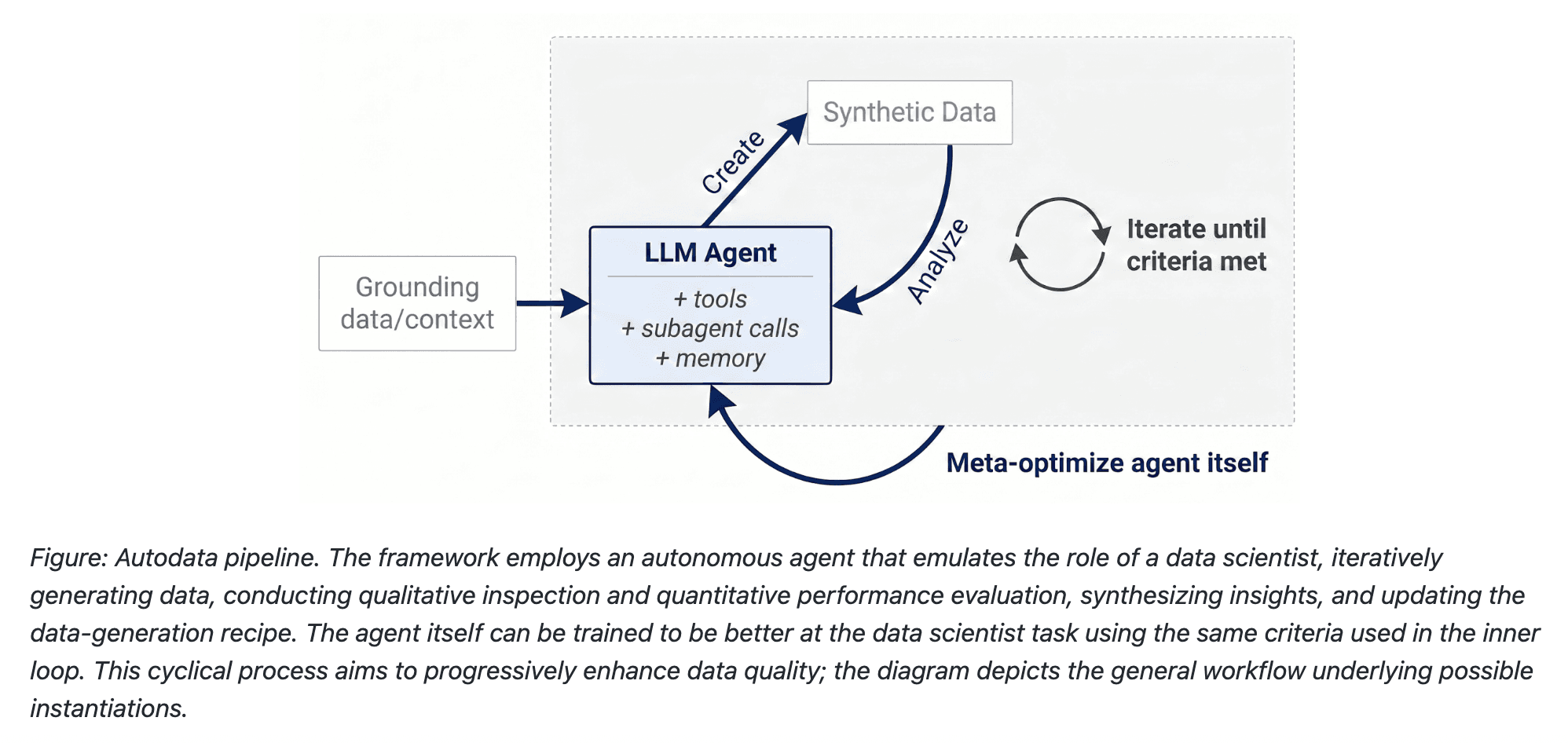
Meta Autodata: AI Framework for Autonomous Data Scientists
Gemini API Webhooks: Real-Time AI Automation
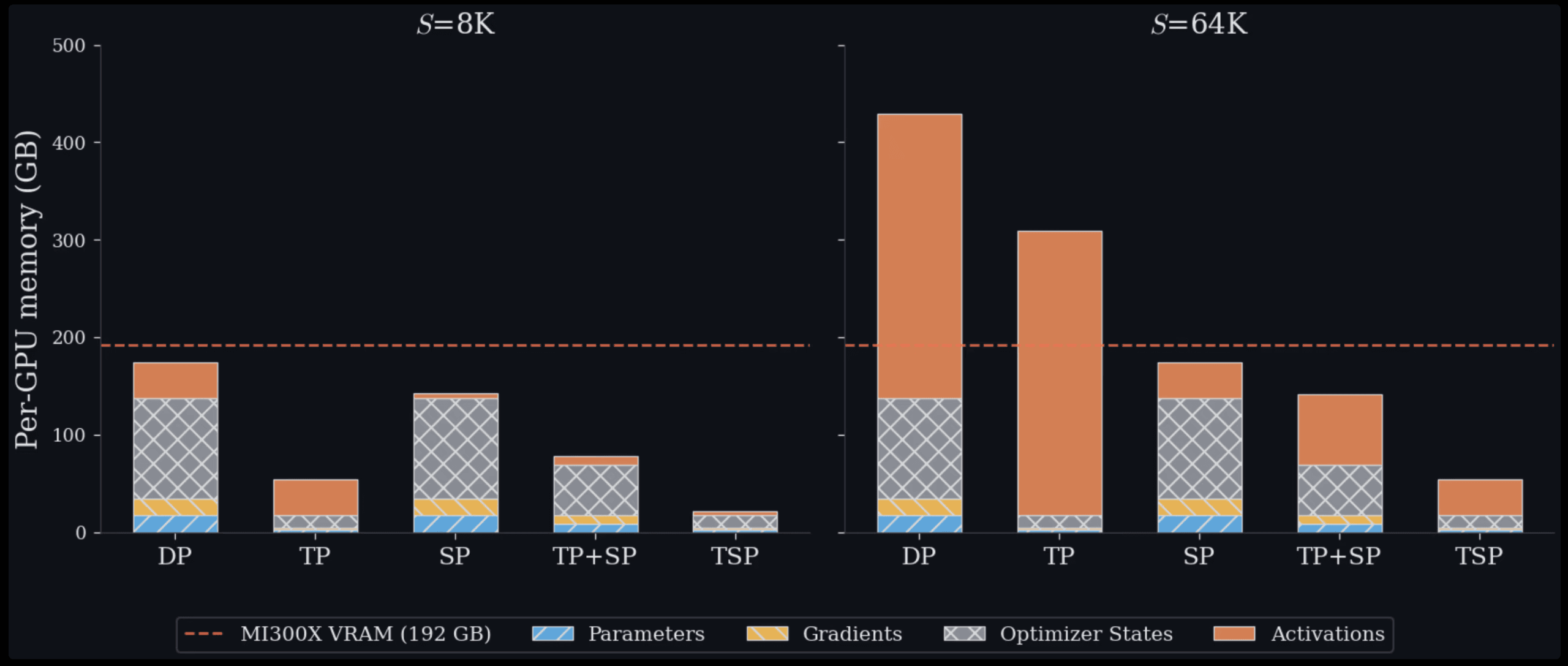
Zyphra TSP: 2.6x Faster AI Training Review

SoundHound OASYS: Self-Learning AI Agent Platform

Google Home Gemini 3.1: Smarter AI Assistant
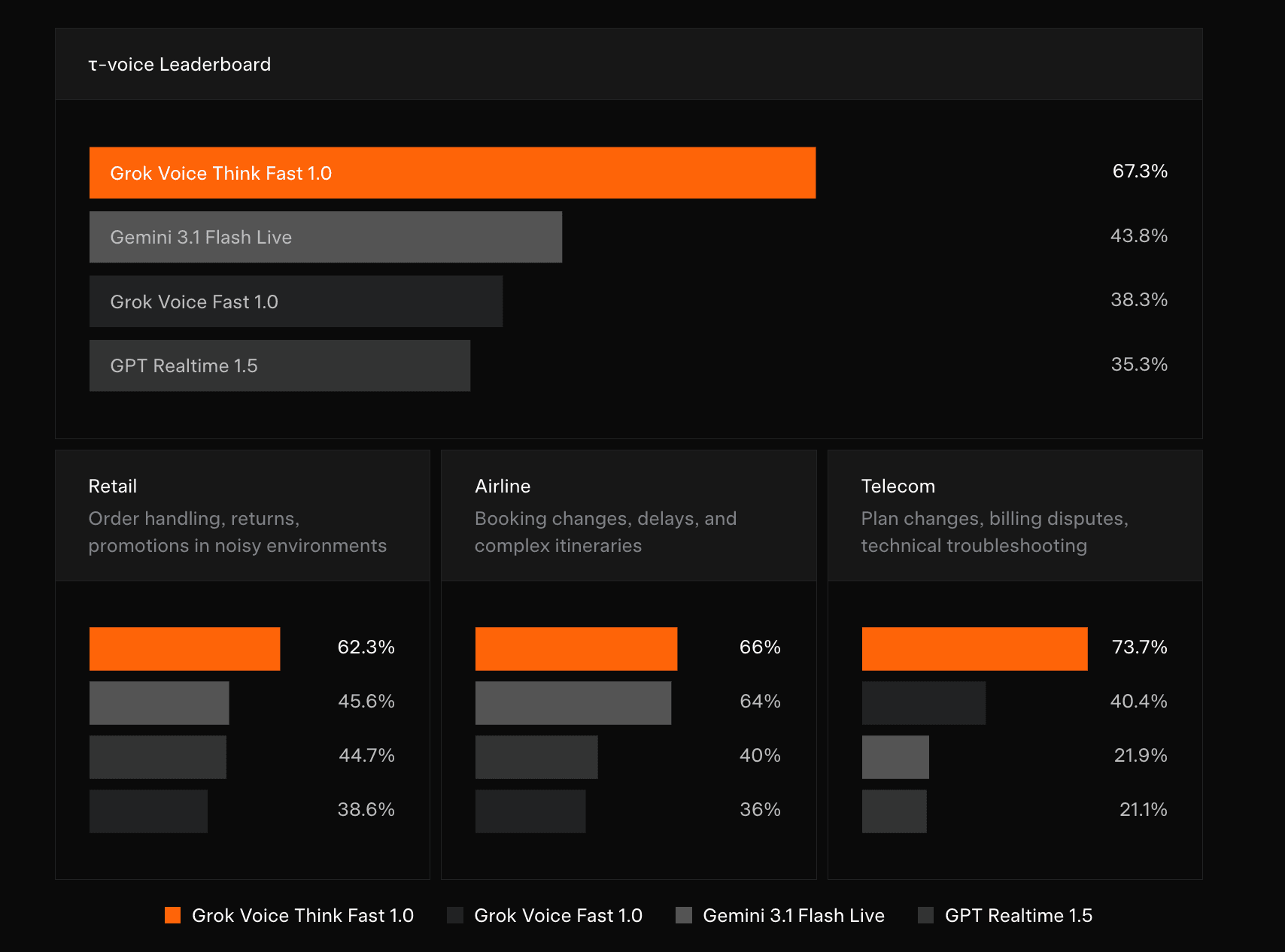
Grok Voice Think Fast 1.0 Review: AI Voice
Vision Banana Review: Google's Instruction-Tuned Image Generator
GitNexus Review: Open-Source Code Knowledge Graph
Qwen3.6-27B Review: Dense Model Outperforms 397B MoE

ChatGPT Workspace Agents: Custom AI Bots for Teams
You Might Like These Latest News
All AI NewsStay informed with the latest AI news, breakthroughs, trends, and updates shaping the future of artificial intelligence.
AI Voice Assistants Transform Office Work Culture
May 11, 2026
Anthropic: Fictional AI Portrayals Shaped Claude's Behavior
May 11, 2026
AI Data Centers Face Growing Crisis
May 10, 2026
SpaceX Plans $55B AI Chip Plant in Texas
May 8, 2026
Voi Founders Launch AI Startup Pit With $16M Seed
May 8, 2026
US Energy Secretary and NVIDIA Discuss AI-Powered Energy Future
May 8, 2026
Anthropic Finance Agents Disrupt Wall Street Jobs
May 7, 2026
Snap Ends $400M Perplexity AI Search Deal
May 7, 2026
Microsoft Copilot Hits 20M Paid Users
May 6, 2026

Discover the top AI tools handpicked daily by our editors to help you stay ahead with the latest and most innovative solutions.