









Age of AI Toolsv2.beta
For YouJobsUse Cases
Media-HubNEW

Join Our Community

Get the earliest access to hand-picked content weekly for free.

Spam-free guaranteed! Only insights.

Join Our Community

Get the earliest access to hand-picked content weekly for free.

Spam-free guaranteed! Only insights.

Trusted by Leading Review and Discovery Websites

Age of AI Tools on Product HuntApproved on SaaSHubAlternativeTo
AI Tools
  • For You!
  • Discover All AI Tools
  • Best AI Tools
  • Free AI Tools
  • Tools of the DayNEW
  • All Use Cases
  • All Jobs
Trend UseCases
  • AI Image Generators
  • AI Video Generators
  • AI Voice Generators
Trend Jobs
  • Graphic Designer
  • SEO Specialist
  • Email Marketing Specialist
Media Hub
  • Go to Media Hub
  • AI News
  • AI Tools Spotlights
Age of AI Tools
  • What's New
  • Story of Age of AI Tools
  • Cookies & Privacy
  • Terms & Conditions
  • Request Update
  • Bug Report
  • Contact Us
Submit & Advertise
  • Submit AI Tool
  • Promote Your Tool50% Off

Agent of AI Age

Looking to discover new AI tools? Just ask our AI Agent

Copyright © 2026 Age of AI Tools. All Rights Reserved.

Media HubTools SpotlightClaude Opus 4.7 Review: Enterprise AI Without Hallucinations
17 Apr 20265 min read

Claude Opus 4.7 Review: Enterprise AI Without Hallucinations

Claude Opus 4.7 Review: Enterprise AI Without Hallucinations

🎯 Quick Impact Summary

Anthropichas released Claude Opus 4.7, a model engineered specifically to address enterprise obstacles that have plagued AI deployments. By focusing on reducing hallucinations and tackling model drift, this version prioritizes reliability and consistency over raw performance metrics. For organizations building production systems, this represents a meaningful shift toward AI they can actually depend on.

What's New in Claude Opus 4.7

Claude Opus 4.7 introduces refinements designed to solve real enterprise challenges rather than chase benchmark records. The model maintains strong capabilities while dramatically improving stability and trustworthiness.

  • Reduced Hallucination Rate: The model generates fewer false or fabricated details, critical for applications where accuracy directly impacts business decisions or customer trust.
  • Model Drift Mitigation: Improved consistency across multiple runs with identical prompts, preventing unpredictable behavior changes over time.
  • Enterprise-Grade Reliability: Built specifically to address obstacles that derail AI implementations in production environments, not just laboratory settings.
  • Maintained Reasoning Capability: Preserves strong performance on complex reasoning tasks while improving factual grounding and output stability.
  • Improved Context Handling: Better management of long documents and complex information structures without degradation in quality or consistency.

Technical Specifications

Claude Opus 4.7 maintains the architectural foundation of previous versions while incorporating refinements specifically targeting reliability metrics.

  • Model Architecture: Built on Anthropic's Constitutional AI framework, designed to reduce harmful outputs and improve factual accuracy through systematic training approaches.
  • Context Window: Supports extended context processing for handling large documents, codebases, and complex information structures without performance degradation.
  • Inference Optimization: Improved token efficiency and response generation speed compared to previous iterations, reducing latency in production deployments.
  • Safety Mechanisms: Enhanced filtering and consistency checks to prevent model drift and reduce the probability of hallucinated outputs across diverse use cases.
  • Integration Compatibility: Maintains API compatibility with existing Claude implementations, enabling straightforward upgrades from previous versions.

Official Benefits

  • Reduced Hallucination Rate: Fewer fabricated facts and false details mean lower risk of misinformation propagating through business processes or customer interactions.
  • Improved Consistency: Model drift elimination ensures identical prompts produce reliable, predictable outputs across different sessions and deployment contexts.
  • Enterprise Reliability: Purpose-built to solve production obstacles, making it suitable for mission-critical applications where unpredictability creates liability.
  • Maintained Performance: Preserves strong reasoning and language understanding capabilities while improving factual grounding and output stability.
  • Lower Operational Risk: Reduced need for extensive output validation and fact-checking, decreasing time spent on quality assurance and error correction.

Real-World Translation

What Each Feature Actually Means:

  • Reduced Hallucination Rate: When a legal AI assistant summarizes contracts, it won't invent clauses that don't exist. A financial advisor won't fabricate historical stock prices. Medical documentation systems won't create fictional patient symptoms. This means less time spent verifying outputs and more confidence in the system's reliability.
  • Model Drift Mitigation: Your customer service chatbot behaves consistently whether it's Tuesday or Friday, whether it's processed 100 queries or 10,000. A content moderation system applies the same standards across all decisions. This eliminates the frustrating experience of a model working perfectly in testing but behaving unpredictably in production.
  • Enterprise-Grade Reliability: Instead of treating AI as an experimental tool requiring constant human oversight, teams can integrate Claude Opus 4.7 into workflows where it handles routine tasks with minimal verification. A research team can use it to summarize scientific papers without fact-checking every citation. A compliance team can trust it to flag regulatory concerns.
  • Maintained Reasoning Capability: Complex problem-solving still works. The model can still break down intricate scenarios, analyze multi-step processes, and provide nuanced recommendations. You're not sacrificing capability for stability.
  • Improved Context Handling: Feed the model an entire codebase, a 100-page regulatory document, or a complex research paper. It processes the full context without losing information or degrading in quality, enabling more sophisticated analysis and more accurate outputs.

Before vs After

Before

Previous Claude versions sometimes generated plausible-sounding but false information, creating validation bottlenecks in production systems. Model behavior could shift unpredictably across sessions, forcing teams to implement extensive quality checks. Enterprise deployments required significant human oversight to catch hallucinations and ensure consistency.

After

Claude Opus 4.7 dramatically reduces hallucinations through improved training and consistency mechanisms, enabling more direct integration into business processes. Model drift is substantially mitigated, meaning identical inputs produce reliable outputs across different times and contexts. Teams can deploy the model with greater confidence, reducing validation overhead and accelerating time-to-value.

📈 Expected Impact: Organizations can reduce AI output validation time by 40-60% while improving overall reliability and trustworthiness in production deployments.

Job Relevance Analysis

3D Modeler

MEDIUM Impact
  • Use Case: 3D modelers can use Claude Opus 4.7 to generate detailed descriptions for 3D asset creation, provide creative direction for modeling projects, and assist in documentation for complex architectural or product designs.
  • Key Benefit: Reduced hallucinations mean accurate technical specifications and creative briefs without fabricated details that could derail modeling projects or waste production time.
  • Workflow Integration: Integrate Claude into asset management pipelines to generate metadata, create modeling guidelines, or provide creative feedback on design iterations without manual verification overhead.
  • Skill Development: Working with Claude Opus 4.7 helps modelers develop skills in AI-assisted creative direction, prompt engineering for technical specifications, and understanding how to leverage AI for documentation and planning.
  • Practical Application: A modeler working on architectural visualization can feed the model building specifications and receive consistent, accurate descriptions for creating photorealistic 3D environments without worrying about fabricated architectural details.
3D Modeler

Create beautiful 3D renders in minutes with AI tools for 3D design, characters, animation, and VR.

2,644 Tools
3D Modeler

AI Researcher

HIGH Impact
  • Use Case: AI researchers use Claude Opus 4.7 to analyze research papers, synthesize literature reviews, evaluate experimental methodologies, and provide technical feedback on model architectures and training approaches.
  • Key Benefit: Improved consistency and reduced hallucinations mean researchers can trust the model's analysis of existing work, enabling more reliable literature synthesis and reducing time spent fact-checking AI-generated summaries.
  • Workflow Integration: Researchers can integrate Claude into their analysis pipeline for rapid paper summarization, methodology evaluation, and technical writing assistance, with confidence that the model won't fabricate citations or misrepresent findings.
  • Skill Development: Working with Claude Opus 4.7 helps researchers develop expertise in AI-assisted research, understanding model limitations, and leveraging large language models for technical analysis and knowledge synthesis.
  • Practical Application: An AI researcher reviewing 50 papers on transformer architectures can use Claude to generate comparative summaries and identify methodological patterns, trusting that the model won't invent non-existent papers or misattribute findings.
AI Researcher

Advance innovation with AI tools for academic research, data analysis, knowledge representation, decision-making, and AI-powered chatbots.

6,692 Tools
AI Researcher

Architect

HIGH Impact
  • Use Case: Architects use Claude Opus 4.7 to generate design specifications, analyze building codes and regulations, create project documentation, and provide technical feedback on design concepts and construction methodologies.
  • Key Benefit: Reduced hallucinations are critical for architects, where fabricated building codes or invented specifications could create legal liability or construction delays. Consistency ensures reliable compliance documentation.
  • Workflow Integration: Architects can integrate Claude into design workflows for rapid specification generation, code compliance checking, and documentation creation, with confidence that outputs accurately reflect actual regulations and requirements.
  • Skill Development: Working with Claude helps architects develop skills in AI-assisted design documentation, understanding how to prompt for accurate technical specifications, and leveraging AI for regulatory compliance verification.
  • Practical Application: An architect designing a commercial building can use Claude to generate zoning compliance documentation and building code analysis, trusting that the model won't invent regulations or create specifications that don't align with actual requirements.
Architect

uses AI for 3D printing and rendering, rendering for interiors, architectural renderings for meetings, layouts of homes, visualization.

2,429 Tools
Architect

Getting Started

How to Access

  • Visit Anthropic's Platform: Navigate to console.anthropic.com and log in with your Anthropic account credentials.
  • Select Claude Opus 4.7: Choose Claude Opus 4.7 from the available model options in the API or web interface.
  • Configure Your Integration: Set up API keys, establish rate limits, and configure any necessary security parameters for your deployment environment.
  • Begin Testing: Start with simple prompts to verify model behavior, then gradually increase complexity as you validate outputs for your specific use case.

Quick Start Guide

For Beginners:

  1. Create an Anthropic account at console.anthropic.com and generate an API key from your account settings.
  2. Install the Anthropic Python SDK using pip: pip install anthropic
  3. Write a simple test script that sends a prompt to Claude Opus 4.7 and prints the response to verify connectivity and basic functionality.
  4. Experiment with different prompt styles to understand how the model responds to your specific use cases and requirements.

For Power Users:

  1. Configure advanced parameters including temperature settings (0.0 for deterministic outputs, 1.0 for creative responses) and max_tokens to control response length and consistency.
  2. Implement batch processing for large-scale deployments, using Claude Opus 4.7's improved efficiency to handle high-volume requests with reduced latency.
  3. Set up monitoring and logging to track hallucination rates, model drift, and output quality metrics across your production deployments.
  4. Create custom validation pipelines that leverage Claude's improved consistency to reduce false positives in quality assurance workflows.
  5. Integrate with your existing tools and platforms using webhooks, scheduled jobs, or real-time API calls depending on your architecture requirements.

Pro Tips

  • Leverage Consistency: Use Claude Opus 4.7's improved consistency for deterministic tasks like data extraction, compliance checking, and specification generation where predictable outputs are essential.
  • Validate Strategically: While hallucinations are reduced, implement targeted validation for high-stakes decisions (legal, medical, financial) rather than validating all outputs indiscriminately.
  • Monitor Drift: Set up logging to track model behavior over time, enabling you to detect any unexpected changes and verify that consistency improvements persist in production.
  • Optimize Prompts: Provide clear context and specific instructions to maximize the model's reliability. Well-structured prompts reduce ambiguity and improve output quality significantly.

FAQ

Related Topics

Claude Opus 4.7 reviewAnthropic Claudeenterprise AI modelshallucination reduction

Table of contents

What's New in Claude Opus 4.7Technical SpecificationsOfficial BenefitsReal-World TranslationJob Relevance AnalysisGetting StartedFAQ
Impact LevelMEDIUM
Update ReleasedApril 16, 2026

Best for

AI ResearcherArchitect3D Modeler

Related Use Cases

AI Creativity ToolsAI Art Creation ToolsAI Augmented Reality Tools

Related Articles

OpenAI Codex Chrome Extension Review
Perplexity Personal Computer: AI Agents for Mac
OpenAI Voice Intelligence API: New Features Review
All AI Spotlights

Editor's Pick Articles

Perplexity Personal Computer: AI Agents for Mac
Claude Personal App Connectors Review
ChatGPT Images 2.0 Review: Better Text & Details
All Articles
Special offer for AI Owners – 50% OFF Promotional Plans

Join Our Community

Get the earliest access to hand-picked content weekly for free.

Spam-free guaranteed! Only insights.

Follow Us on Socials

Don't Miss AI Topics

ai art generatorai voice generatorai text generatorai avatar generatorai designai writing assistantai audio generatorai content generatorai dubbingai graphic designai banner generatorai in dropshipping

AI Spotlights

Unleashing Today's trailblazer, this week's game-changers, and this month's legends in AI. Dive in and discover tools that matter.
All AI Spotlights
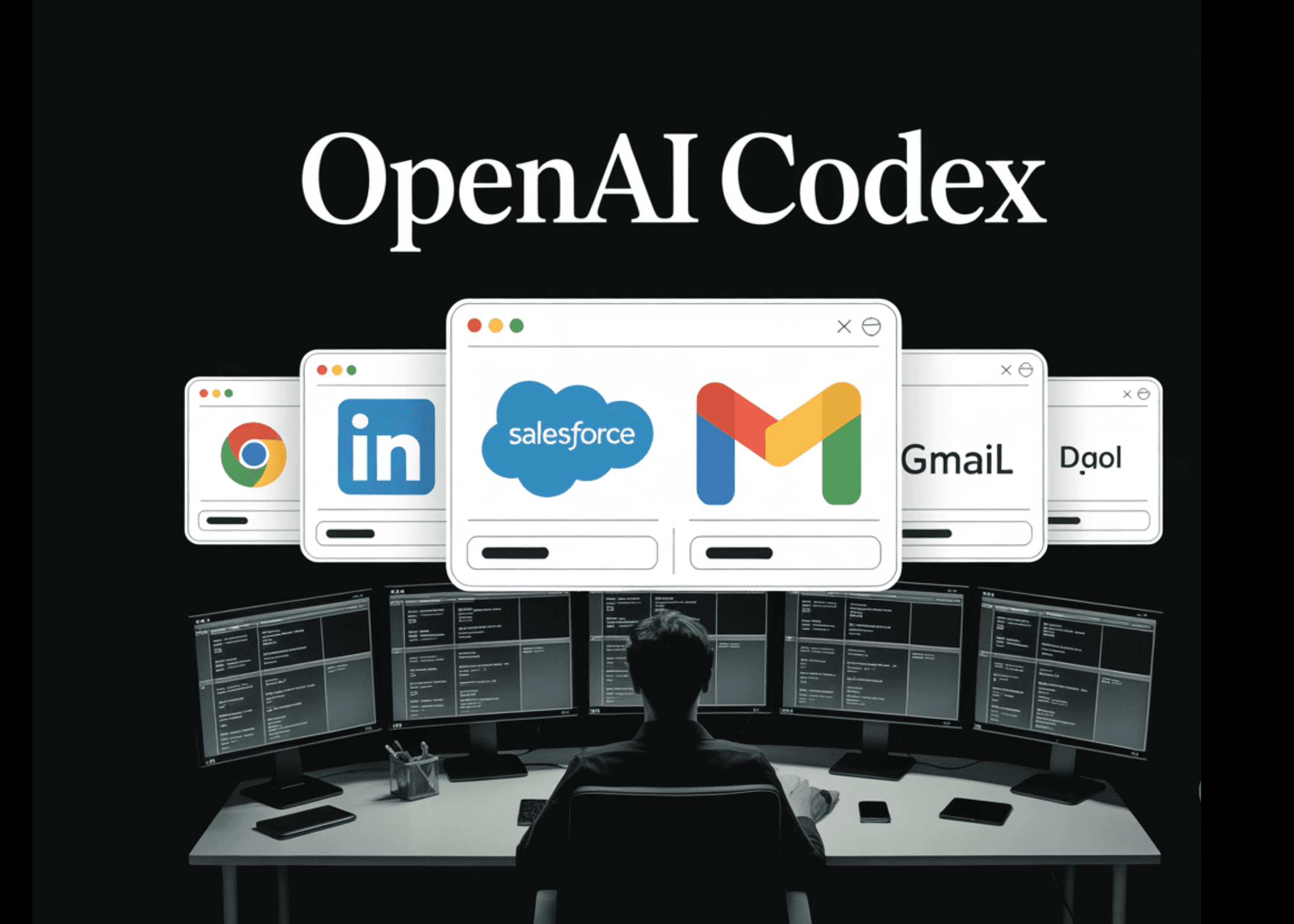
OpenAI Codex Chrome Extension Review

OpenAI Codex Chrome Extension Review

Perplexity Personal Computer: AI Agents for Mac
Perplexity Personal Computer: AI Agents for Mac

OpenAI Voice Intelligence API: New Features Review
OpenAI Voice Intelligence API: New Features Review

ChatGPT Trusted Contact: New Self-Harm Safeguard
ChatGPT Trusted Contact: New Self-Harm Safeguard

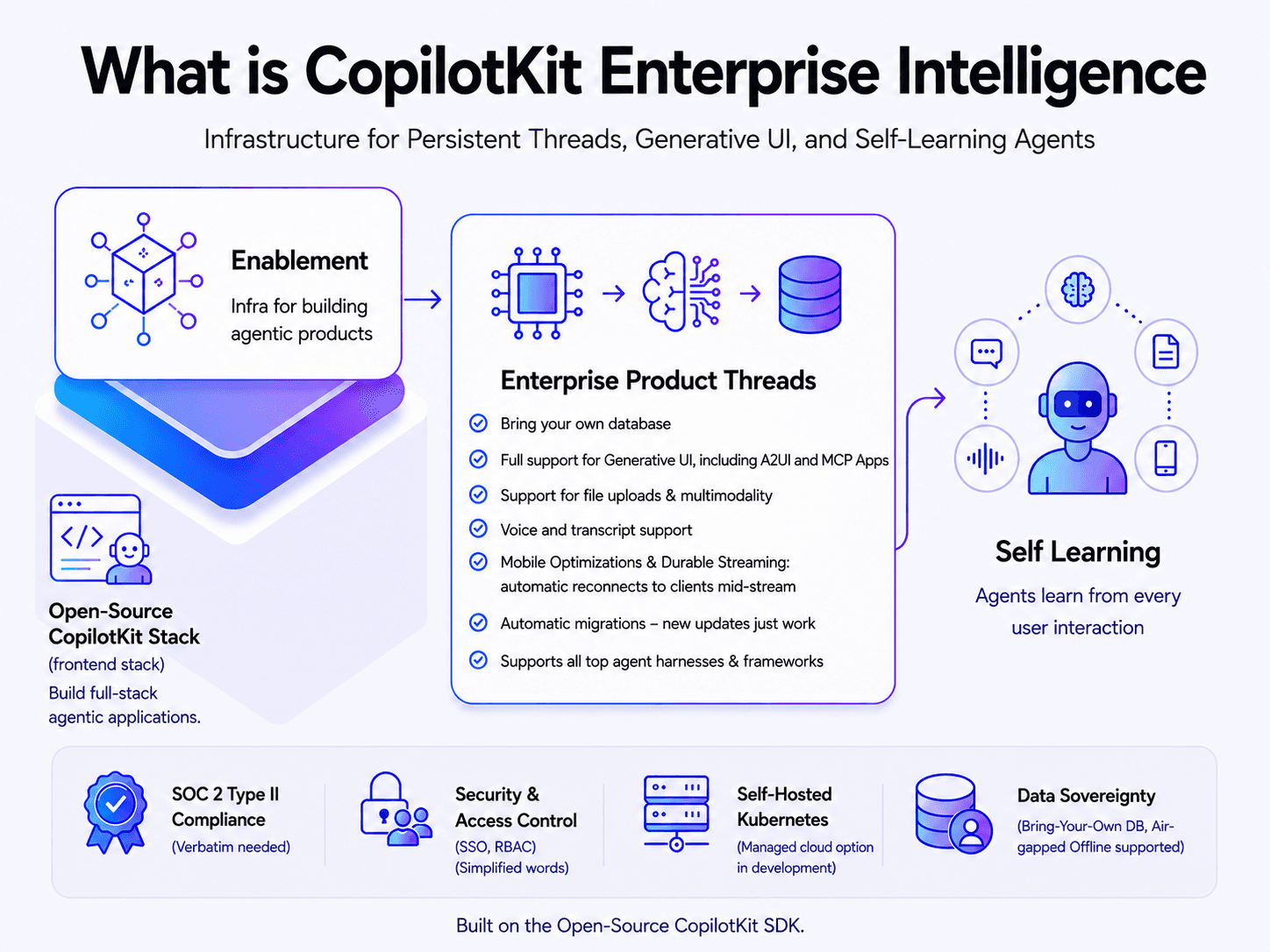
CopilotKit Intelligence: Enterprise AI Memory Platform
CopilotKit Intelligence: Enterprise AI Memory Platform

OpenAI Training Spec: GPU Performance Breakthrough
OpenAI Training Spec: GPU Performance Breakthrough

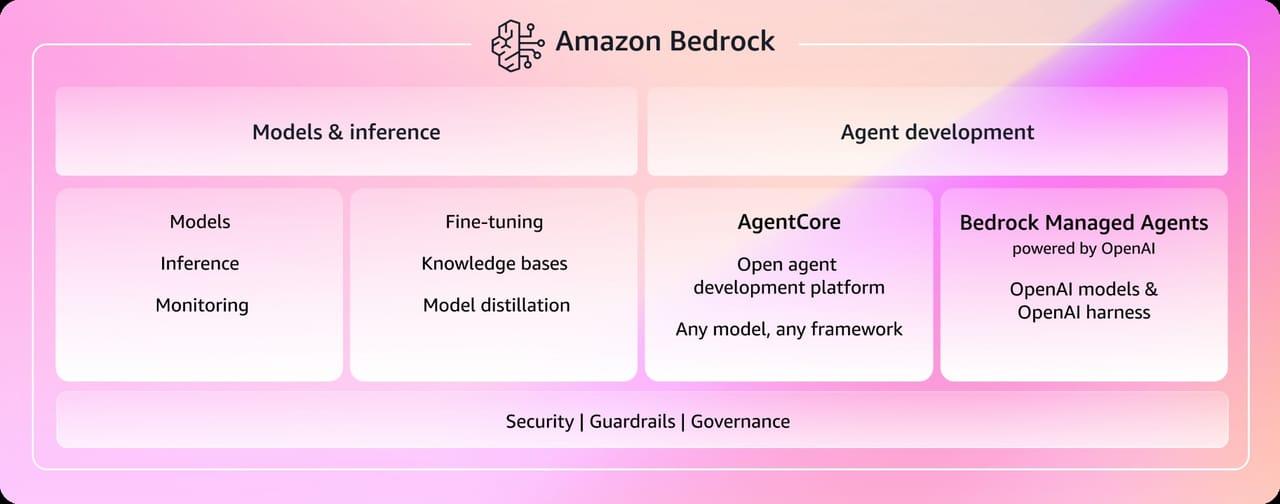
AWS Managed Agents Review: OpenAI Partnership

AWS Managed Agents Review: OpenAI Partnership

Glean AI Search Review: Enterprise Search Redefined

Glean AI Search Review: Enterprise Search Redefined

ChatGPT Security Update: Advanced Protection Features
ChatGPT Security Update: Advanced Protection Features

Mistral's Cloud Code Platform Review
Mistral's Cloud Code Platform Review

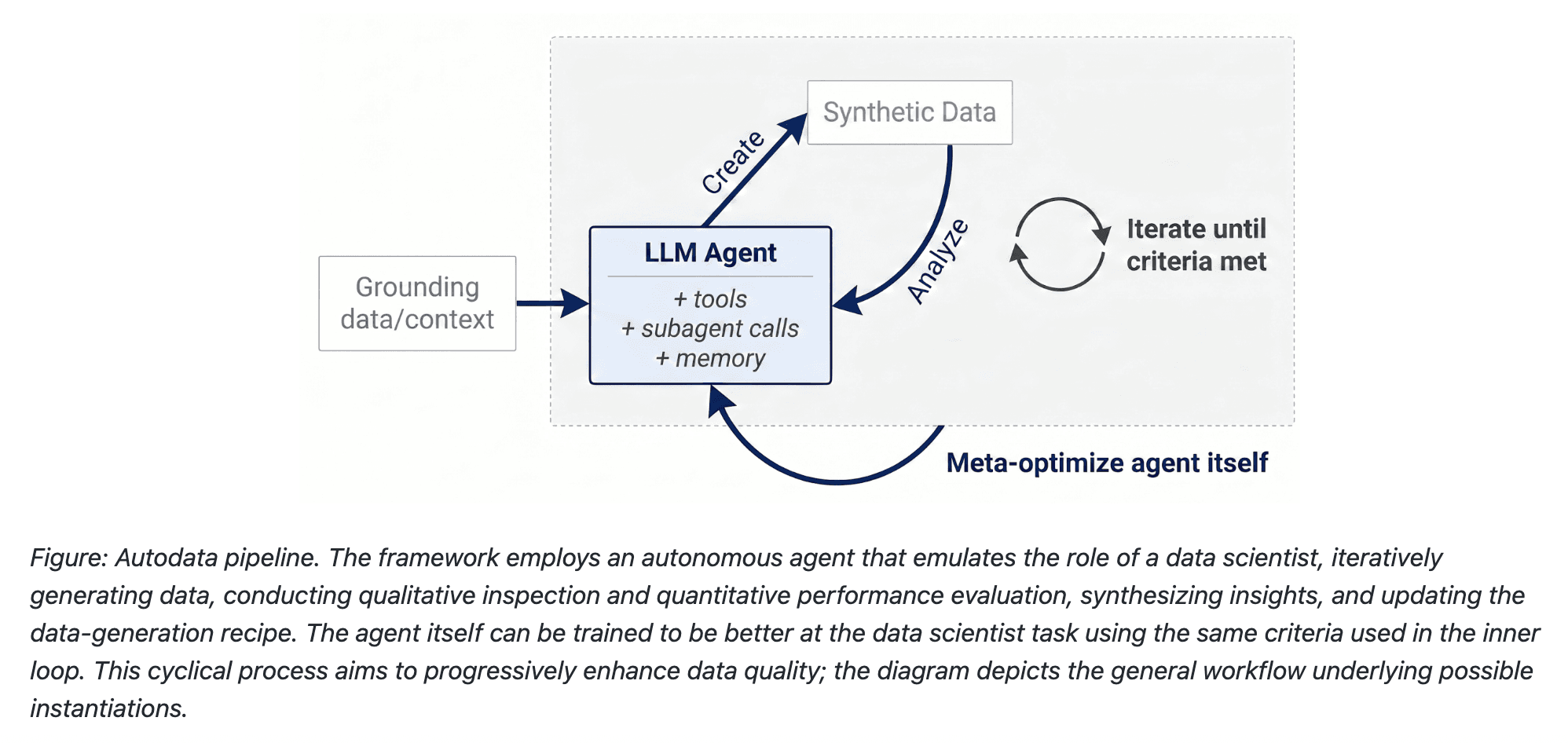
Meta Autodata: AI Framework for Autonomous Data Scientists

Meta Autodata: AI Framework for Autonomous Data Scientists

Gemini API Webhooks: Real-Time AI Automation
Gemini API Webhooks: Real-Time AI Automation

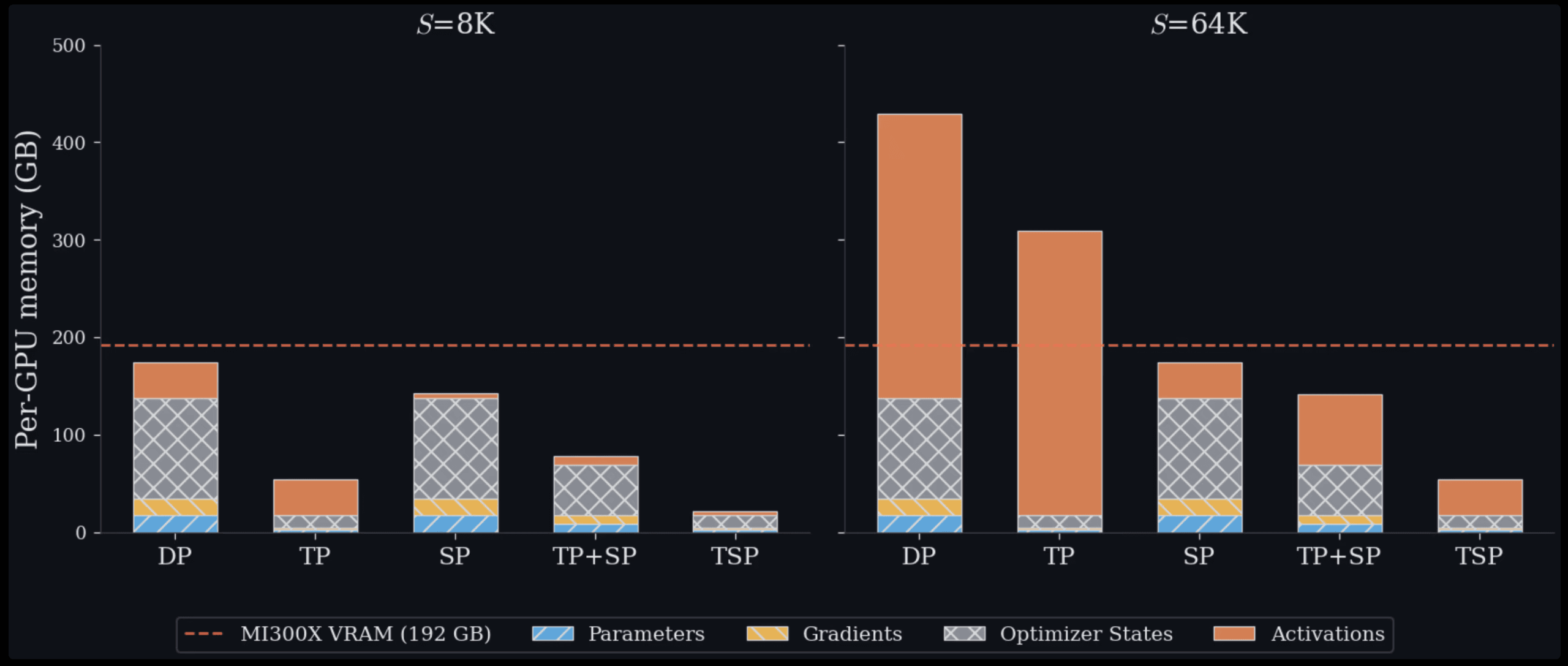
Zyphra TSP: 2.6x Faster AI Training Review

Zyphra TSP: 2.6x Faster AI Training Review

SoundHound OASYS: Self-Learning AI Agent Platform

SoundHound OASYS: Self-Learning AI Agent Platform

Google Home Gemini 3.1: Smarter AI Assistant
Google Home Gemini 3.1: Smarter AI Assistant

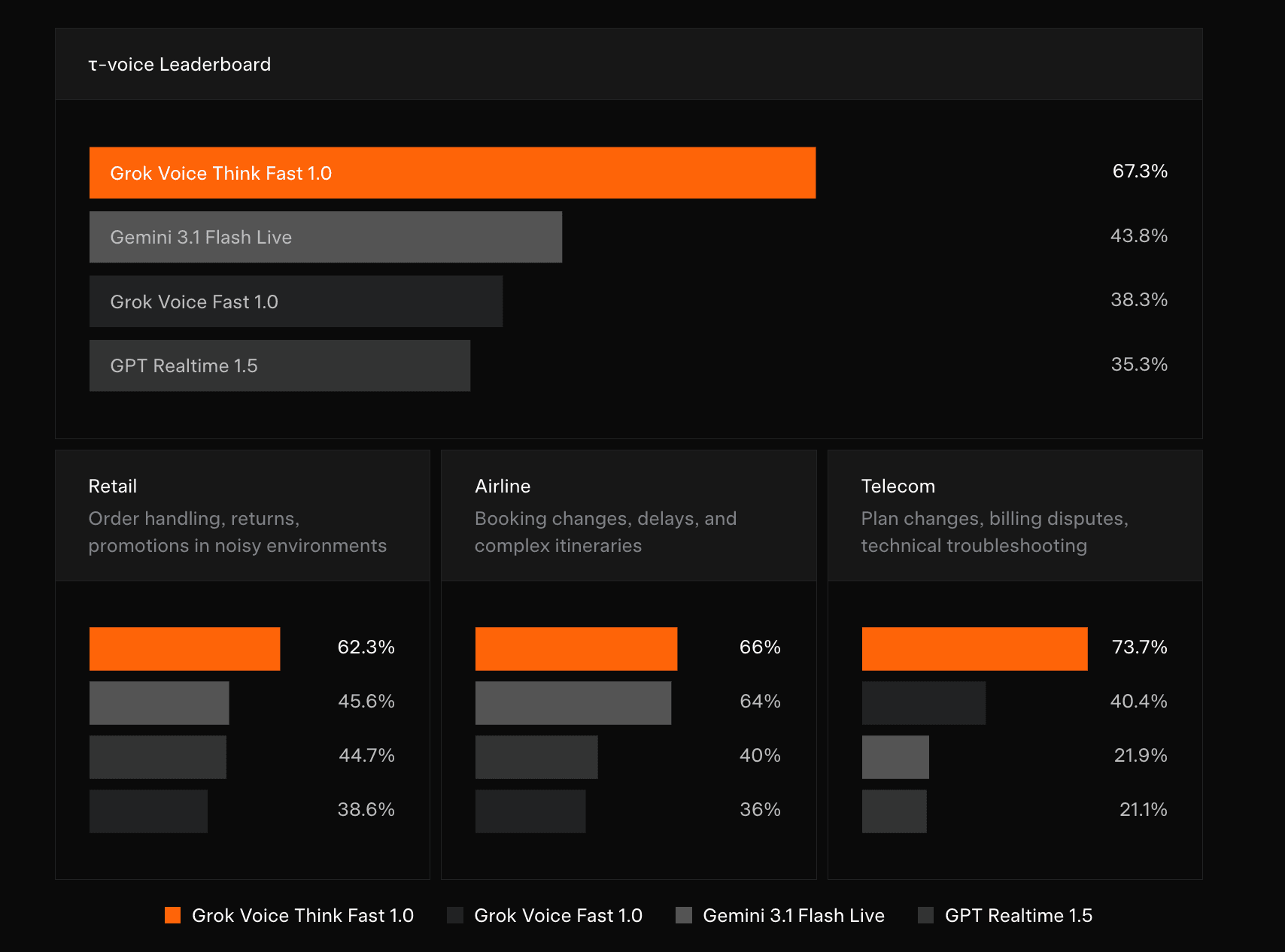
Grok Voice Think Fast 1.0 Review: AI Voice
Grok Voice Think Fast 1.0 Review: AI Voice

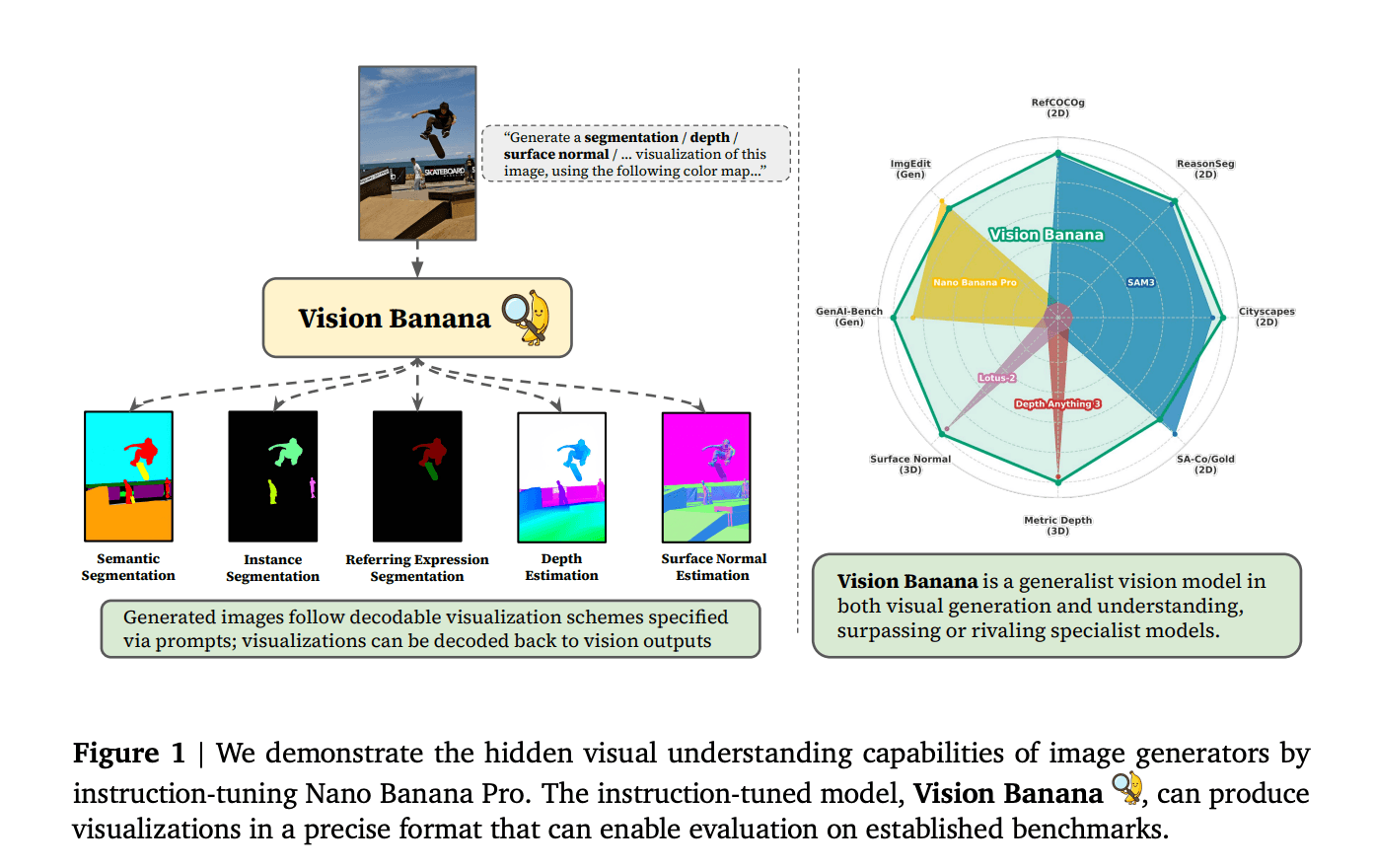
Vision Banana Review: Google's Instruction-Tuned Image Generator
Vision Banana Review: Google's Instruction-Tuned Image Generator

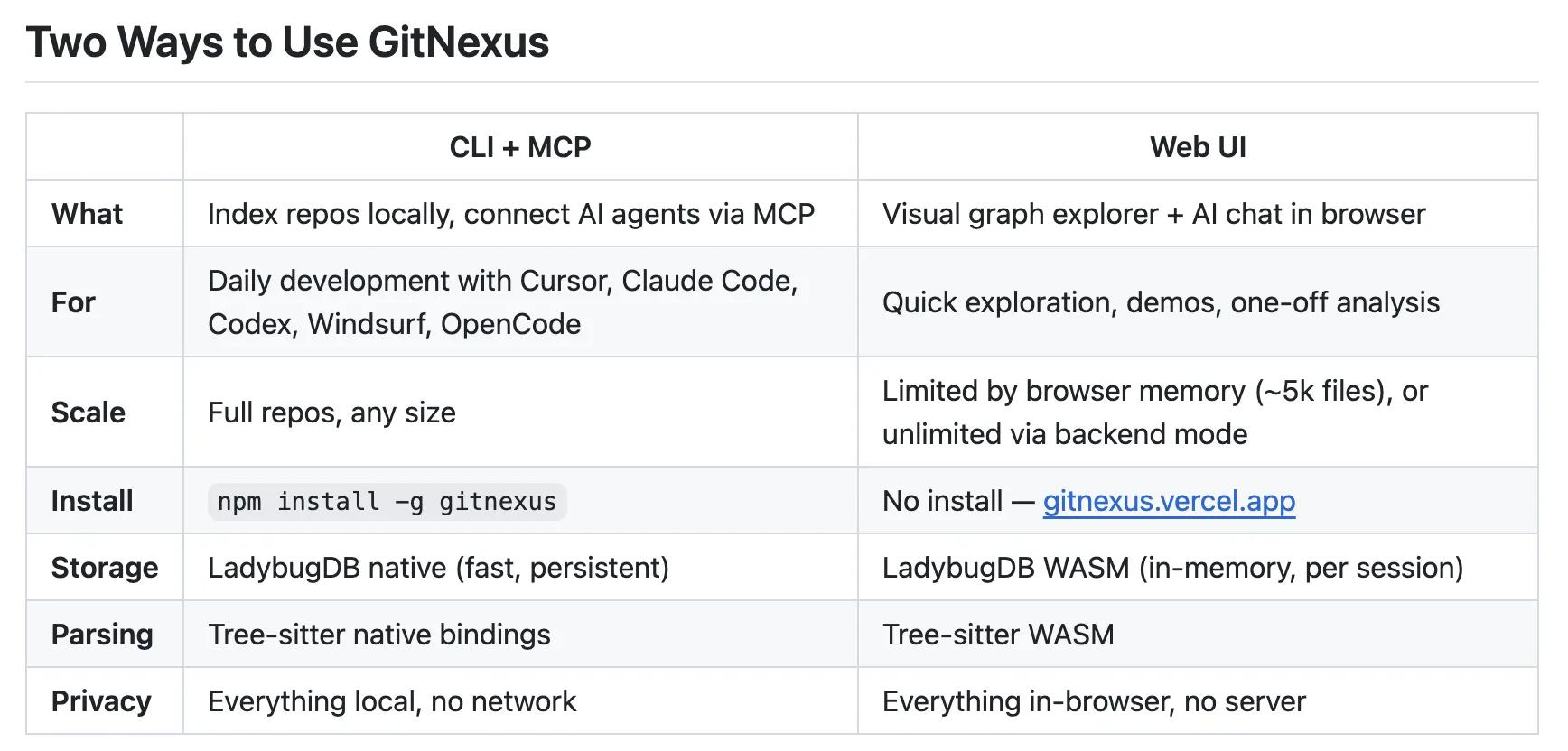
GitNexus Review: Open-Source Code Knowledge Graph
GitNexus Review: Open-Source Code Knowledge Graph

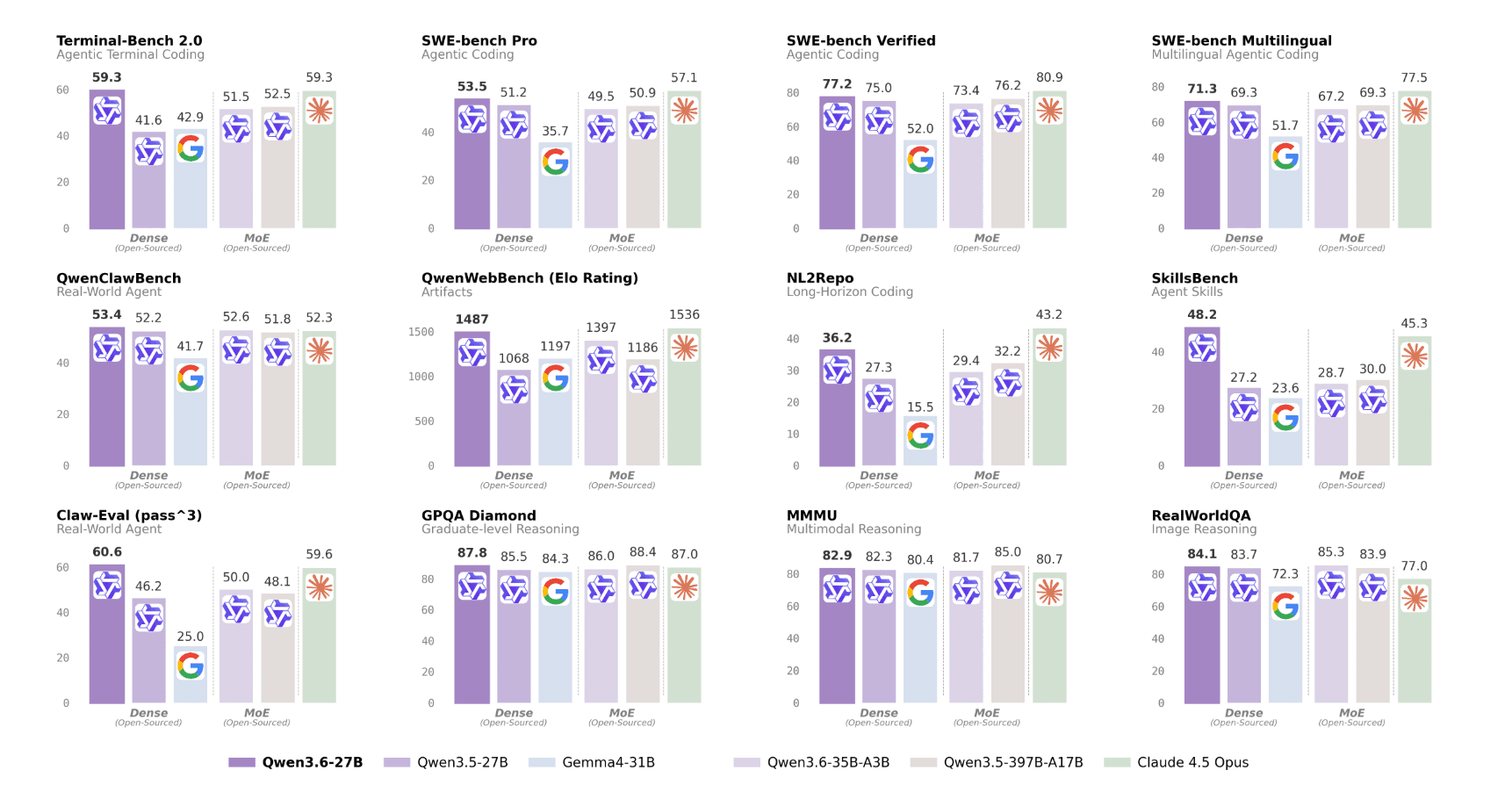
Qwen3.6-27B Review: Dense Model Outperforms 397B MoE

Qwen3.6-27B Review: Dense Model Outperforms 397B MoE

ChatGPT Workspace Agents: Custom AI Bots for Teams

ChatGPT Workspace Agents: Custom AI Bots for Teams

You Might Like These Latest News

All AI News

Stay informed with the latest AI news, breakthroughs, trends, and updates shaping the future of artificial intelligence.

AI Data Centers Face Growing Crisis

May 10, 2026

AI Data Centers Face Growing Crisis

SpaceX Plans $55B AI Chip Plant in Texas

May 8, 2026
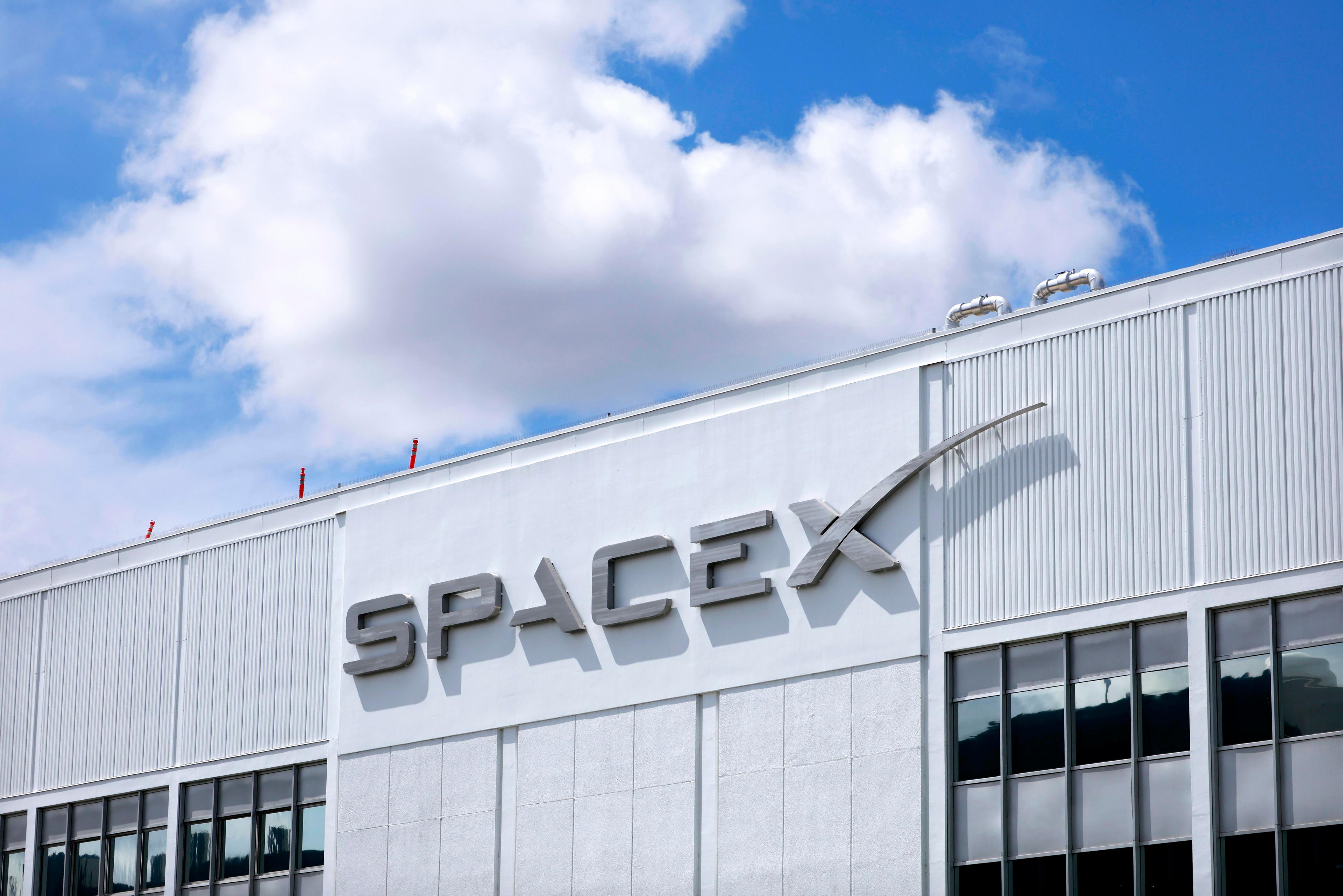
SpaceX Plans $55B AI Chip Plant in Texas

Voi Founders Launch AI Startup Pit With $16M Seed

May 8, 2026

Voi Founders Launch AI Startup Pit With $16M Seed

US Energy Secretary and NVIDIA Discuss AI-Powered Energy Future

May 8, 2026

US Energy Secretary and NVIDIA Discuss AI-Powered Energy Future

Anthropic Finance Agents Disrupt Wall Street Jobs

May 7, 2026

Anthropic Finance Agents Disrupt Wall Street Jobs

Snap Ends $400M Perplexity AI Search Deal

May 7, 2026

Snap Ends $400M Perplexity AI Search Deal

Microsoft Copilot Hits 20M Paid Users

May 6, 2026

Microsoft Copilot Hits 20M Paid Users

Runway Eyes World Models Beyond AI Video

May 6, 2026

Runway Eyes World Models Beyond AI Video

Microsoft to Exploit New OpenAI Deal

May 6, 2026
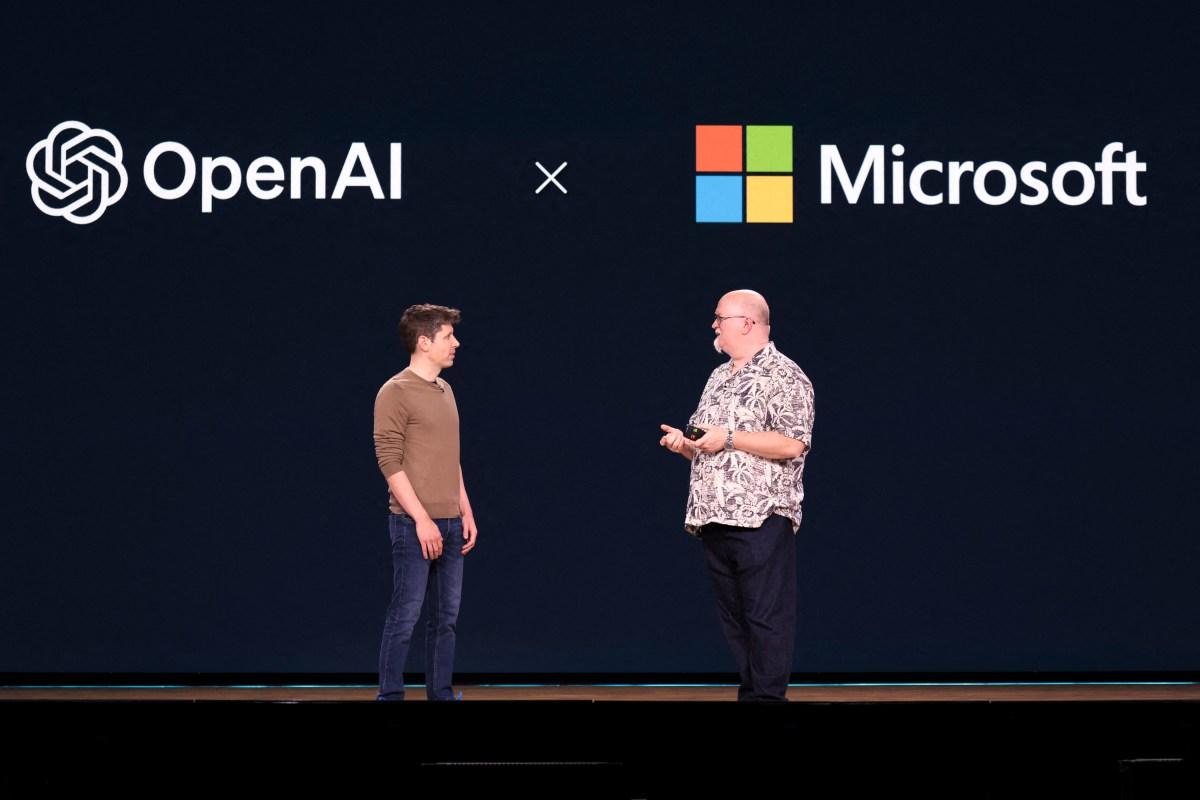
Microsoft to Exploit New OpenAI Deal
Tools of The Day

Tools of The Day

Discover the top AI tools handpicked daily by our editors to help you stay ahead with the latest and most innovative solutions.


10MAR
Adobe Illustrator
Adobe Illustrator
9MAR
Adobe Firefly
Adobe Firefly
8MAR
Adobe Sensei
Adobe Sensei
7MAR
Adobe Photoshop
Adobe Photoshop
6MAR
Adobe Firefly
Adobe Firefly
5MAR
Shap-E
Shap-E
4MAR
Point-E
Point-E

Explore AI Tools of The Day