
Breakthrough AI Agents with Persistent Memory - The Future of AI Interaction
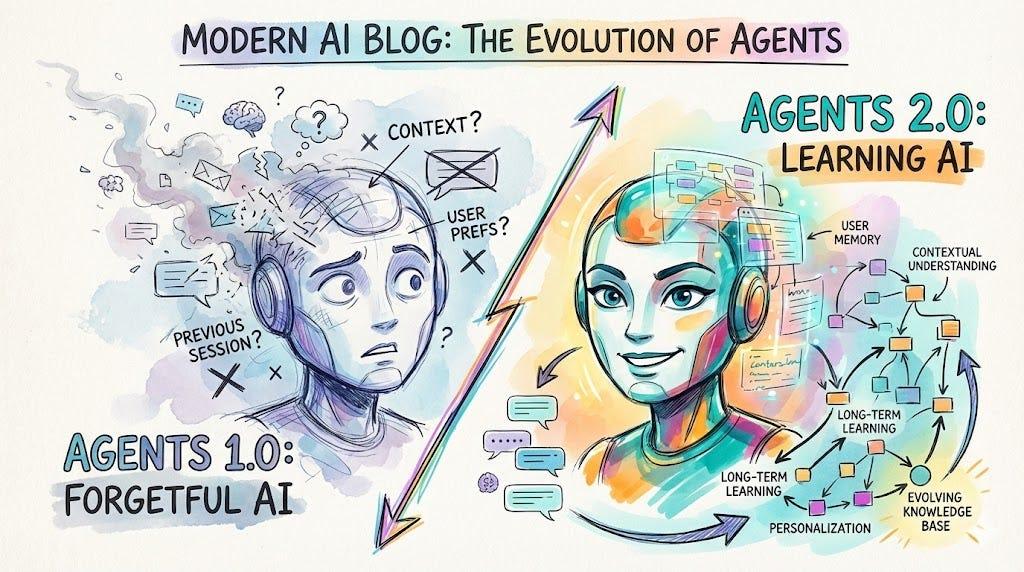
In the rapidly evolving landscape of artificial intelligence, the concept of "AI Agents 2.0" is gaining significant traction. Unlike their predecessors, which often suffer from amnesia—forgetting user preferences and context from one session to the next—these next-generation agents are designed with persistent learning capabilities. This article explores the six learning types that enable memory persistence, transforming how AI interacts with users and businesses.
The Memory Problem in Traditional AI Agents
Traditional AI agents, including many chatbots and virtual assistants, operate with a limited context window. Once a conversation ends or exceeds a certain token limit, the agent forgets previous interactions. This limitation creates a frustrating user experience, forcing users to repeat information and re-establish context in every new session. For businesses, this means missed opportunities for personalized service and inefficient workflows.
Introducing Persistent Learning: The Core of AI Agents 2.0
Persistent learning refers to the ability of an AI agent to retain and utilize information across multiple sessions. This is achieved through various learning types that store, retrieve, and apply knowledge over time. By integrating these mechanisms, AI Agents 2.0 can remember user preferences, past interactions, and specific instructions, leading to more coherent and personalized interactions.
The Six Learning Types That Make Memory Persistent
To understand how persistent learning works, we must delve into the six fundamental learning types that power AI Agents 2.0:
1. Supervised Learning
Supervised learning involves training the AI on labeled datasets, where each data point includes the correct output. This method allows the agent to learn patterns and correlations, enabling it to predict outcomes based on new inputs. For instance, an AI agent can learn to categorize customer inquiries based on historical data, improving its response accuracy over time.
2. Unsupervised Learning
In unsupervised learning, the AI analyzes unlabeled data to discover hidden patterns and structures. This is particularly useful for clustering similar user behaviors or identifying trends without explicit guidance. For example, an AI agent might group users with similar browsing habits to offer tailored recommendations.
3. Reinforcement Learning
Reinforcement learning trains the AI through trial and error, rewarding desirable actions and penalizing undesirable ones. This method is ideal for dynamic environments where the agent must adapt its strategy. In customer service, an AI agent can learn which responses lead to higher satisfaction scores, continuously refining its approach.
4. Semi-Supervised Learning
Semi-supervised learning combines a small amount of labeled data with a large pool of unlabeled data. This approach is cost-effective and efficient, especially when labeling data is expensive or time-consuming. AI agents can use this to improve their performance with minimal human intervention.
5. Self-Supervised Learning
Self-supervised learning generates labels from the data itself, allowing the AI to learn from vast amounts of unstructured information. This method is crucial for building robust language models that understand context and nuance, enabling them to generate more human-like responses.
6. Transfer Learning
Transfer learning leverages knowledge gained from one task to improve performance on a related task. This reduces the need for extensive retraining and allows AI agents to adapt quickly to new domains. For example, an agent trained on general customer service can be fine-tuned for specific industries like healthcare or finance.
Practical Applications and Use Cases
AI Agents 2.0 with persistent learning capabilities are transforming various industries:
- Customer Support: Agents remember past issues and preferences, providing seamless support without repetition.
- E-commerce: Personalized shopping experiences based on previous purchases and browsing history.
- Healthcare: Virtual assistants recall patient history, offering tailored health advice and reminders.
- Education: Adaptive learning platforms that remember student progress and adjust content accordingly.
FAQ
Related Topics




AI Spotlights
Unleashing Today's trailblazer, this week's game-changers, and this month's legends in AI. Dive in and discover tools that matter.
OpenAI Codex Chrome Extension Review

Perplexity Personal Computer: AI Agents for Mac
OpenAI Voice Intelligence API: New Features Review
ChatGPT Trusted Contact: New Self-Harm Safeguard
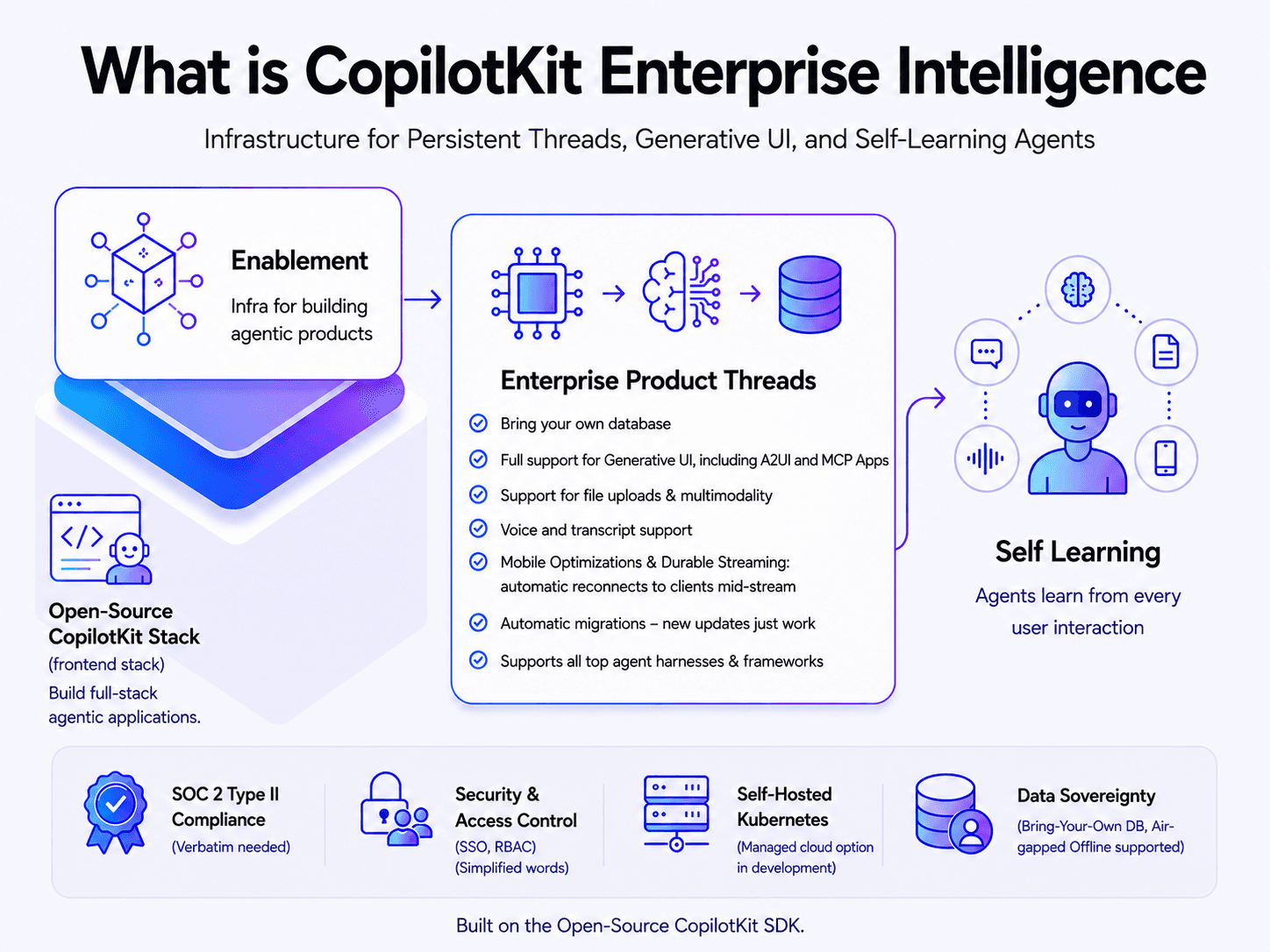
CopilotKit Intelligence: Enterprise AI Memory Platform
OpenAI Training Spec: GPU Performance Breakthrough
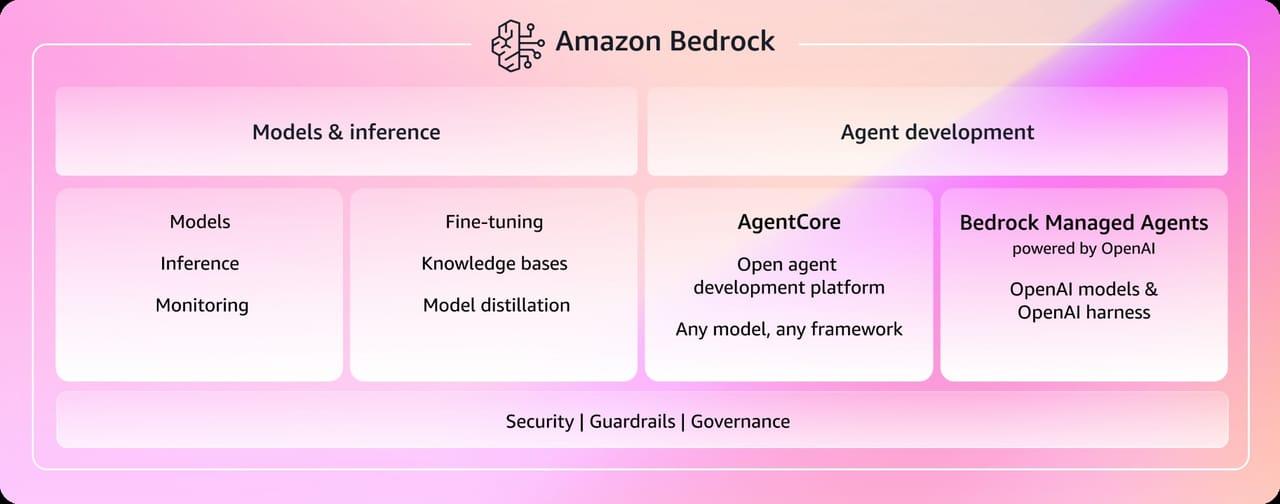
AWS Managed Agents Review: OpenAI Partnership

Glean AI Search Review: Enterprise Search Redefined
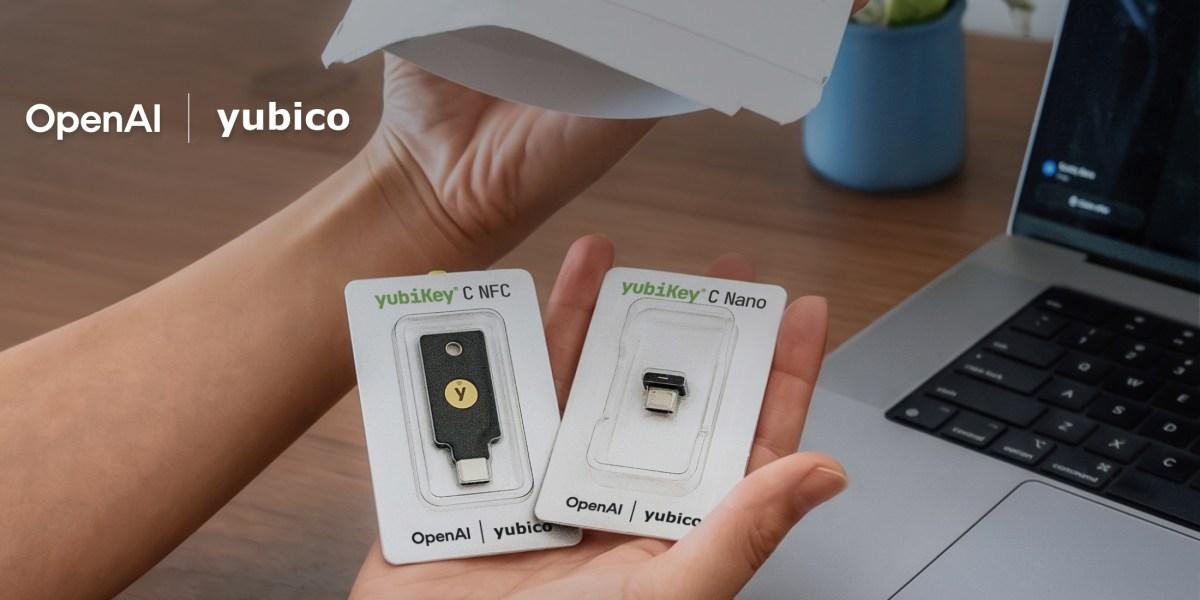
ChatGPT Security Update: Advanced Protection Features
Mistral's Cloud Code Platform Review
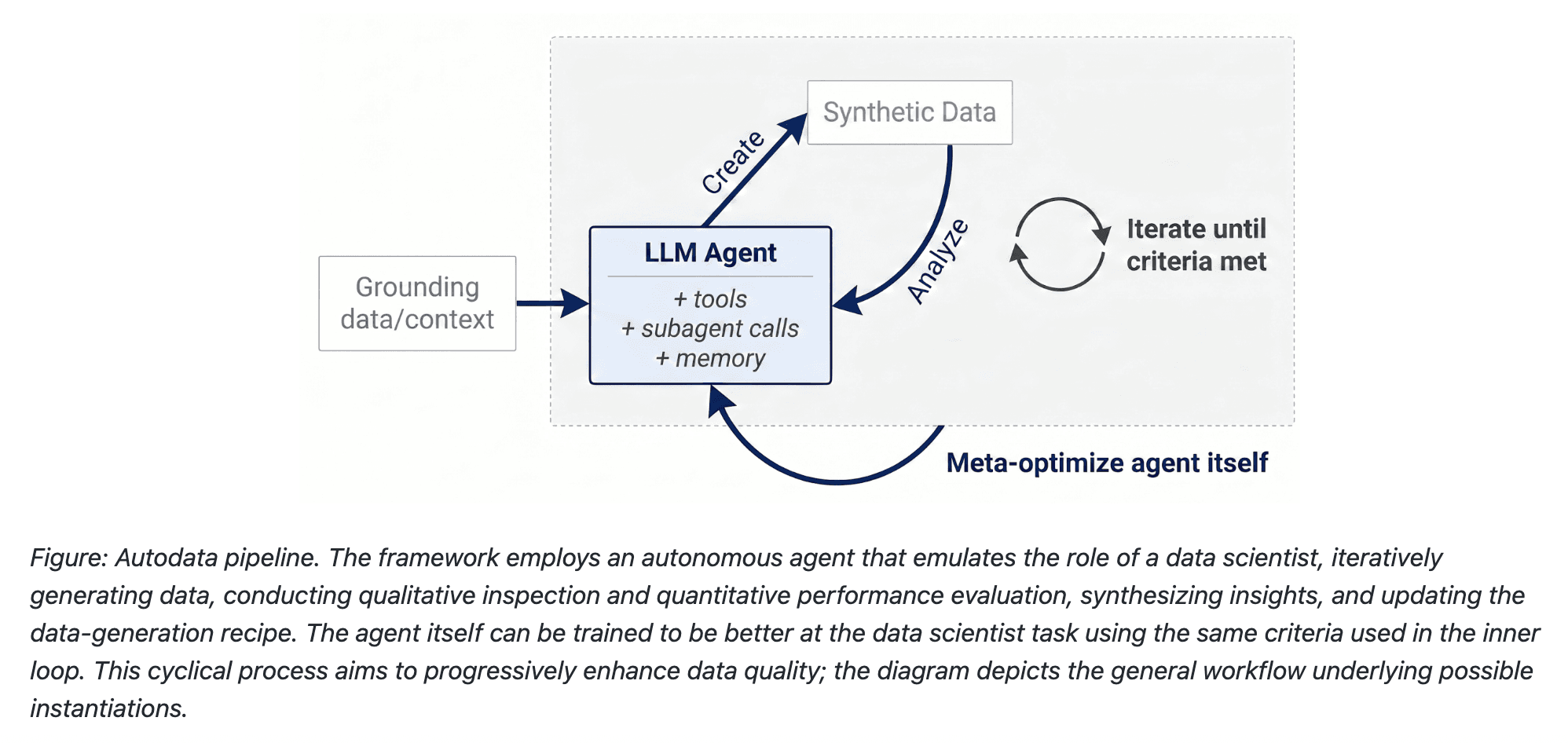
Meta Autodata: AI Framework for Autonomous Data Scientists

Gemini API Webhooks: Real-Time AI Automation
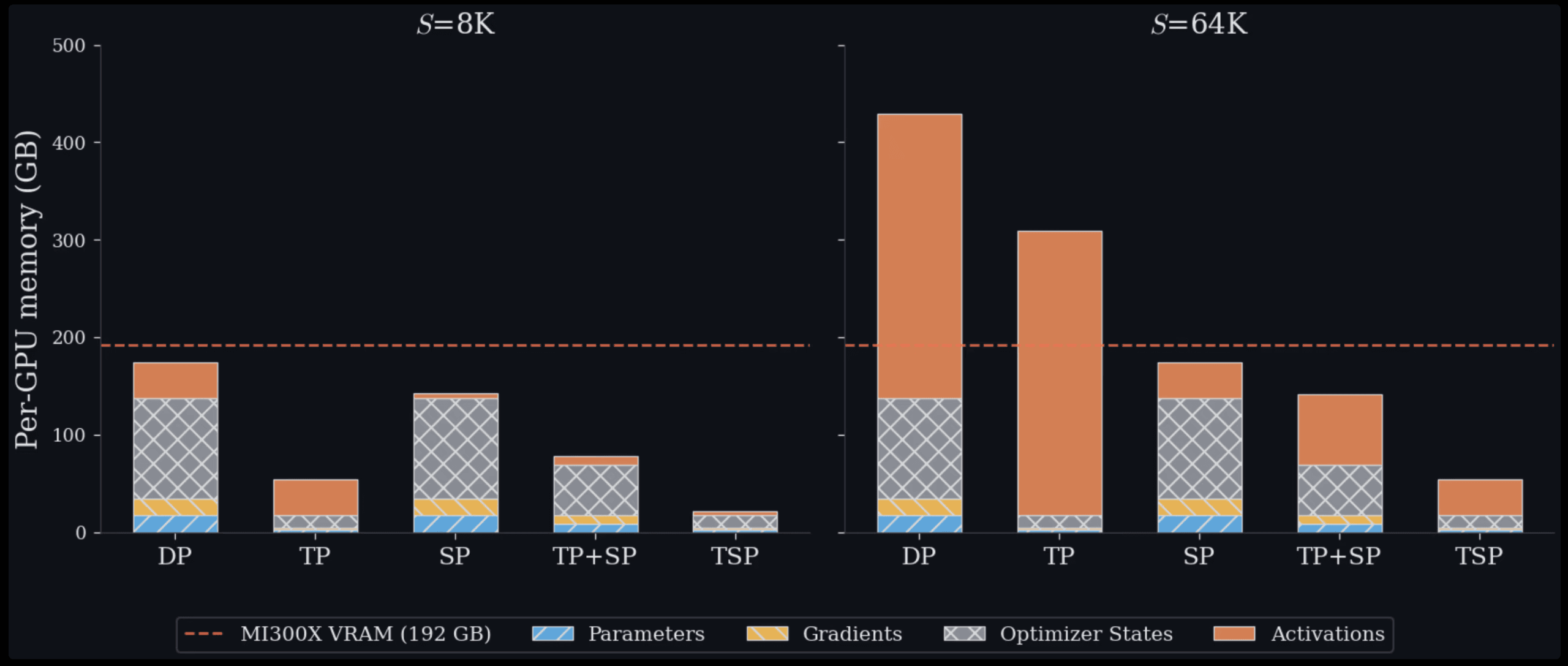
Zyphra TSP: 2.6x Faster AI Training Review

SoundHound OASYS: Self-Learning AI Agent Platform
Google Home Gemini 3.1: Smarter AI Assistant
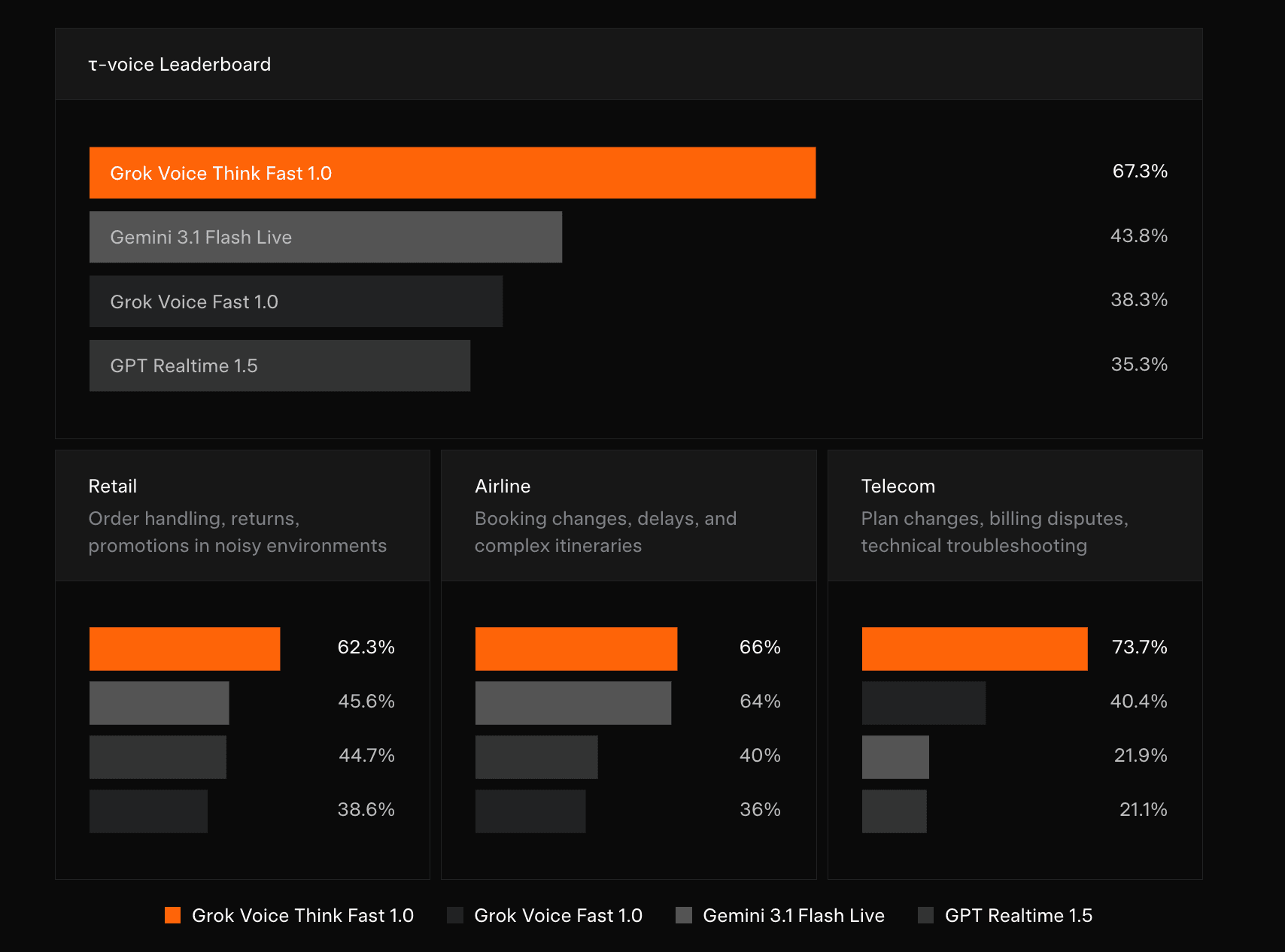
Grok Voice Think Fast 1.0 Review: AI Voice
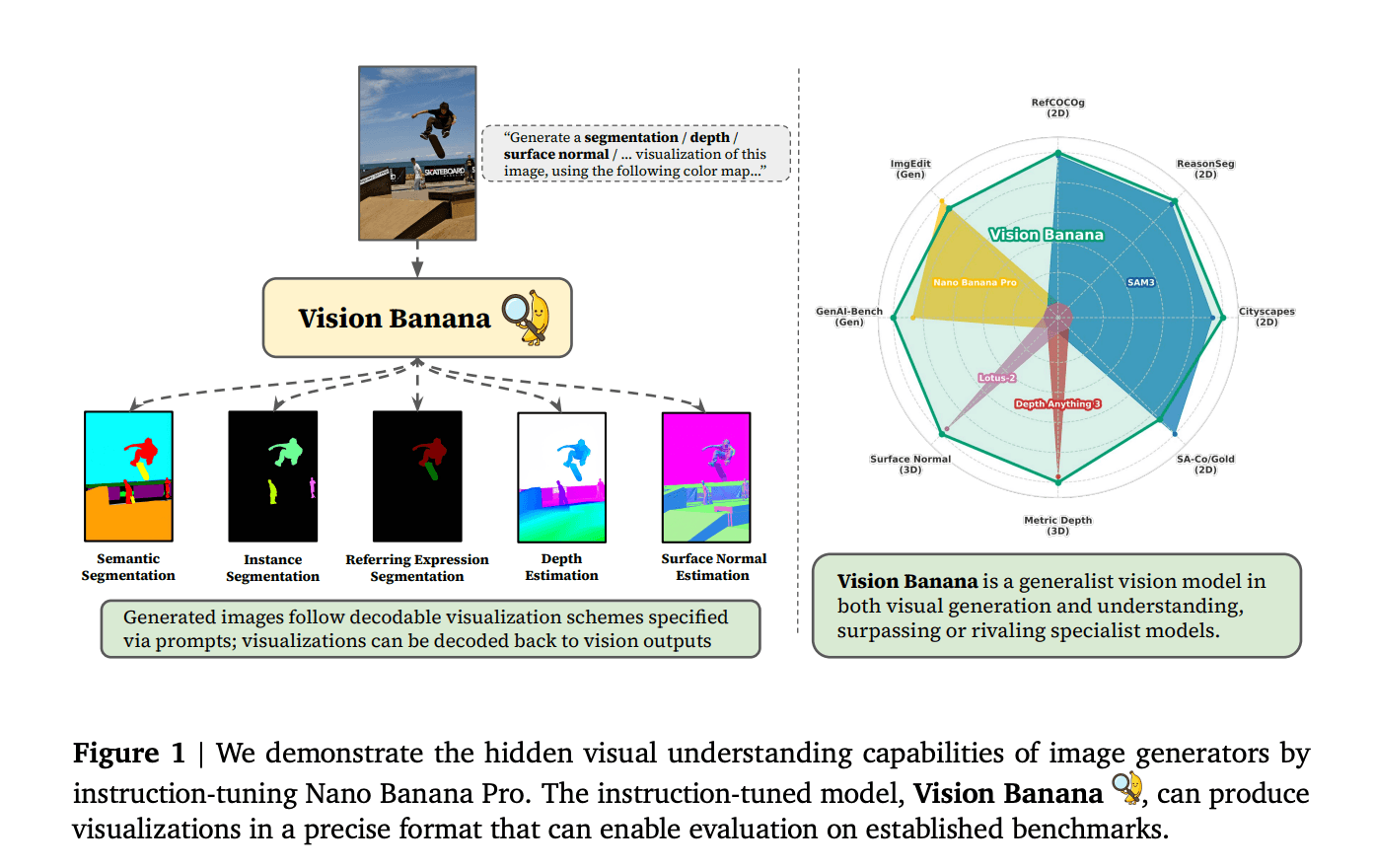
Vision Banana Review: Google's Instruction-Tuned Image Generator
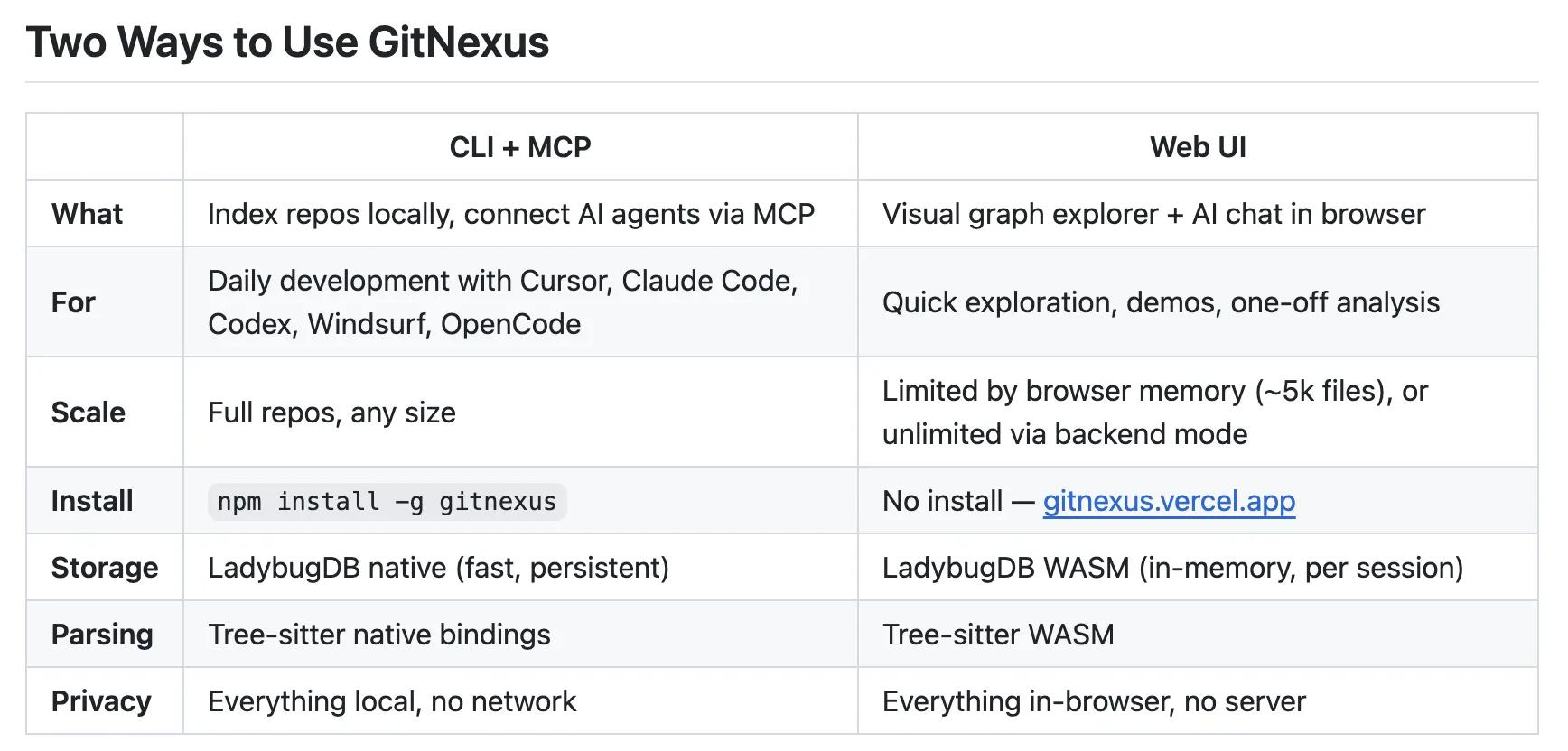
GitNexus Review: Open-Source Code Knowledge Graph
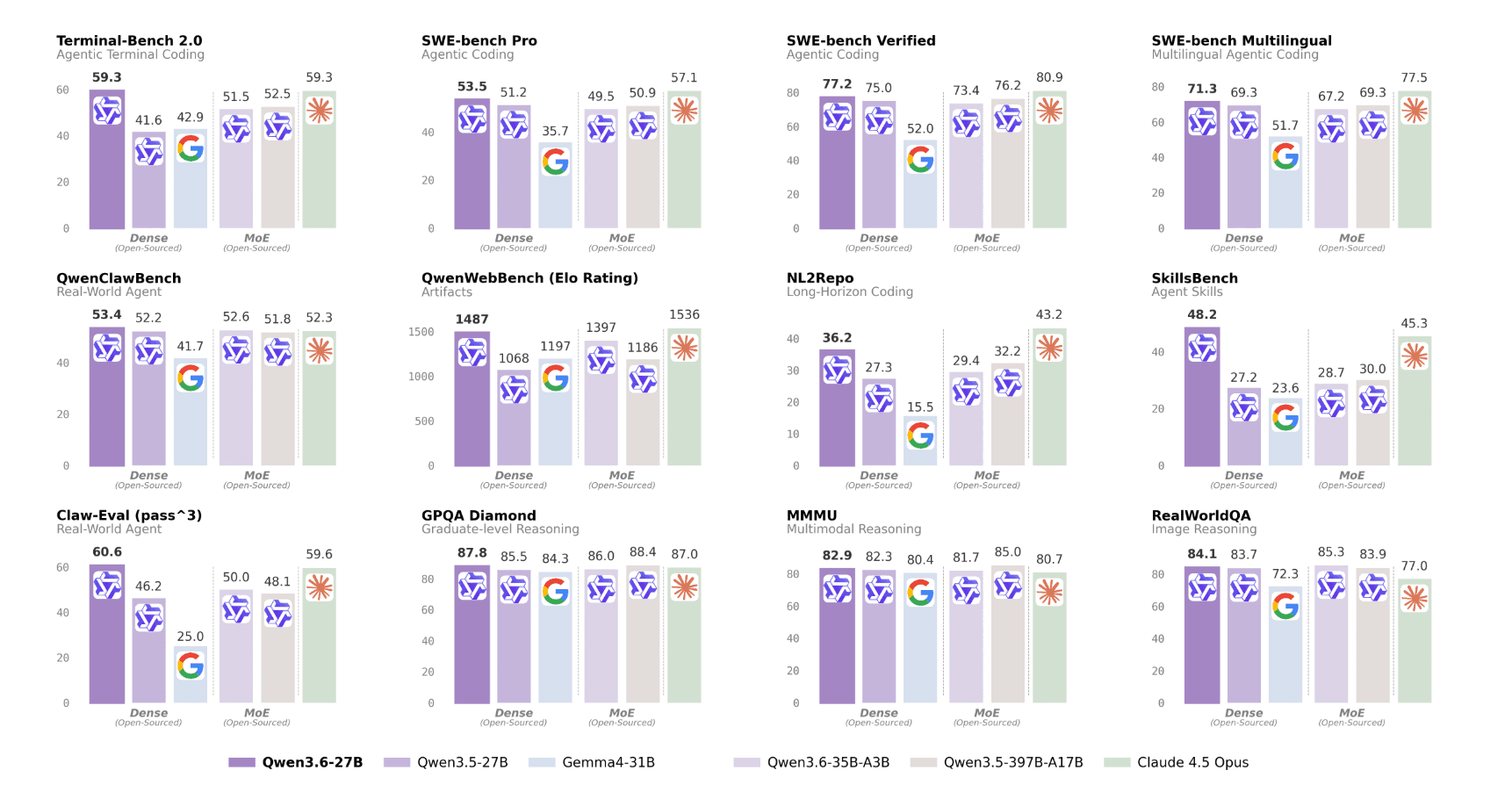
Qwen3.6-27B Review: Dense Model Outperforms 397B MoE

ChatGPT Workspace Agents: Custom AI Bots for Teams
You Might Like These Latest News
All AI NewsStay informed with the latest AI news, breakthroughs, trends, and updates shaping the future of artificial intelligence.
AI Voice Assistants Transform Office Work Culture
May 11, 2026
Anthropic: Fictional AI Portrayals Shaped Claude's Behavior
May 11, 2026
AI Data Centers Face Growing Crisis
May 10, 2026
SpaceX Plans $55B AI Chip Plant in Texas
May 8, 2026
Voi Founders Launch AI Startup Pit With $16M Seed
May 8, 2026
US Energy Secretary and NVIDIA Discuss AI-Powered Energy Future
May 8, 2026
Anthropic Finance Agents Disrupt Wall Street Jobs
May 7, 2026
Snap Ends $400M Perplexity AI Search Deal
May 7, 2026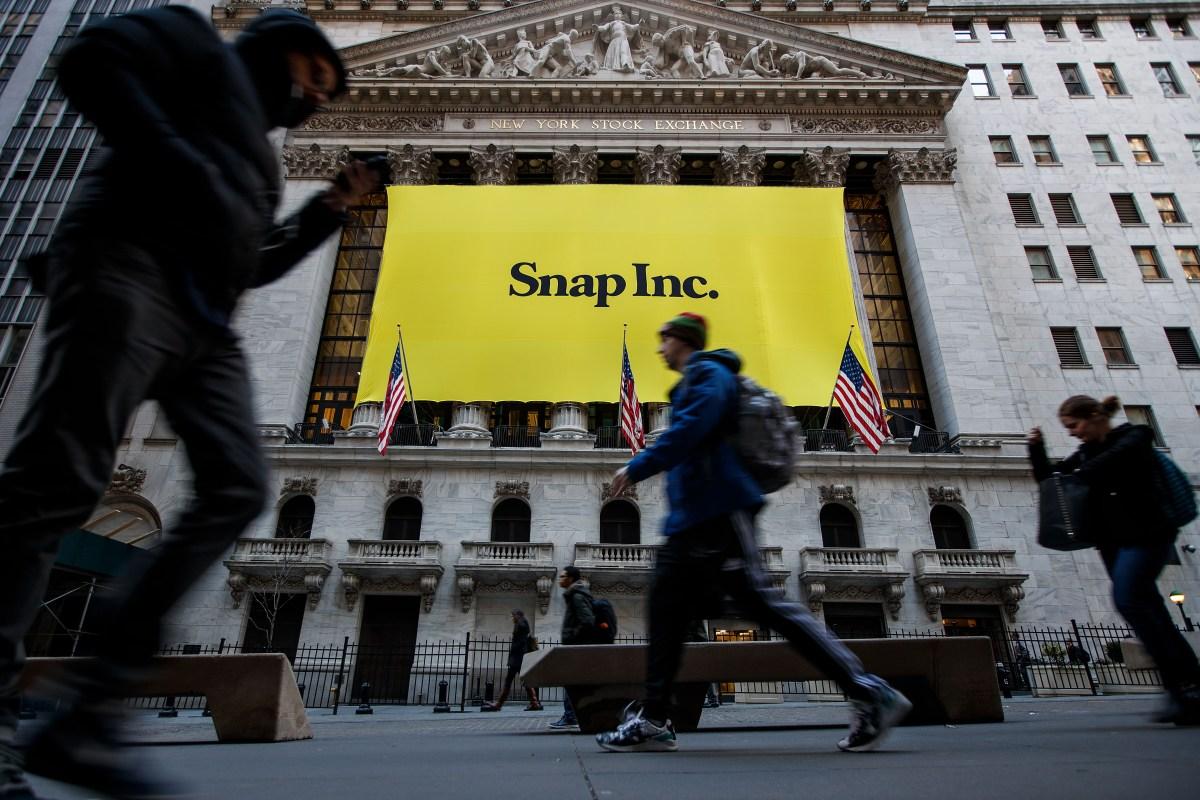
Microsoft Copilot Hits 20M Paid Users
May 6, 2026

Tools of The Day
Discover the top AI tools handpicked daily by our editors to help you stay ahead with the latest and most innovative solutions.