Join Our Community










Get the earliest access to hand-picked content weekly for free.
Spam-free guaranteed! Only insights.
Join Our Community
Get the earliest access to hand-picked content weekly for free.
Spam-free guaranteed! Only insights.

🎯 KEY TAKEAWAY
If you only take one thing from this, make it these.
In a surprising admission, OpenAI CEO Sam Altman has revealed that a critical design flaw is responsible for the persistent problem of AI hallucinations. This acknowledgment sheds new light on why chatbots like ChatGPT often generate convincing but factually incorrect information.
During a recent interview with Lex Fridman, Altman candidly admitted that OpenAI made a significant error in their approach to training large language models. The company's focus on training AI to predict the next word in a sequence, rather than prioritizing factual accuracy, has led to systems that sound confident but frequently fabricate information.
"That was a mistake," Altman stated plainly. This revelation is particularly significant as it comes from the leader of one of the most influential AI companies in the world, acknowledging a core limitation in their technology.
AI hallucinations occur when chatbots generate false information with the same confidence as factual responses. This issue has plagued AI systems since their inception, creating challenges for users who rely on these tools for accurate information.
The problem stems from how these models are fundamentally designed. By optimizing for predicting what words should come next in a sequence, rather than for factual correctness, the AI learns to produce plausible-sounding but potentially false information.
OpenAI isn't simply acknowledging the problem—they're actively working to solve it. Altman mentioned that the company is developing new approaches to reduce hallucinations in future AI models.
These efforts include exploring different training methodologies and creating systems that can better distinguish between factual knowledge and prediction-based responses. The goal is to develop AI that maintains its impressive capabilities while significantly improving accuracy.
FAQ
AI Spotlights
Unleashing Today's trailblazer, this week's game-changers, and this month's legends in AI. Dive in and discover tools that matter.
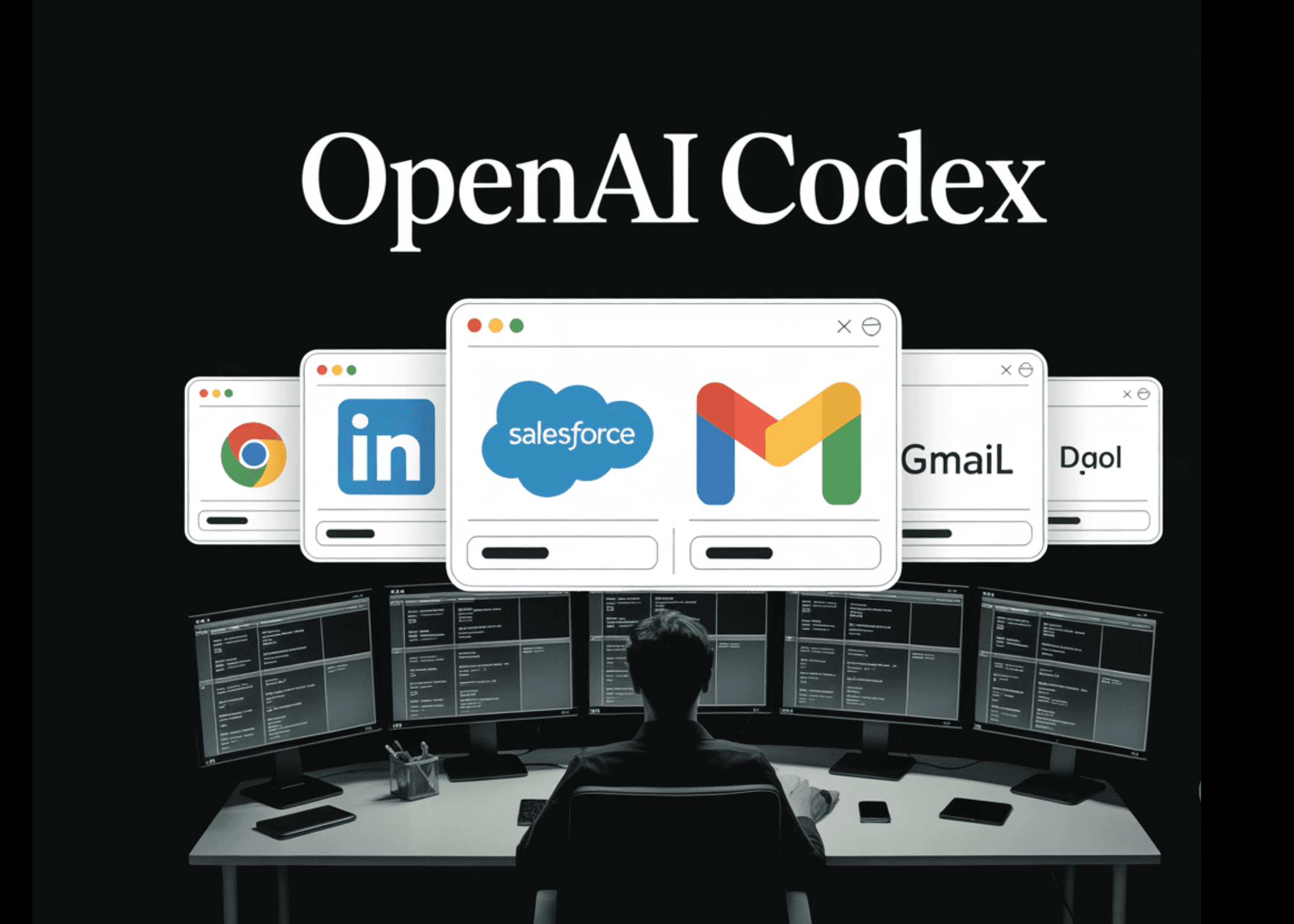
OpenAI Codex Chrome Extension Review

Perplexity Personal Computer: AI Agents for Mac
OpenAI Voice Intelligence API: New Features Review
ChatGPT Trusted Contact: New Self-Harm Safeguard
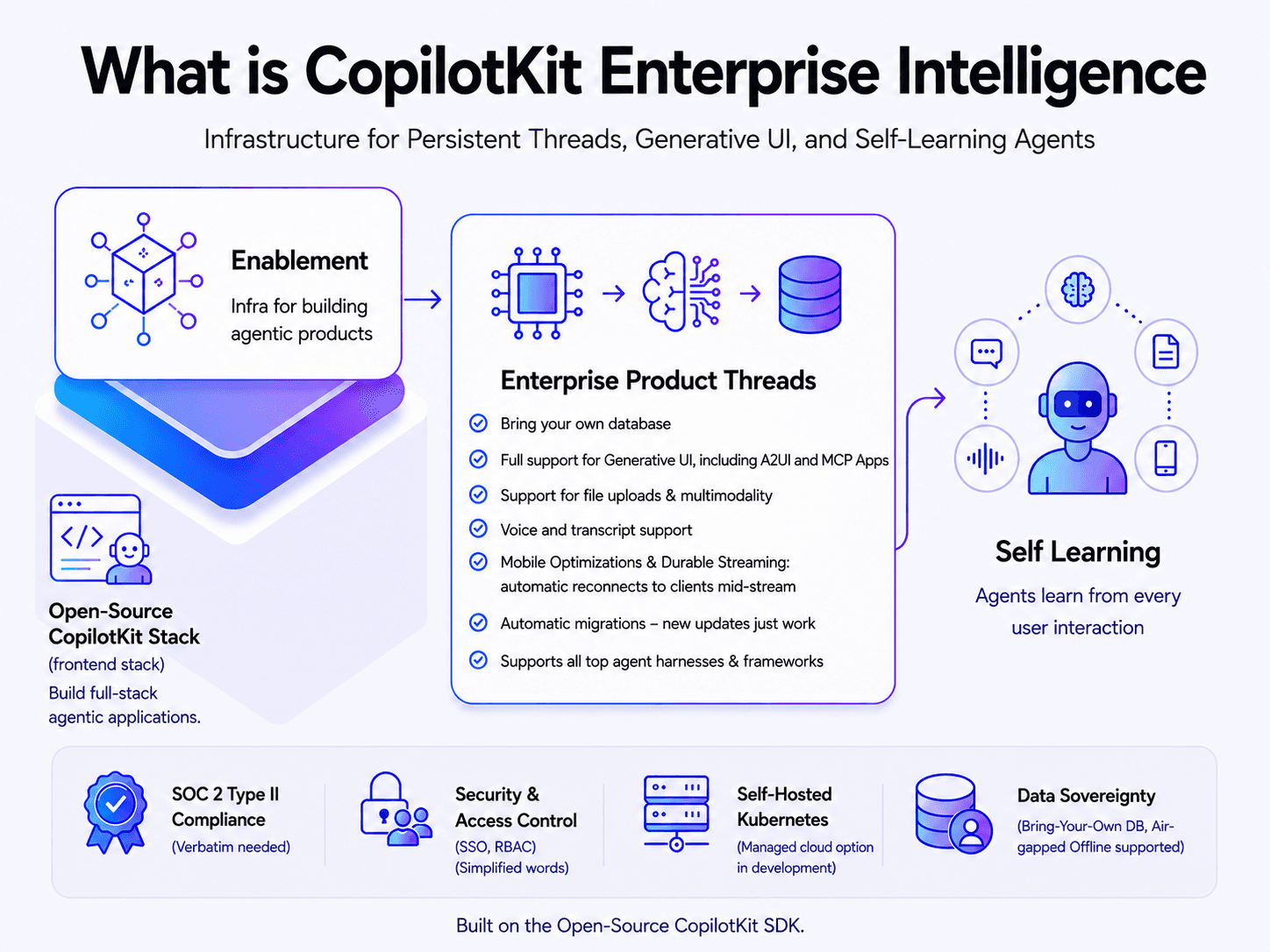
CopilotKit Intelligence: Enterprise AI Memory Platform
OpenAI Training Spec: GPU Performance Breakthrough
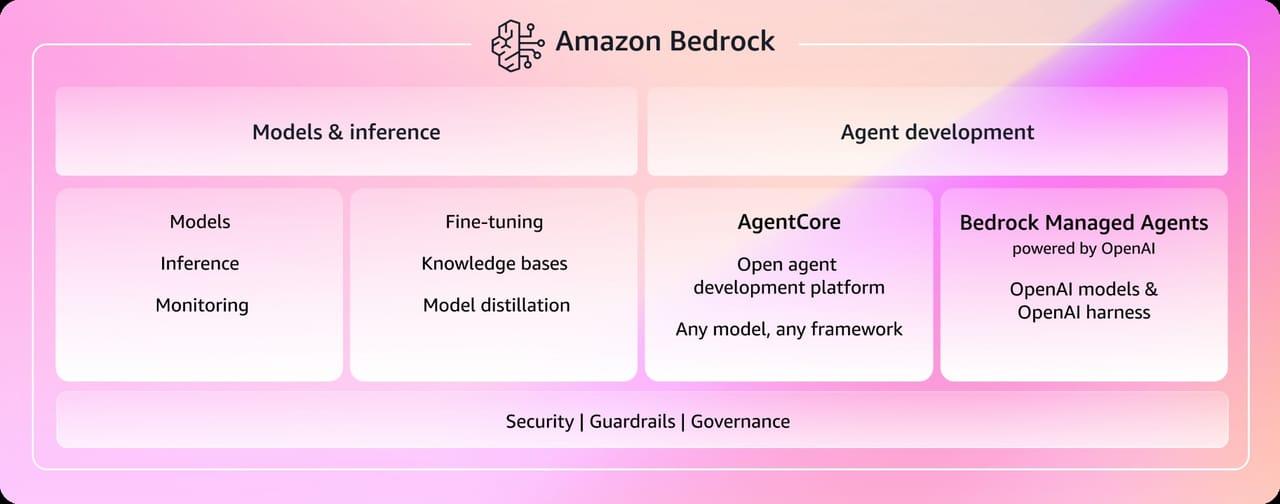
AWS Managed Agents Review: OpenAI Partnership

Glean AI Search Review: Enterprise Search Redefined
ChatGPT Security Update: Advanced Protection Features
Mistral's Cloud Code Platform Review
Meta Autodata: AI Framework for Autonomous Data Scientists
Gemini API Webhooks: Real-Time AI Automation
Zyphra TSP: 2.6x Faster AI Training Review

SoundHound OASYS: Self-Learning AI Agent Platform

Google Home Gemini 3.1: Smarter AI Assistant
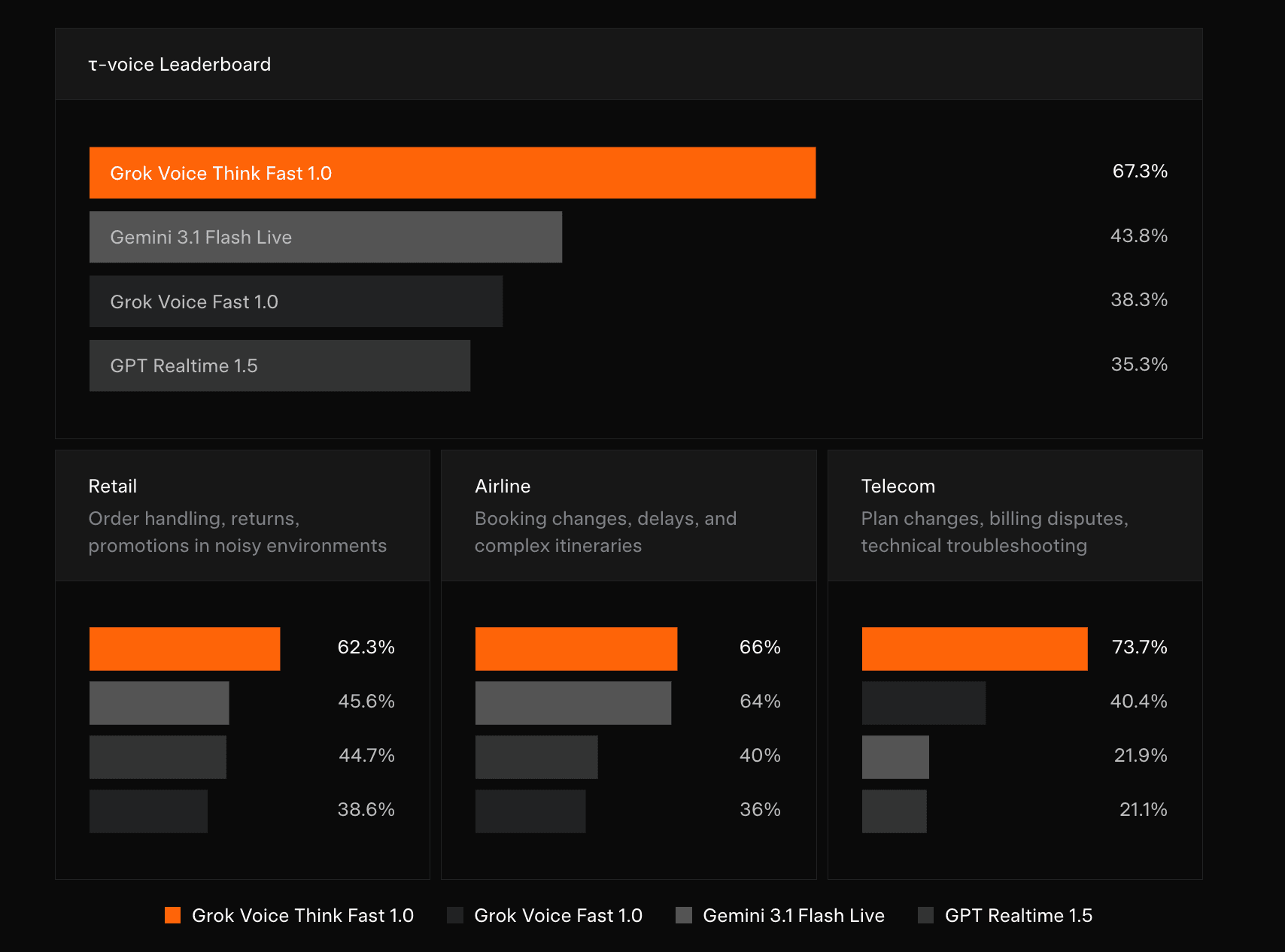
Grok Voice Think Fast 1.0 Review: AI Voice
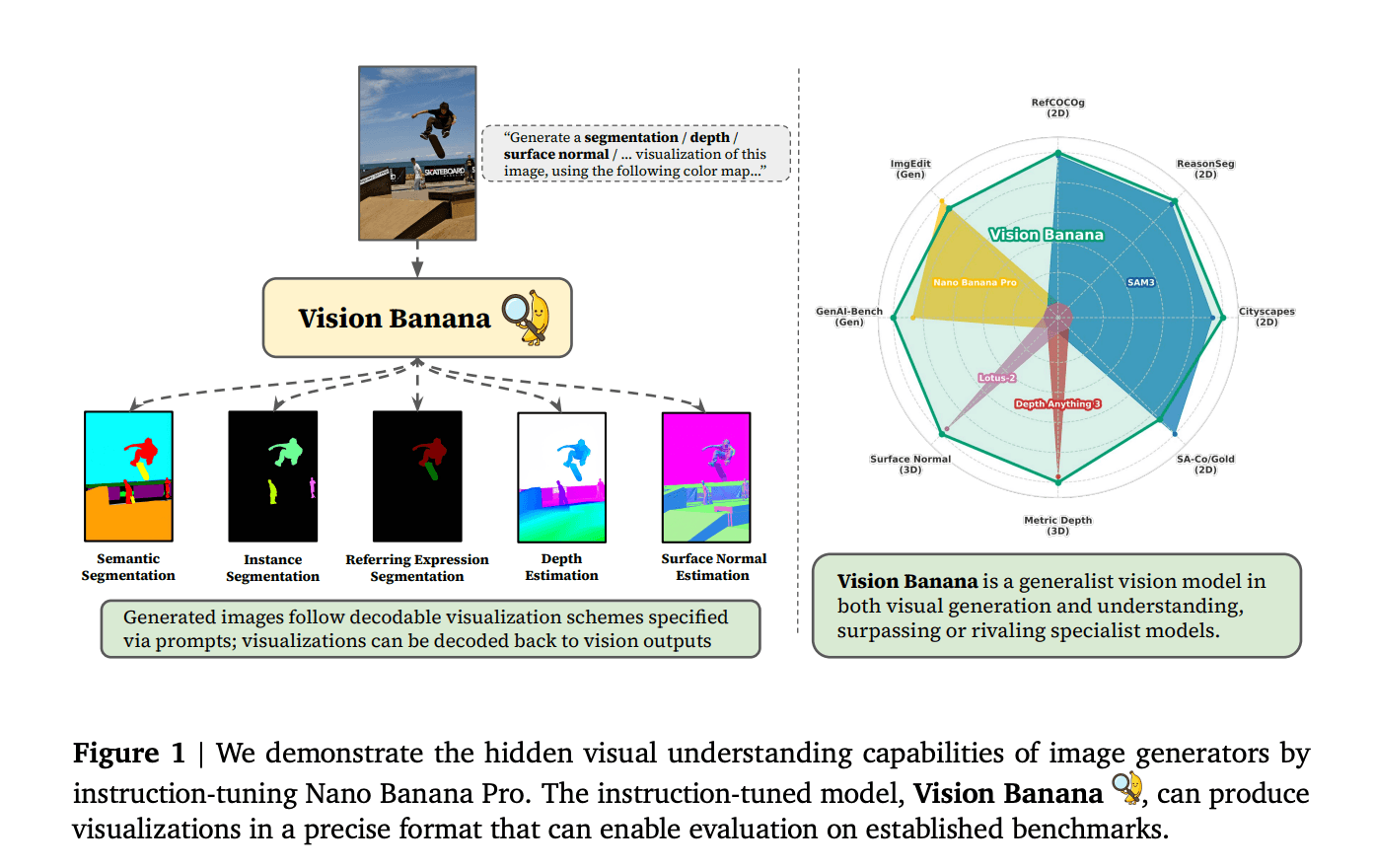
Vision Banana Review: Google's Instruction-Tuned Image Generator
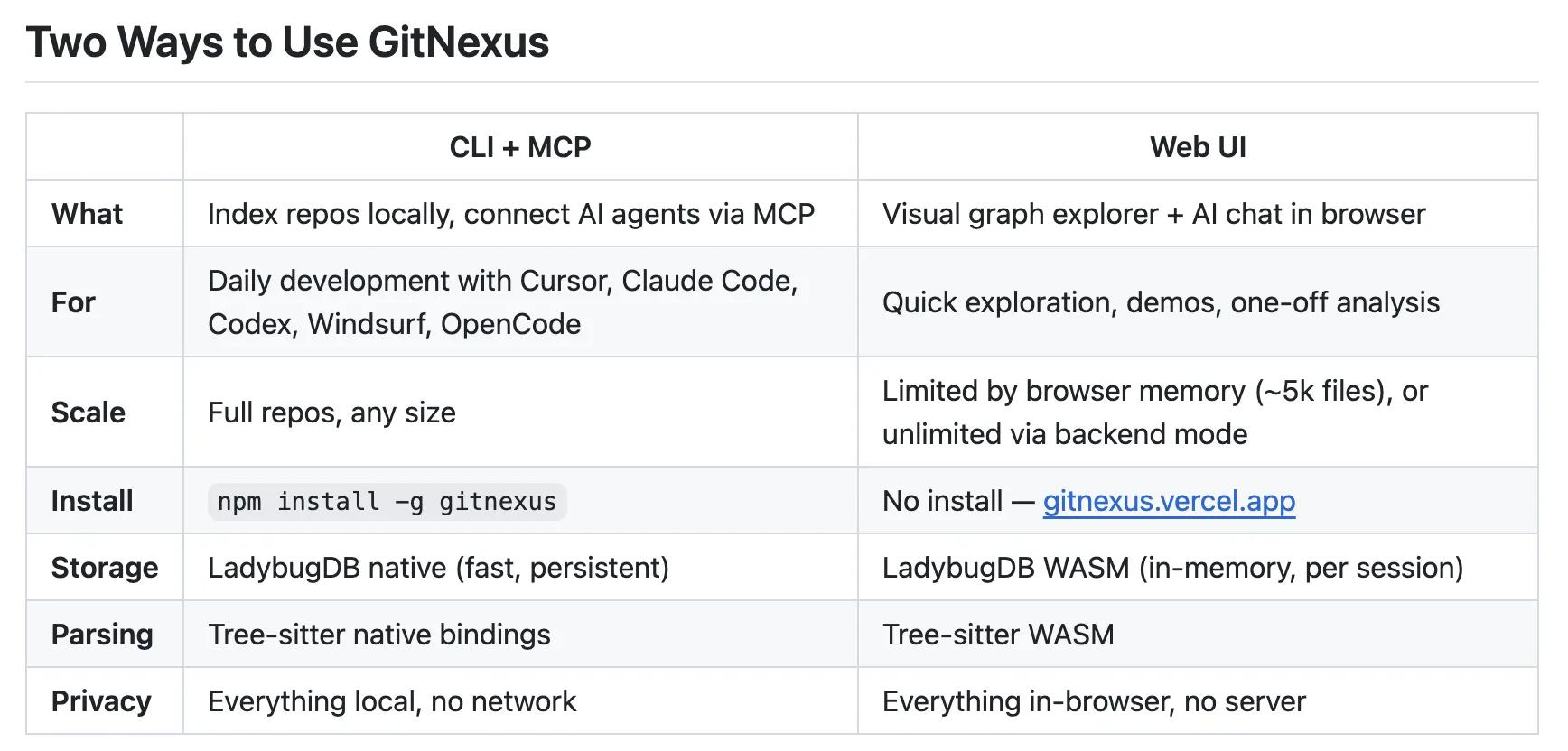
GitNexus Review: Open-Source Code Knowledge Graph
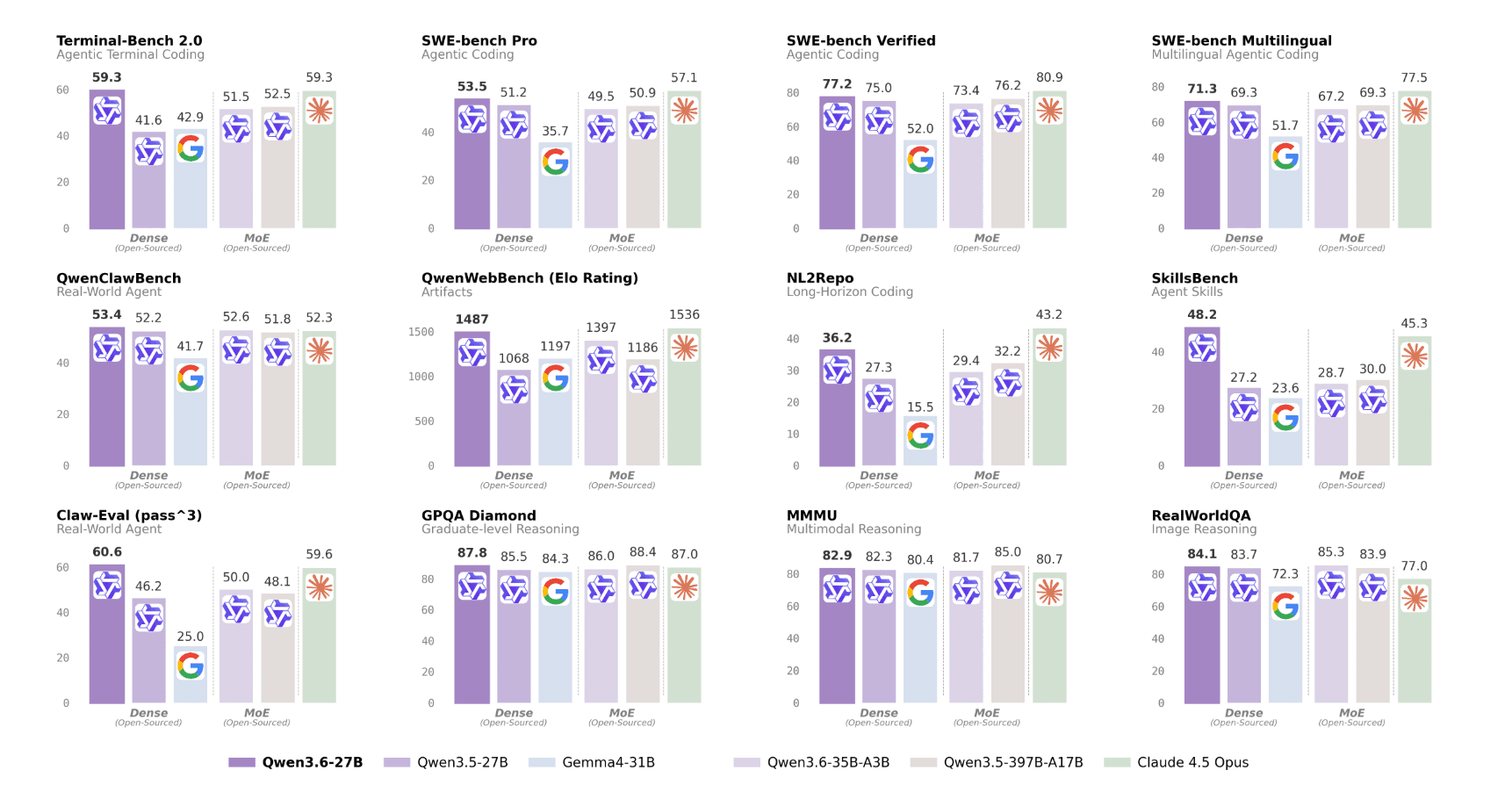
Qwen3.6-27B Review: Dense Model Outperforms 397B MoE

ChatGPT Workspace Agents: Custom AI Bots for Teams
You Might Like These Latest News
All AI NewsStay informed with the latest AI news, breakthroughs, trends, and updates shaping the future of artificial intelligence.
AI Data Centers Face Growing Crisis
May 10, 2026
SpaceX Plans $55B AI Chip Plant in Texas
May 8, 2026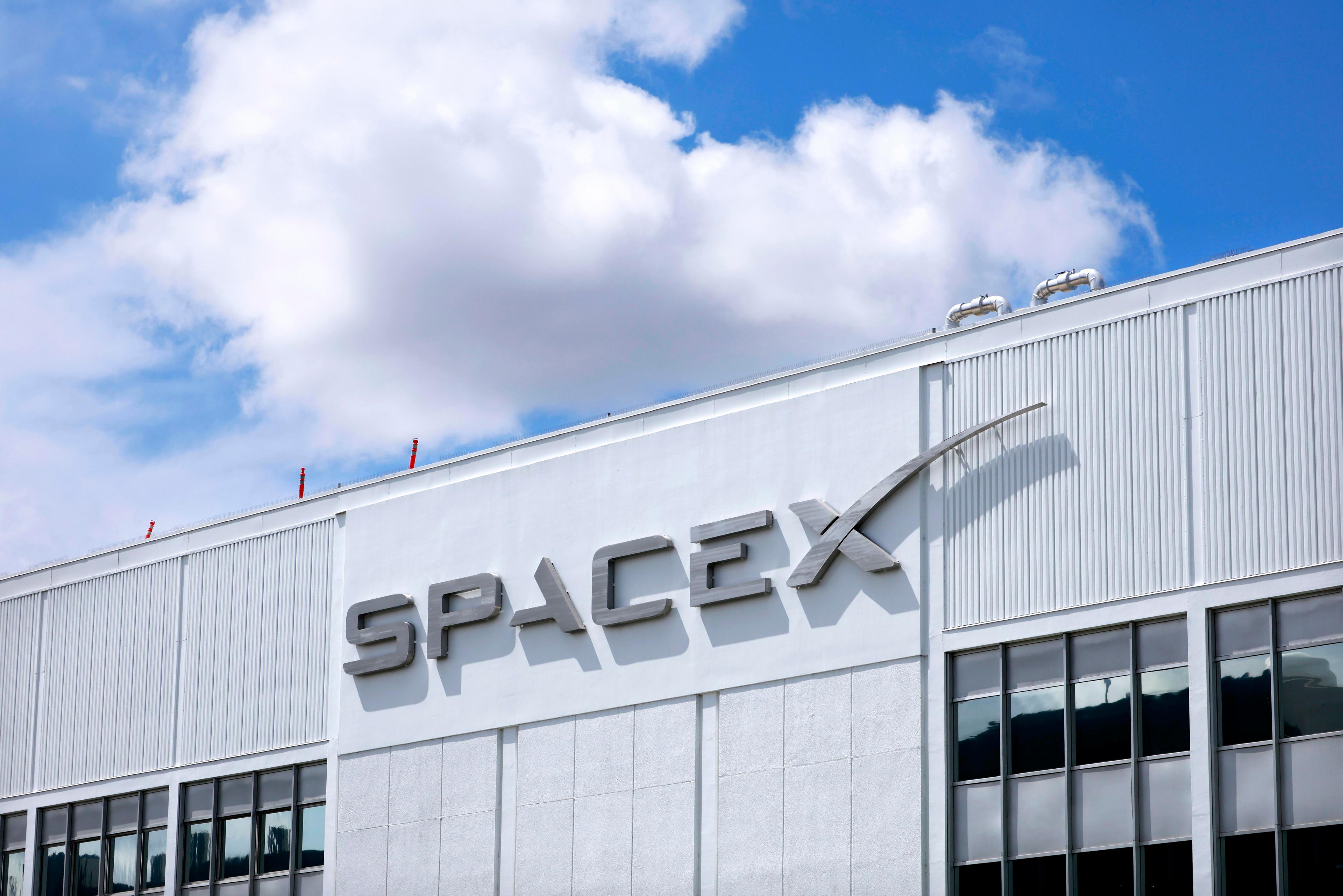
Voi Founders Launch AI Startup Pit With $16M Seed
May 8, 2026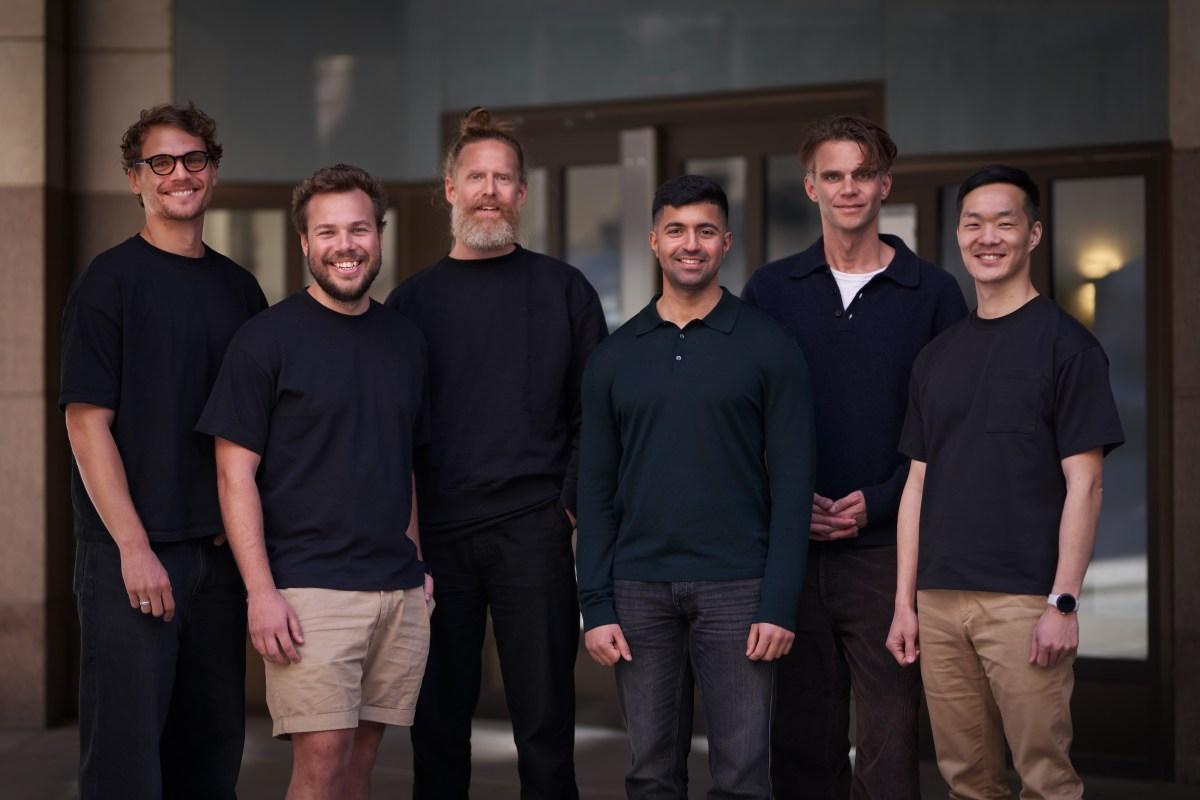
US Energy Secretary and NVIDIA Discuss AI-Powered Energy Future
May 8, 2026
Anthropic Finance Agents Disrupt Wall Street Jobs
May 7, 2026
Snap Ends $400M Perplexity AI Search Deal
May 7, 2026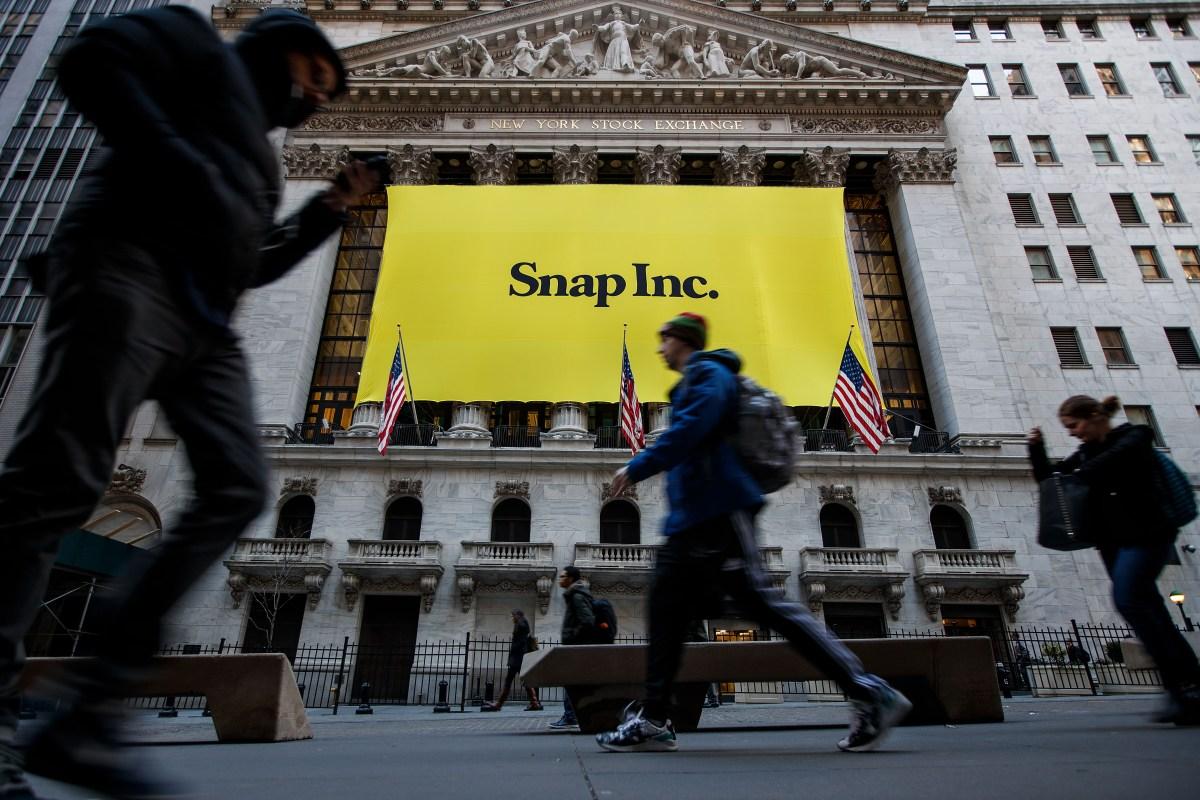
Microsoft Copilot Hits 20M Paid Users
May 6, 2026
Runway Eyes World Models Beyond AI Video
May 6, 2026
Microsoft to Exploit New OpenAI Deal
May 6, 2026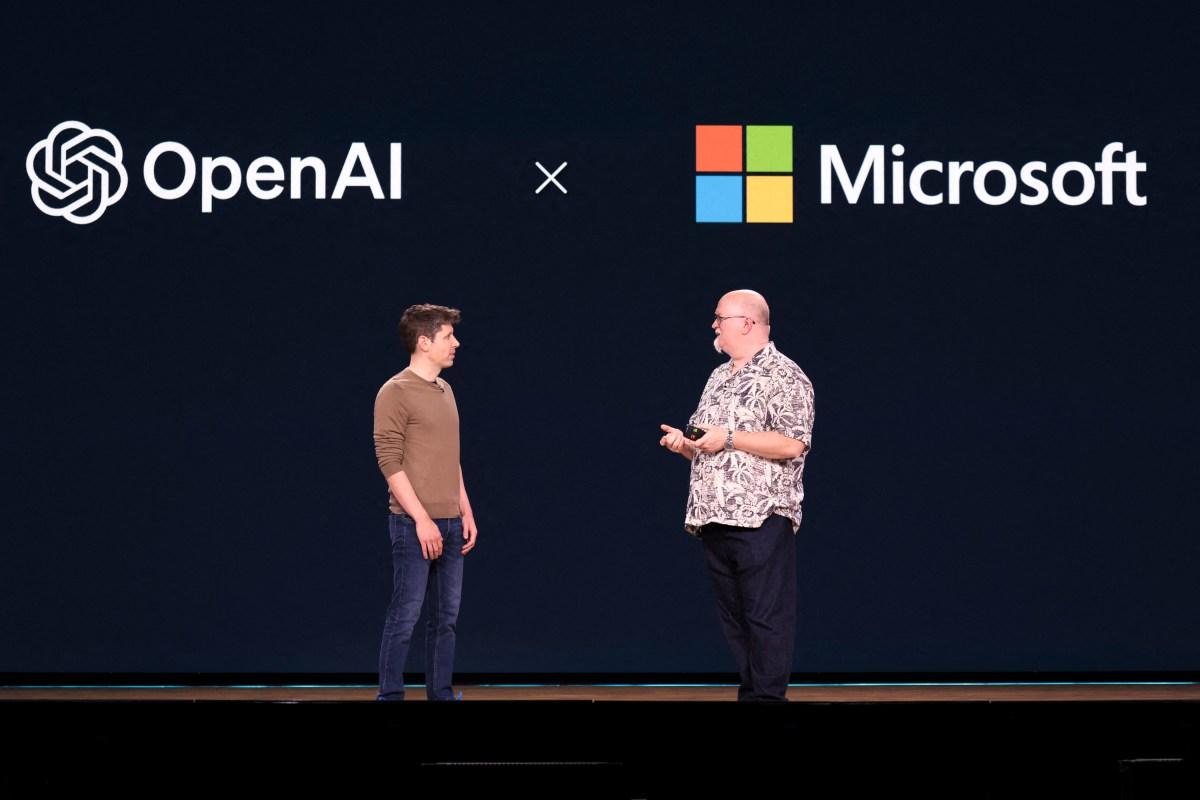

Discover the top AI tools handpicked daily by our editors to help you stay ahead with the latest and most innovative solutions.