









Age of AI Toolsv2.beta
For YouJobsUse Cases
Media-HubNEW

Join Our Community

Get the earliest access to hand-picked content weekly for free.

Spam-free guaranteed! Only insights.

Join Our Community

Get the earliest access to hand-picked content weekly for free.

Spam-free guaranteed! Only insights.

Trusted by Leading Review and Discovery Websites

Age of AI Tools on Product HuntApproved on SaaSHubAlternativeTo
AI Tools
  • For You!
  • Discover All AI Tools
  • Best AI Tools
  • Free AI Tools
  • Tools of the DayNEW
  • All Use Cases
  • All Jobs
Trend UseCases
  • AI Image Generators
  • AI Video Generators
  • AI Voice Generators
Trend Jobs
  • Graphic Designer
  • SEO Specialist
  • Email Marketing Specialist
Media Hub
  • Go to Media Hub
  • AI News
  • AI Tools Spotlights
Age of AI Tools
  • What's New
  • Story of Age of AI Tools
  • Cookies & Privacy
  • Terms & Conditions
  • Request Update
  • Bug Report
  • Contact Us
Submit & Advertise
  • Submit AI Tool
  • Promote Your Tool50% Off

Agent of AI Age

Looking to discover new AI tools? Just ask our AI Agent

Copyright © 2026 Age of AI Tools. All Rights Reserved.

Media HubAI NewsAI Agents Grapple with Security-Usefulness Tradeoffs
12 Feb 20265 min read

AI Agents Grapple with Security-Usefulness Tradeoffs

🎯 KEY TAKEAWAY

If you only take one thing from this, make it these.

  • New research reveals a fundamental conflict between AI agent security and usefulness, forcing a trade-off
  • The more autonomy and tools an agent has, the harder it becomes to prevent misuse or jailbreaks
  • This tension affects developers, enterprises, and anyone building or deploying AI agents
  • Future solutions may require new security paradigms rather than just better model training
  • The finding challenges the assumption that more capable agents are always better

AI Agents Face Security and Usefulness Trade-Off

A new study reveals that AI agents face an uncomfortable truth where security and usefulness are in direct competition. The research, reported by The Decoder, shows that as agents become more capable and autonomous, preventing misuse becomes increasingly difficult. This creates a fundamental tension for developers trying to build both powerful and safe AI systems.

The core issue lies in the agent's architecture. More useful agents need access to tools, data, and decision-making power. But each additional capability creates a new potential attack surface for malicious actors. This makes the security challenge exponentially harder as agents become more capable.

The Security-Usefulness Paradox

The research identifies several key factors driving this conflict:

Why more capabilities create more risk:

  • Tool access: Agents connected to external APIs or systems can be manipulated to perform unauthorized actions
  • Autonomy: Greater decision-making freedom makes it harder to predict and control agent behavior
  • Memory and context: Agents that remember past interactions can be tricked into revealing sensitive information
  • Multi-step reasoning: Complex reasoning chains are harder to audit and verify for safety

The jailbreak problem:

  • Prompt injection: Attackers can hide malicious instructions in seemingly harmless inputs
  • Chain-of-thought exploits: Complex reasoning processes can be hijacked to reach unsafe conclusions
  • Tool misuse: Even benign tools can be combined in harmful ways that are difficult to anticipate

Impact on AI Development

This tension has immediate consequences for how AI agents are built and deployed:

For developers:

  • Security overhead: Every new capability requires extensive safety testing and monitoring
  • Development complexity: Building secure agents requires expertise in both AI and cybersecurity
  • Testing challenges: It's nearly impossible to anticipate every possible misuse scenario

For enterprises:

  • Risk assessment: Companies must weigh productivity gains against potential security breaches
  • Deployment decisions: Some useful agent capabilities may be too risky to implement
  • Compliance concerns: Regulators are increasingly scrutinizing AI agent security

For the industry:

  • Innovation slowdown: Security concerns may delay the release of more advanced agents
  • Market differentiation: Companies that solve this problem could gain significant competitive advantage
  • Research focus: Academic and industry labs are prioritizing security research

Current Approaches and Limitations

Current security methods struggle with this fundamental trade-off:

Traditional security measures:

  • Content filtering: Can block obvious harmful requests but misses sophisticated attacks
  • Access controls: Limit what agents can do but reduce their usefulness
  • Monitoring and auditing: Help detect misuse but can't prevent it in real-time
  • Sandboxing: Isolates agents but limits their ability to interact with real systems

Why these methods fall short:

  • Adversarial evolution: Attackers continuously develop new bypass techniques
  • Complexity barrier: Security measures that work for simple agents fail at scale
  • False positives: Overly restrictive security can break legitimate agent functionality

Future Directions and Solutions

Researchers are exploring new approaches to this problem:

Emerging security paradigms:

  • Formal verification: Mathematical proof that agents will behave safely under all conditions
  • Adversarial training: Exposing agents to attack scenarios during development
  • Human-in-the-loop: Keeping humans involved in critical decision points
  • Capability limitation: Designing agents with inherent safety constraints

Industry responses:

  • Security-first design: Building safety into agent architecture from the ground up
  • Red teaming: Dedicated teams try to break agents before release
  • Transparency initiatives: Sharing security research and best practices
  • Collaborative standards: Industry groups developing common security frameworks

Research priorities:

  • Interpretable AI: Understanding why agents make certain decisions
  • Robustness testing: Ensuring agents behave safely under unexpected conditions
  • Scalable security: Developing methods that work as agents become more complex

The research confirms that AI agent security and usefulness exist in direct tension, creating a fundamental challenge for the field. As agents become more capable, preventing misuse becomes exponentially harder, forcing developers to make difficult trade-offs between functionality and safety.

This finding suggests that future progress in AI agents will require entirely new security approaches rather than incremental improvements to existing methods. The companies and researchers who solve this problem will likely define the next generation of AI systems, while those who ignore it may face serious security failures. The industry must prioritize security innovation alongside capability development to realize the full potential of AI agents.

FAQ

Related Topics

AI agentssecurityusefulnessinnovation

Table of contents

AI Agents Face Security and Usefulness Trade-OffThe Security-Usefulness ParadoxImpact on AI DevelopmentCurrent Approaches and LimitationsFuture Directions and SolutionsFAQ

Related Use Cases

AI Cybersecurity ToolsAI Detection ToolsAI Tools for ResearchAI Automation ToolsAI Developer Tools

Latest News

AI Data Centers Face Growing Crisis
SpaceX Plans $55B AI Chip Plant in Texas
Voi Founders Launch AI Startup Pit With $16M Seed
All Latest News

Editor's Pick Articles

Perplexity Personal Computer: AI Agents for Mac
Claude Personal App Connectors Review
ChatGPT Images 2.0 Review: Better Text & Details
All Articles
Special offer for AI Owners – 50% OFF Promotional Plans

Join Our Community

Get the earliest access to hand-picked content weekly for free.

Spam-free guaranteed! Only insights.

Follow Us on Socials

Don't Miss AI Topics

ai art generatorai voice generatorai text generatorai avatar generatorai designai writing assistantai audio generatorai content generatorai dubbingai graphic designai banner generatorai in dropshipping

AI Spotlights

Unleashing Today's trailblazer, this week's game-changers, and this month's legends in AI. Dive in and discover tools that matter.
All AI Spotlights
OpenAI Codex Chrome Extension Review

OpenAI Codex Chrome Extension Review

Perplexity Personal Computer: AI Agents for Mac
Perplexity Personal Computer: AI Agents for Mac

OpenAI Voice Intelligence API: New Features Review

OpenAI Voice Intelligence API: New Features Review

ChatGPT Trusted Contact: New Self-Harm Safeguard
ChatGPT Trusted Contact: New Self-Harm Safeguard

CopilotKit Intelligence: Enterprise AI Memory Platform
CopilotKit Intelligence: Enterprise AI Memory Platform

OpenAI Training Spec: GPU Performance Breakthrough
OpenAI Training Spec: GPU Performance Breakthrough

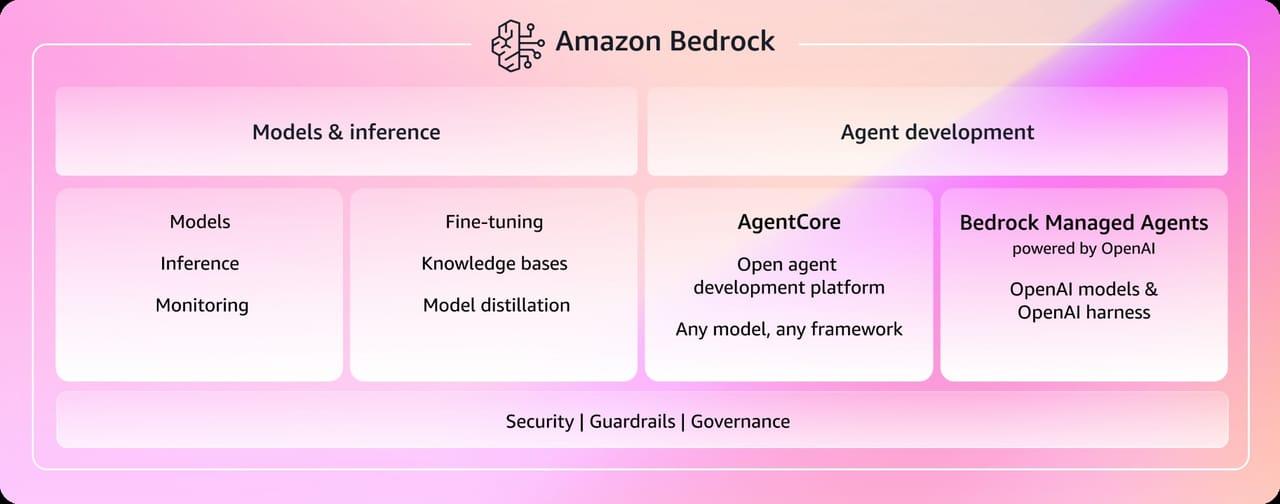
AWS Managed Agents Review: OpenAI Partnership

AWS Managed Agents Review: OpenAI Partnership

Glean AI Search Review: Enterprise Search Redefined
Glean AI Search Review: Enterprise Search Redefined

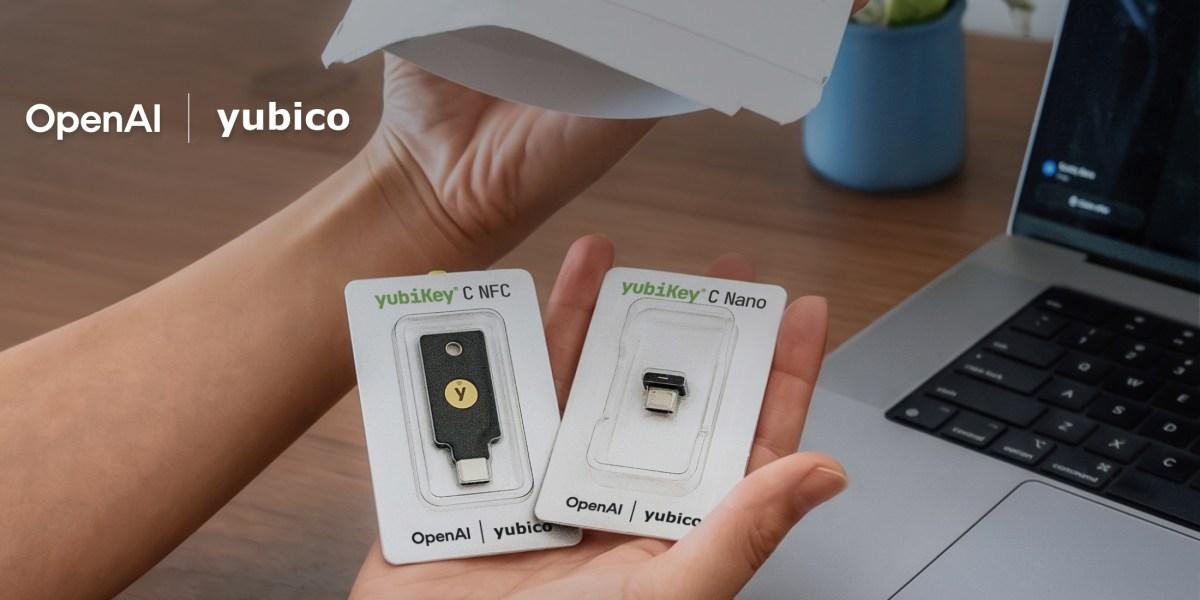
ChatGPT Security Update: Advanced Protection Features
ChatGPT Security Update: Advanced Protection Features

Mistral's Cloud Code Platform Review
Mistral's Cloud Code Platform Review

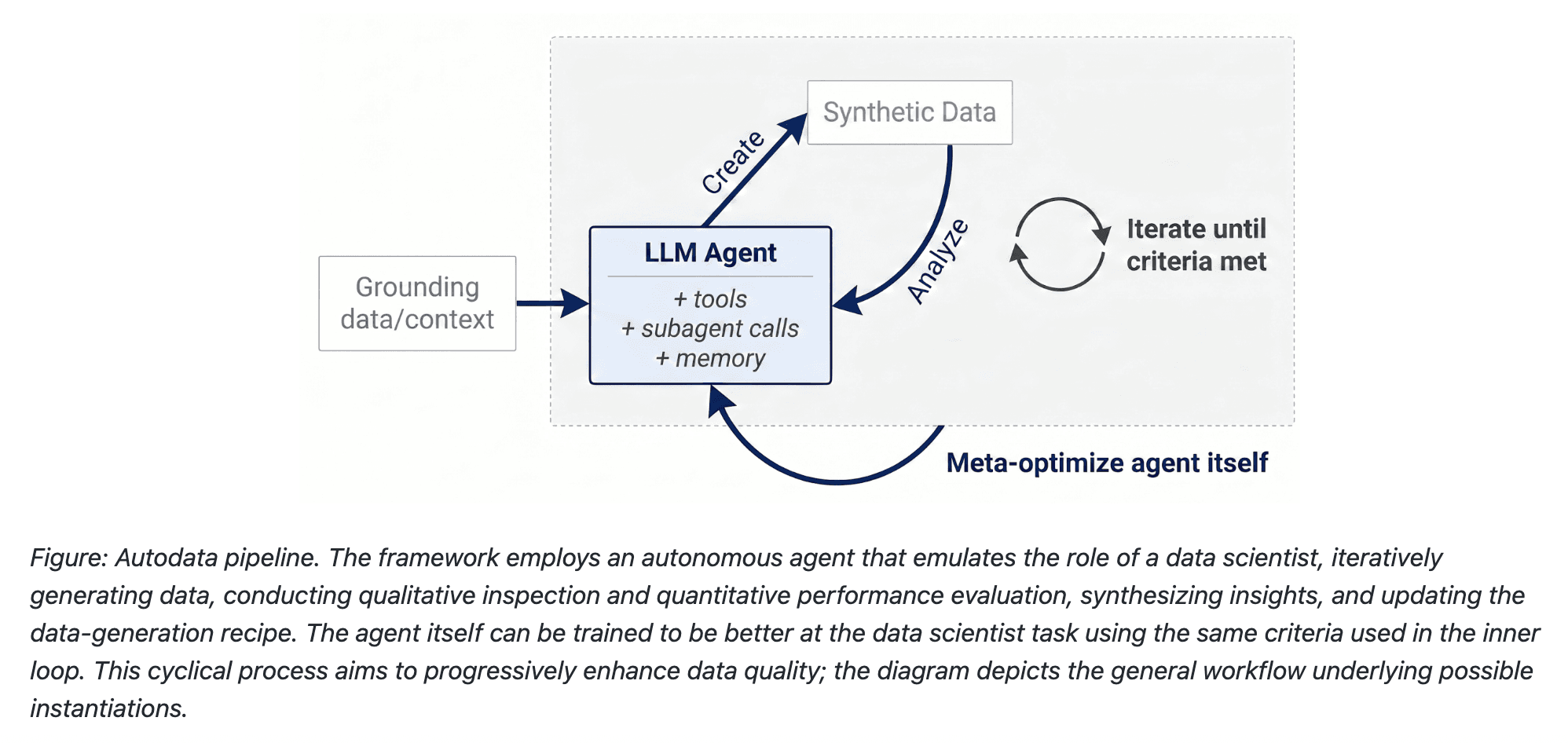
Meta Autodata: AI Framework for Autonomous Data Scientists
Meta Autodata: AI Framework for Autonomous Data Scientists

Gemini API Webhooks: Real-Time AI Automation
Gemini API Webhooks: Real-Time AI Automation

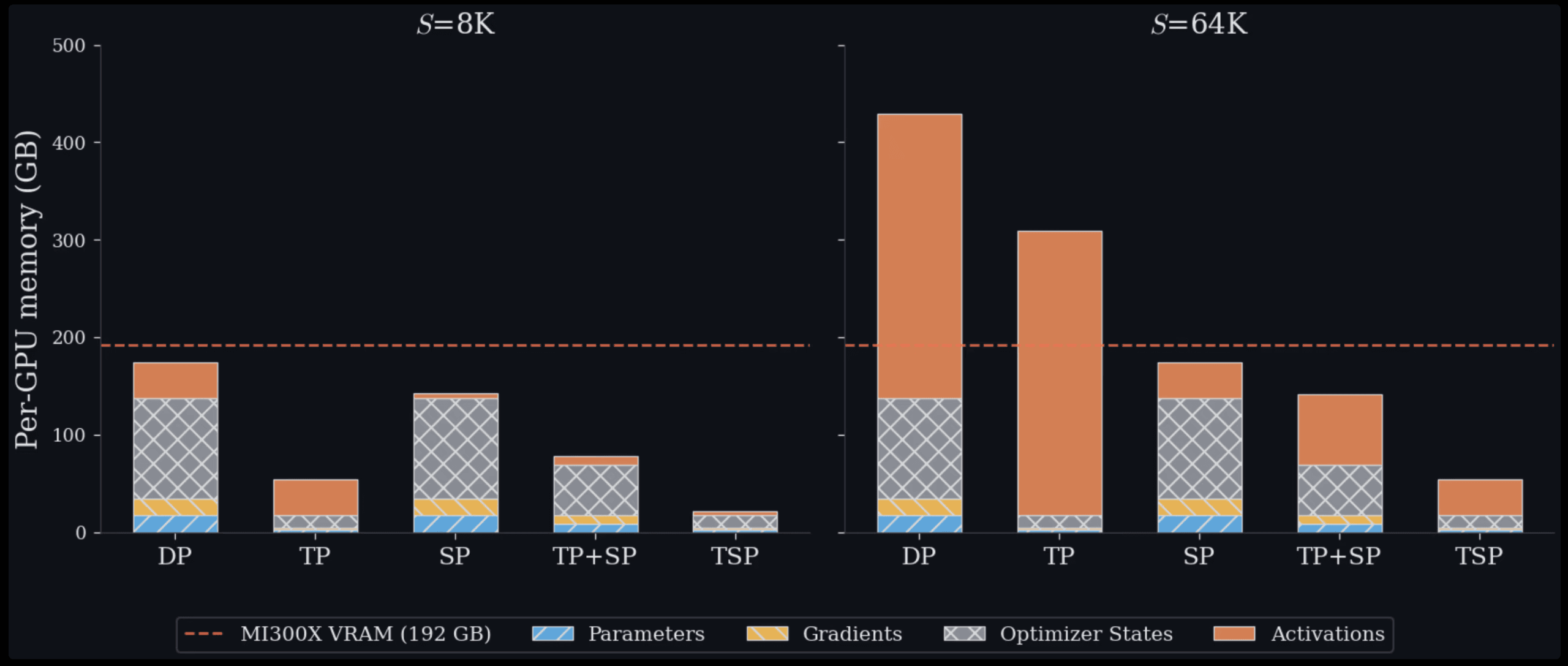
Zyphra TSP: 2.6x Faster AI Training Review

Zyphra TSP: 2.6x Faster AI Training Review

SoundHound OASYS: Self-Learning AI Agent Platform

SoundHound OASYS: Self-Learning AI Agent Platform

Google Home Gemini 3.1: Smarter AI Assistant
Google Home Gemini 3.1: Smarter AI Assistant

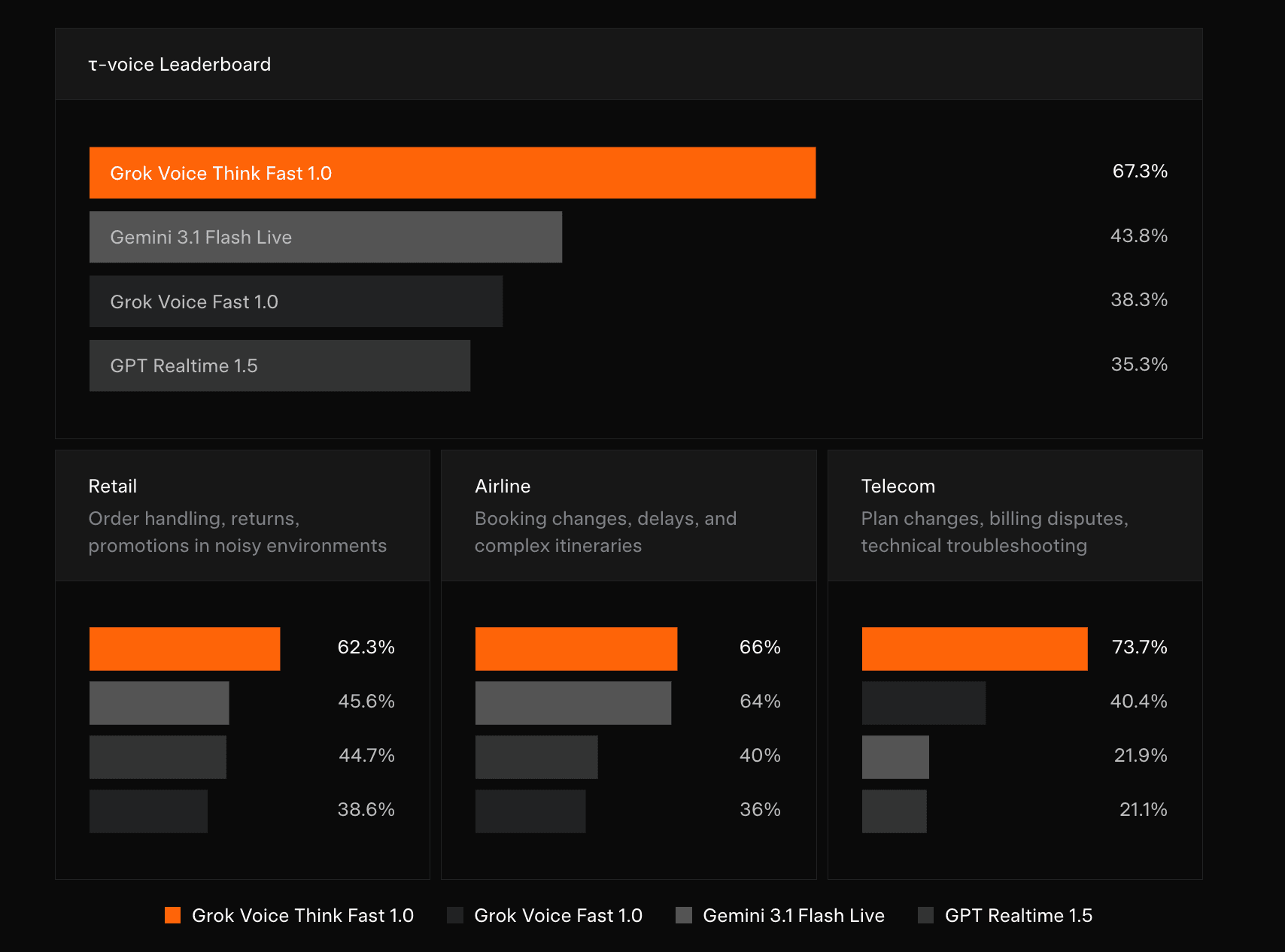
Grok Voice Think Fast 1.0 Review: AI Voice
Grok Voice Think Fast 1.0 Review: AI Voice

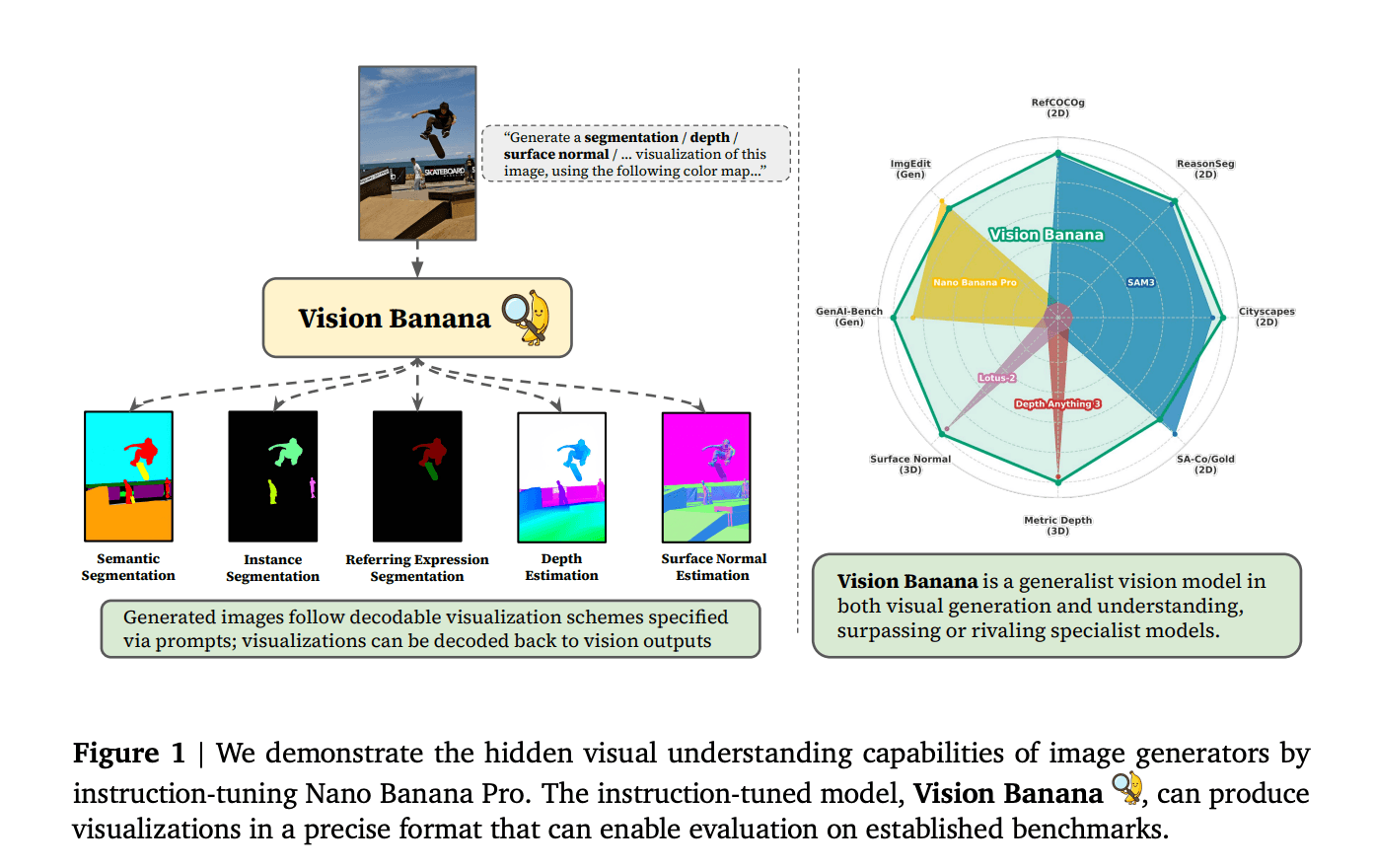
Vision Banana Review: Google's Instruction-Tuned Image Generator
Vision Banana Review: Google's Instruction-Tuned Image Generator

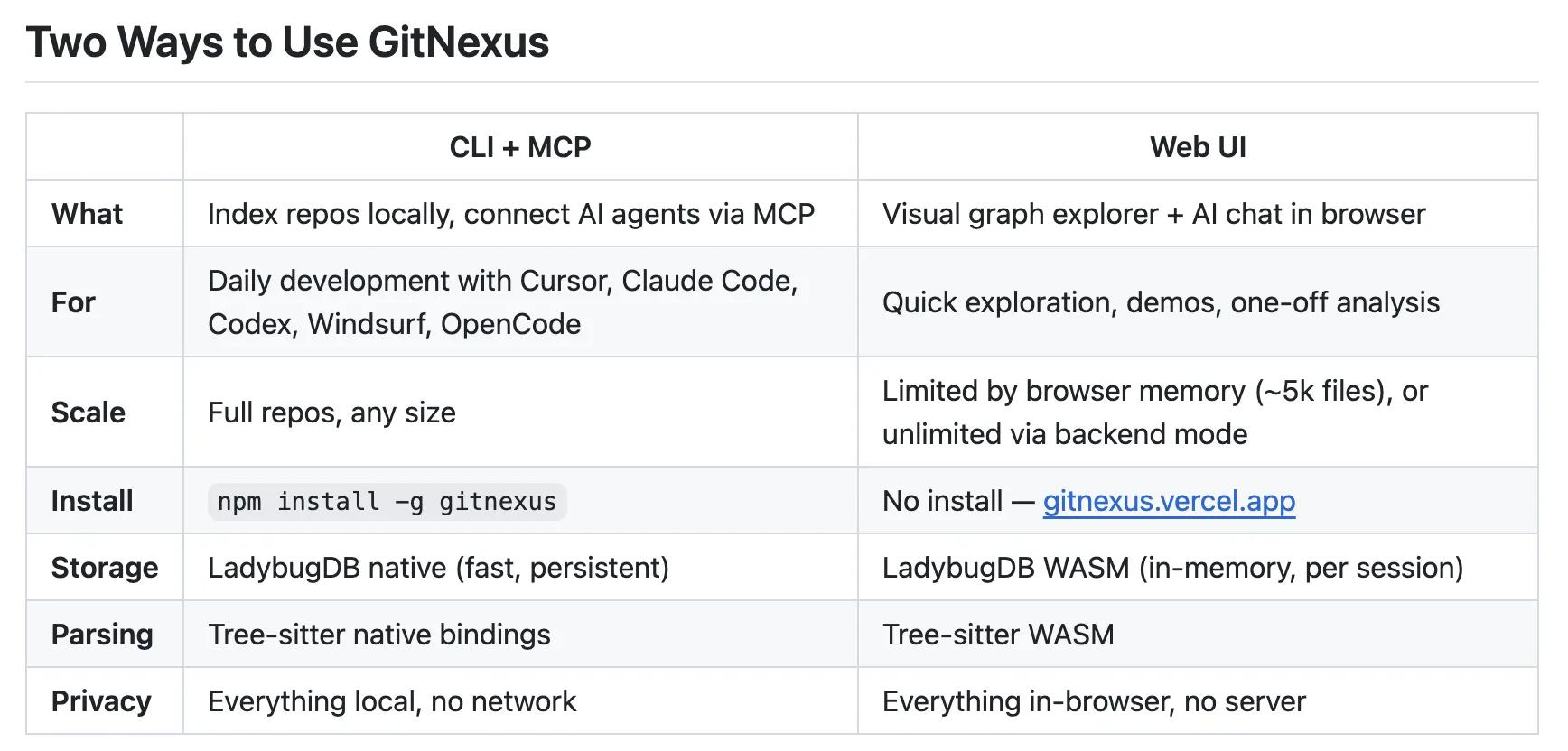
GitNexus Review: Open-Source Code Knowledge Graph
GitNexus Review: Open-Source Code Knowledge Graph

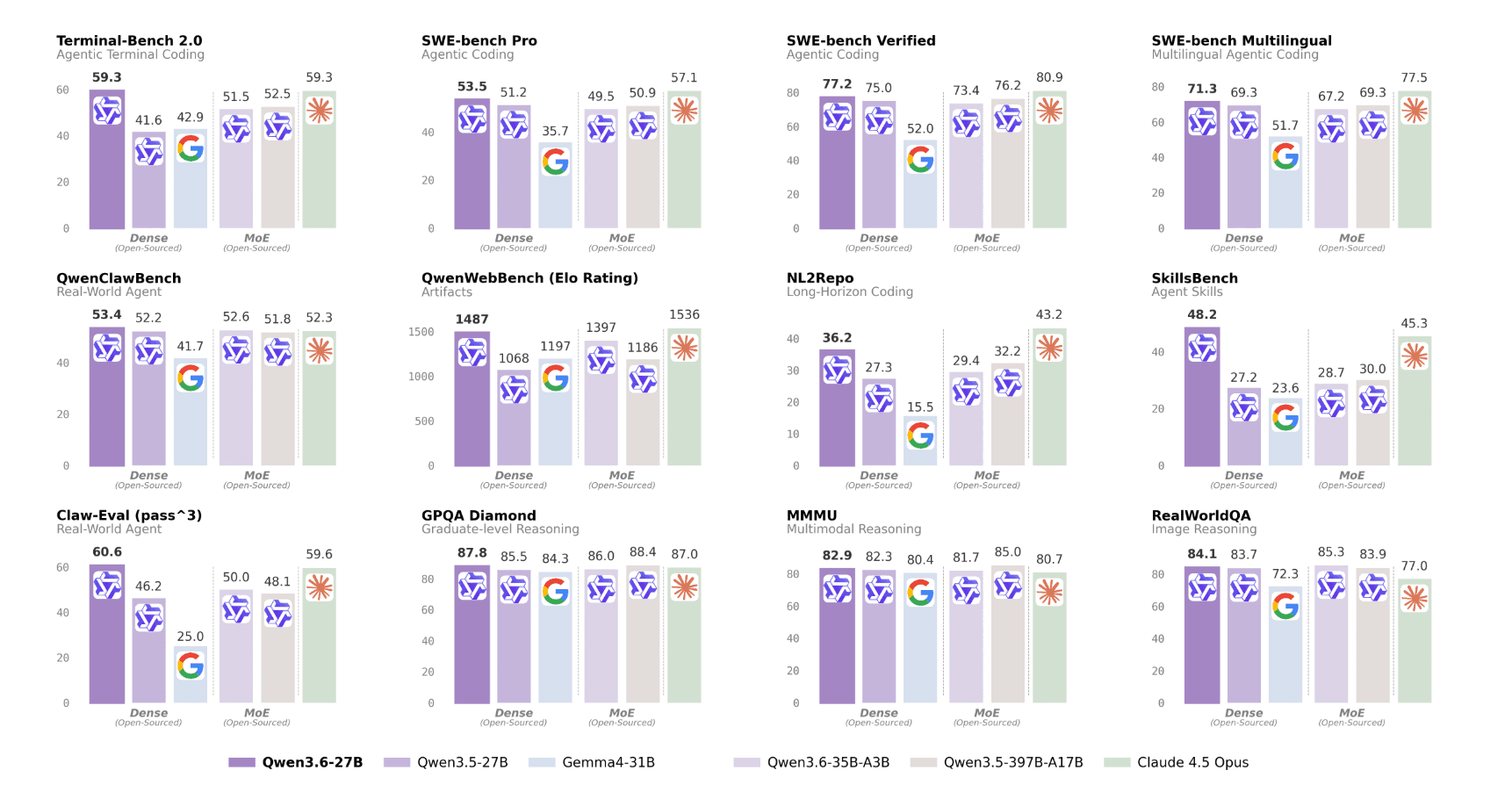
Qwen3.6-27B Review: Dense Model Outperforms 397B MoE

Qwen3.6-27B Review: Dense Model Outperforms 397B MoE

ChatGPT Workspace Agents: Custom AI Bots for Teams

ChatGPT Workspace Agents: Custom AI Bots for Teams

You Might Like These Latest News

All AI News

Stay informed with the latest AI news, breakthroughs, trends, and updates shaping the future of artificial intelligence.

AI Data Centers Face Growing Crisis

May 10, 2026

AI Data Centers Face Growing Crisis

SpaceX Plans $55B AI Chip Plant in Texas

May 8, 2026

SpaceX Plans $55B AI Chip Plant in Texas

Voi Founders Launch AI Startup Pit With $16M Seed

May 8, 2026

Voi Founders Launch AI Startup Pit With $16M Seed

US Energy Secretary and NVIDIA Discuss AI-Powered Energy Future

May 8, 2026

US Energy Secretary and NVIDIA Discuss AI-Powered Energy Future

Anthropic Finance Agents Disrupt Wall Street Jobs

May 7, 2026

Anthropic Finance Agents Disrupt Wall Street Jobs

Snap Ends $400M Perplexity AI Search Deal

May 7, 2026

Snap Ends $400M Perplexity AI Search Deal

Microsoft Copilot Hits 20M Paid Users

May 6, 2026

Microsoft Copilot Hits 20M Paid Users

Runway Eyes World Models Beyond AI Video

May 6, 2026

Runway Eyes World Models Beyond AI Video

Microsoft to Exploit New OpenAI Deal

May 6, 2026
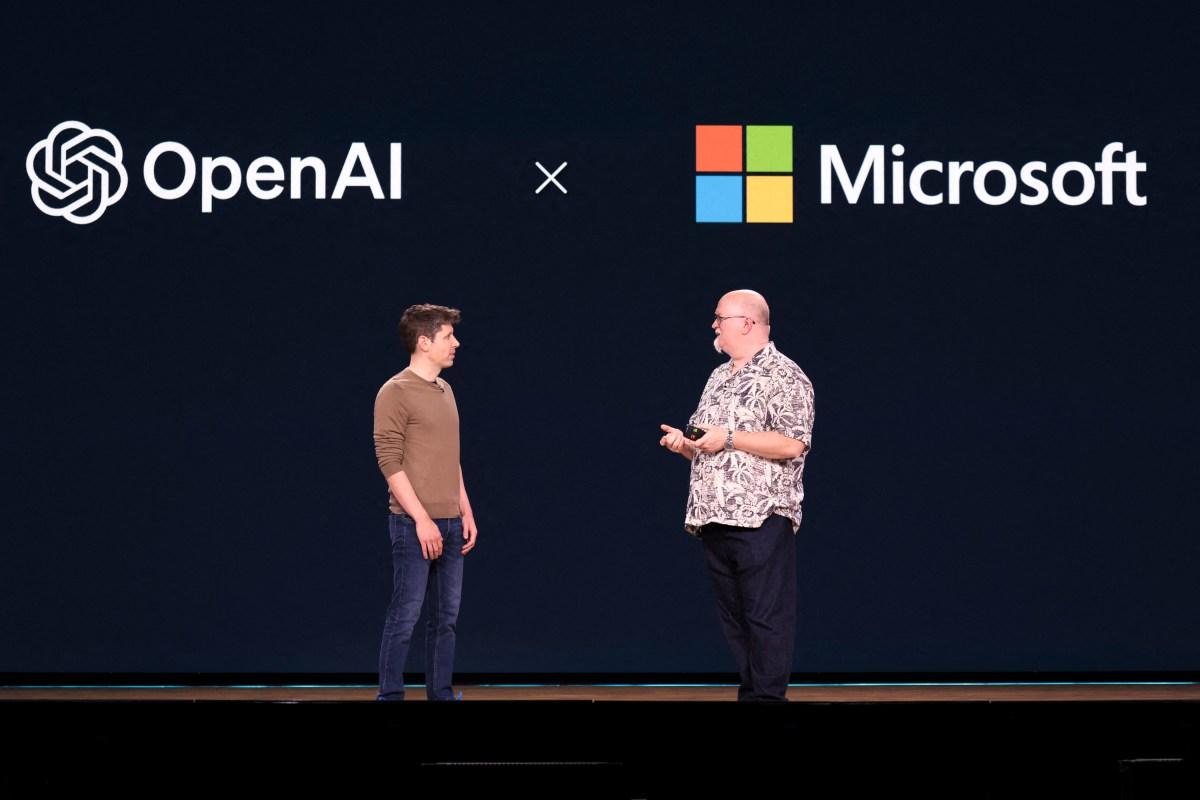
Microsoft to Exploit New OpenAI Deal
Tools of The Day

Tools of The Day

Discover the top AI tools handpicked daily by our editors to help you stay ahead with the latest and most innovative solutions.


10MAR
Adobe Illustrator
Adobe Illustrator
9MAR
Adobe Firefly
Adobe Firefly
8MAR
Adobe Sensei
Adobe Sensei
7MAR
Adobe Photoshop
Adobe Photoshop
6MAR
Adobe Firefly
Adobe Firefly
5MAR
Shap-E
Shap-E
4MAR
Point-E
Point-E

Explore AI Tools of The Day