Join Our Community










Get the earliest access to hand-picked content weekly for free.
Spam-free guaranteed! Only insights.
Join Our Community
Get the earliest access to hand-picked content weekly for free.
Spam-free guaranteed! Only insights.
🎯 Quick Impact Summary
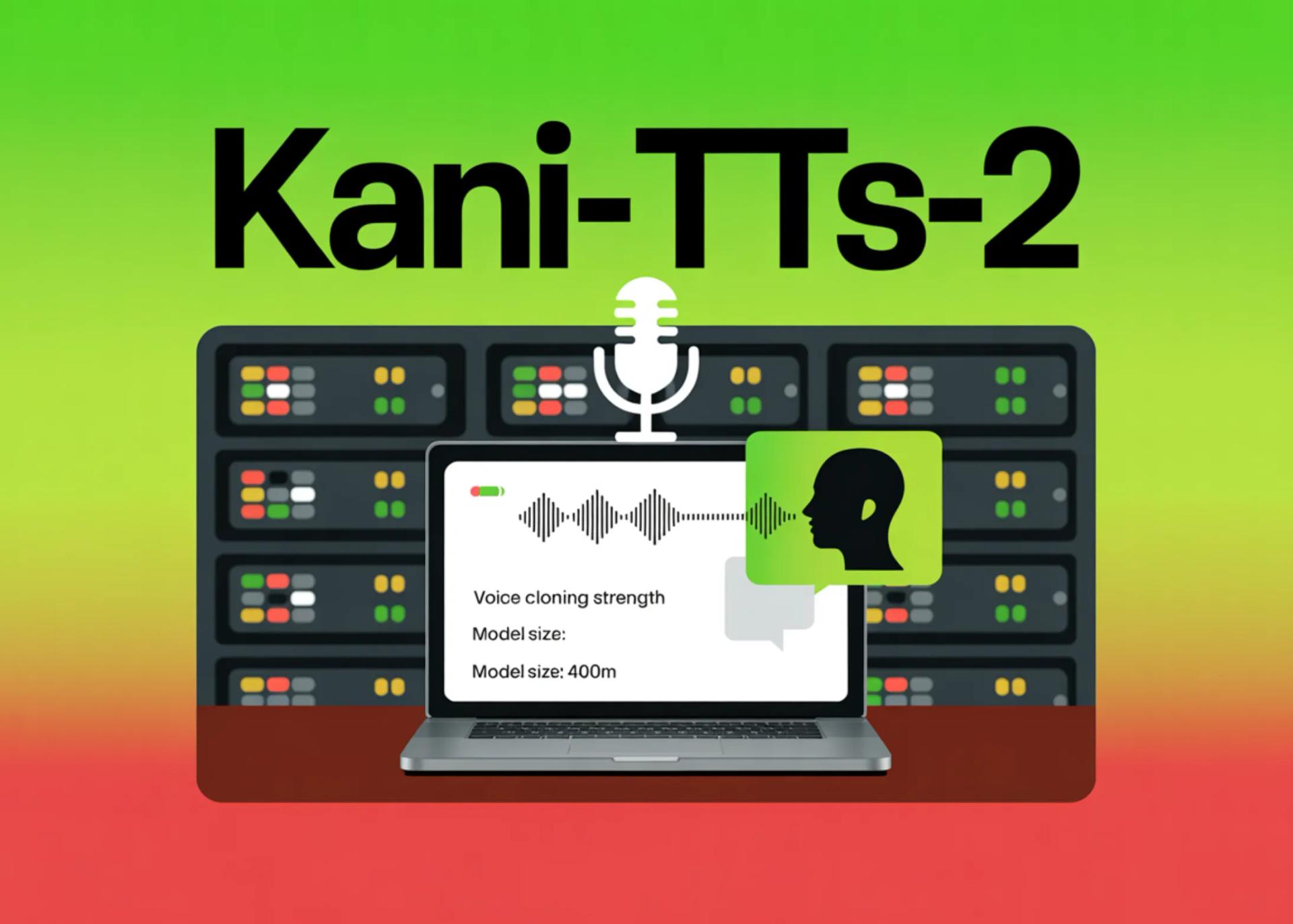
Kani-TTS-2 is a breakthrough in accessible AI audio technology, offering a compact yet powerful text-to-speech solution that democratizes high-quality voice synthesis. Designed specifically for creators, developers, and hobbyists working with limited hardware, this 400 million parameter model runs efficiently on just 3GB of VRAM while delivering impressive voice cloning capabilities. By balancing performance with accessibility, Kani-TTS-2 solves the common barrier of expensive computing requirements that often excludes smaller teams from advanced TTS applications.
Kani-TTS-2 stands out with its remarkably small footprint without sacrificing quality. The model supports voice cloning from short audio samples, allowing users to create custom synthetic voices with minimal reference audio. It delivers natural-sounding speech across multiple languages and maintains consistent prosody and emotional tone throughout longer passages.
The open-source nature of Kani-TTS-2 means complete freedom for modification and integration. Unlike many commercial alternatives, there are no API rate limits or usage restrictions. The model supports both streaming and batch processing, making it suitable for real-time applications like voice assistants as well as offline content creation.
For voice cloning, Kani-TTS-2 requires only 3-10 seconds of clean audio to generate a reusable voice model. The resulting synthetic voice maintains the speaker's unique characteristics including pitch, timbre, and speaking style. Users can also fine-tune the model on their own datasets for specialized applications.
Built on a transformer-based architecture, Kani-TTS-2 uses a novel approach to text processing and acoustic modeling. The 400 million parameters are strategically distributed across a text encoder, acoustic model, and vocoder, optimized for efficient inference. The model employs a phoneme-based input system that handles multiple languages robustly.
The voice cloning feature works through a speaker encoder that extracts voice characteristics from reference audio, which are then conditioned throughout the generation process. This approach allows the model to separate content from voice identity, enabling the same text to be spoken in different cloned voices.
For deployment, Kani-TTS-2 uses ONNX runtime for cross-platform compatibility and offers pre-quantized model versions to further reduce memory usage. The system includes built-in voice activity detection and audio preprocessing tools that streamline the cloning workflow.
Content creators can leverage Kani-TTS-2 for producing audiobooks, podcasts, and video narration without expensive studio time. The voice cloning feature is particularly valuable for branding, allowing companies to create consistent brand voices for marketing materials and product announcements.
Developers building accessibility tools can integrate Kani-TTS-2 into screen readers and assistive technologies. The low resource requirements make it feasible to run these applications on consumer hardware or edge devices.
Educational platforms can generate personalized learning materials with instructor voices, while indie game developers can create diverse character dialogue without hiring large voice acting teams. The model's efficiency also makes it suitable for mobile applications and IoT devices where computational resources are constrained.
As an open-source project, Kani-TTS-2 is completely free to use, modify, and distribute under the MIT license. There are no licensing fees, subscription costs, or usage restrictions. Users can download the model weights and source code directly from the official GitHub repository.
For those who prefer managed services, third-party platforms like Hugging Face Spaces offer cloud-hosted instances, though these come with their own hosting fees. The project accepts contributions and donations through GitHub Sponsors to support ongoing development.
Compared to commercial alternatives like ElevenLabs or Murf.ai, which charge per character or minute of generated audio, Kani-TTS-2 offers unlimited generation at zero cost. The trade-off is that users handle their own deployment and maintenance rather than relying on a managed service.
Pros:
Cons:
Kani-TTS-2 is ideal for indie developers, researchers, content creators on a budget, and privacy-conscious users who want to run TTS locally. It's particularly valuable for projects requiring custom voices without the high costs of commercial services. However, enterprises requiring guaranteed SLAs or non-technical users who need polished interfaces might prefer commercial alternatives.
FAQ
AI Spotlights
Unleashing Today's trailblazer, this week's game-changers, and this month's legends in AI. Dive in and discover tools that matter.
OpenAI Codex Chrome Extension Review

Perplexity Personal Computer: AI Agents for Mac
OpenAI Voice Intelligence API: New Features Review

ChatGPT Trusted Contact: New Self-Harm Safeguard
CopilotKit Intelligence: Enterprise AI Memory Platform
OpenAI Training Spec: GPU Performance Breakthrough
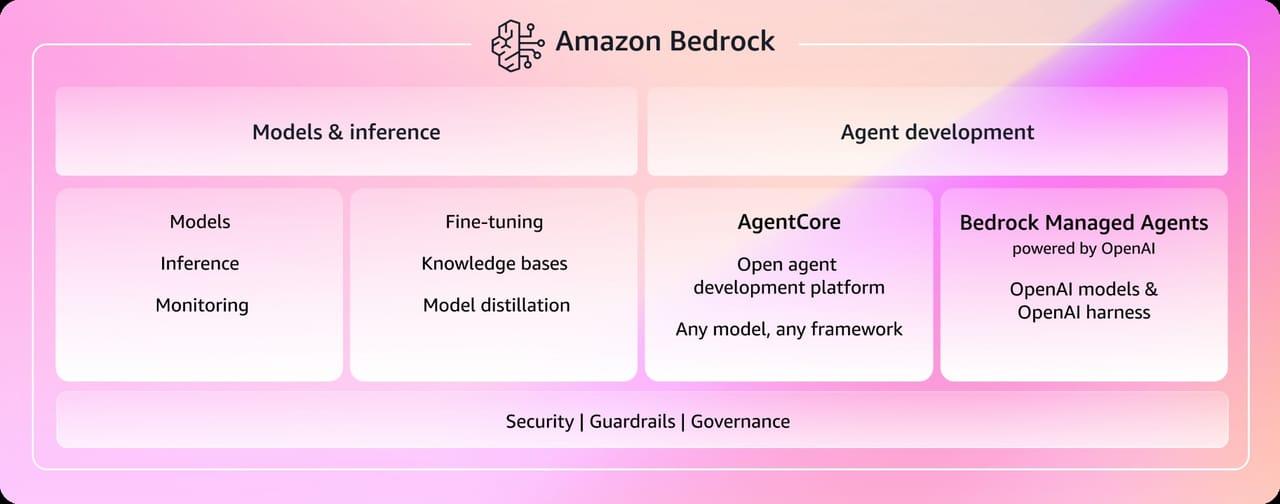
AWS Managed Agents Review: OpenAI Partnership

Glean AI Search Review: Enterprise Search Redefined
ChatGPT Security Update: Advanced Protection Features
Mistral's Cloud Code Platform Review
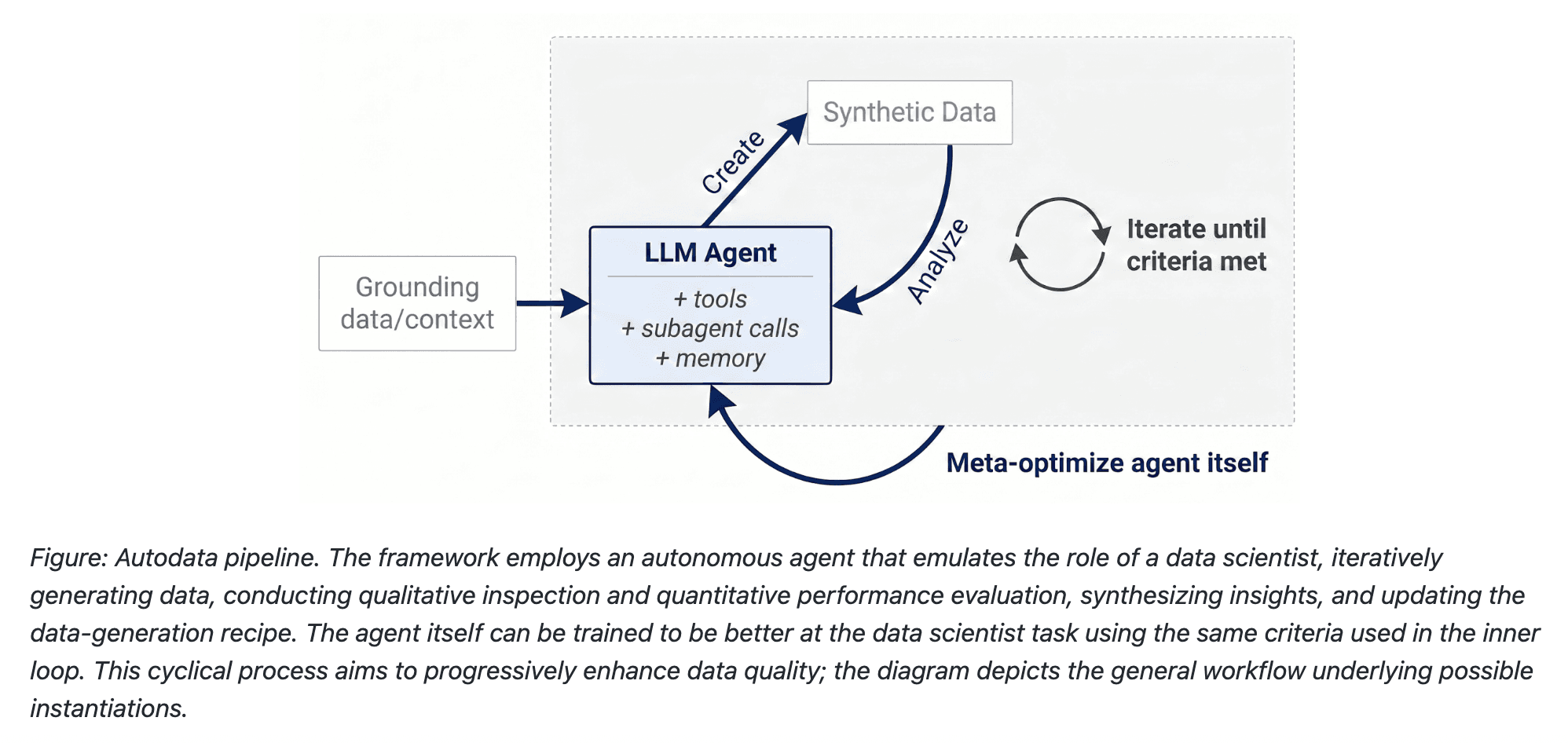
Meta Autodata: AI Framework for Autonomous Data Scientists
Gemini API Webhooks: Real-Time AI Automation
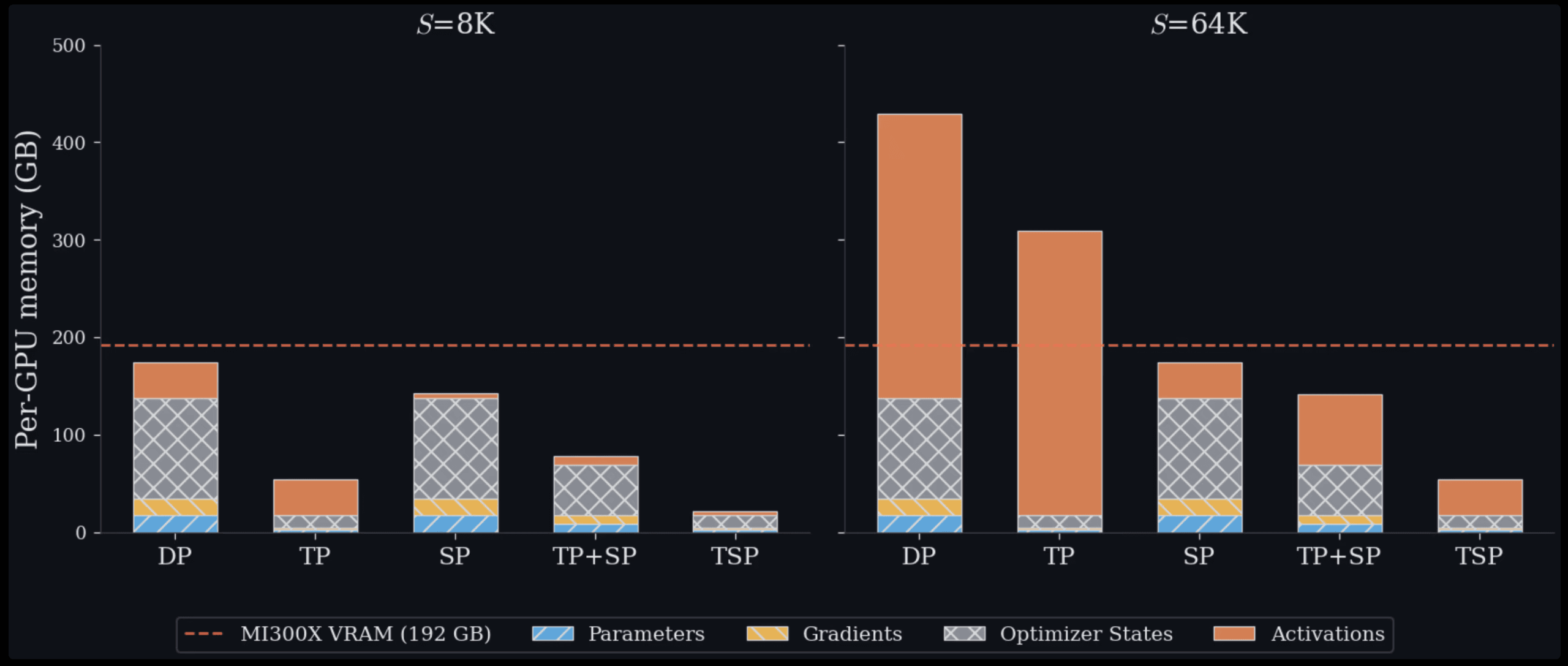
Zyphra TSP: 2.6x Faster AI Training Review

SoundHound OASYS: Self-Learning AI Agent Platform
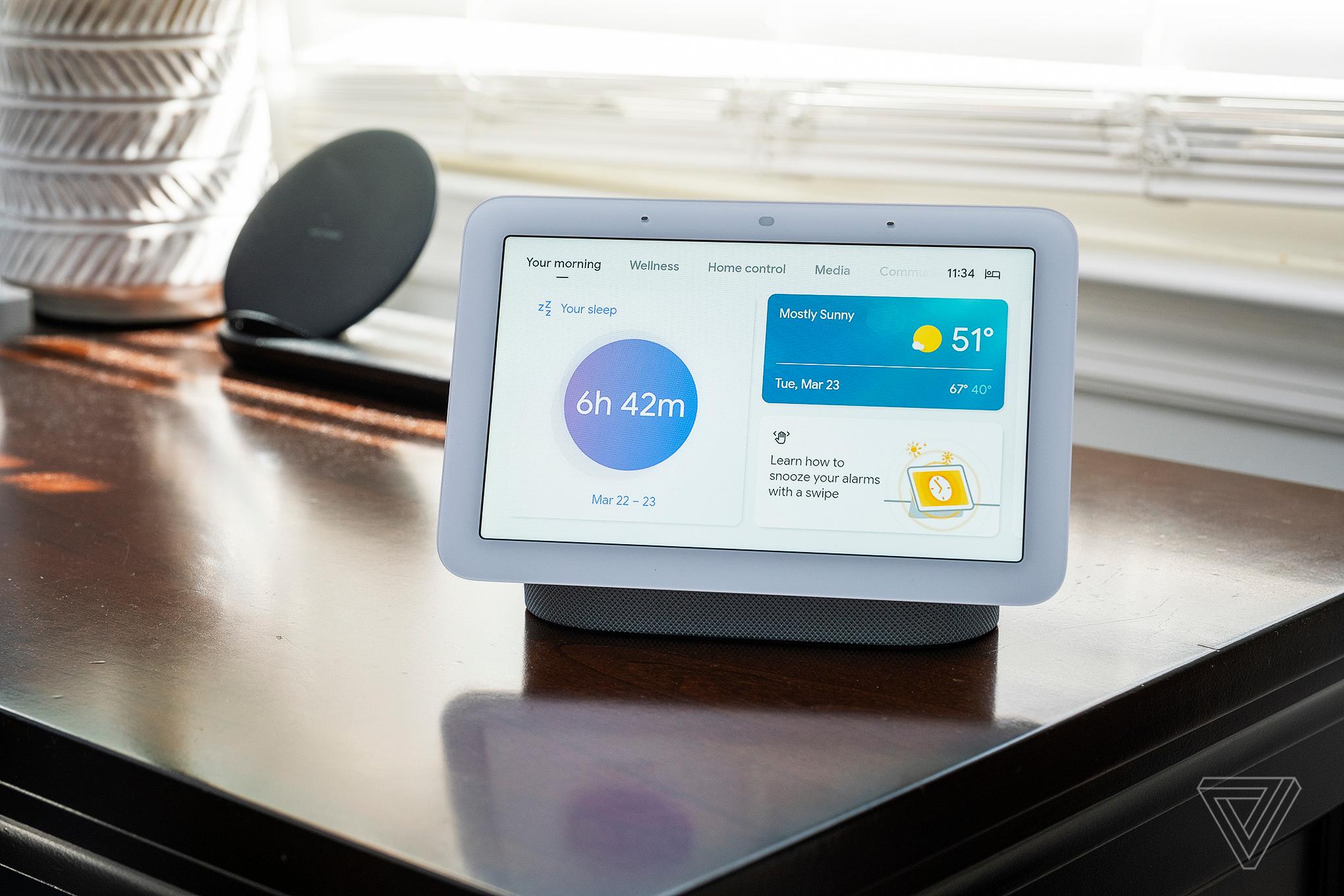
Google Home Gemini 3.1: Smarter AI Assistant
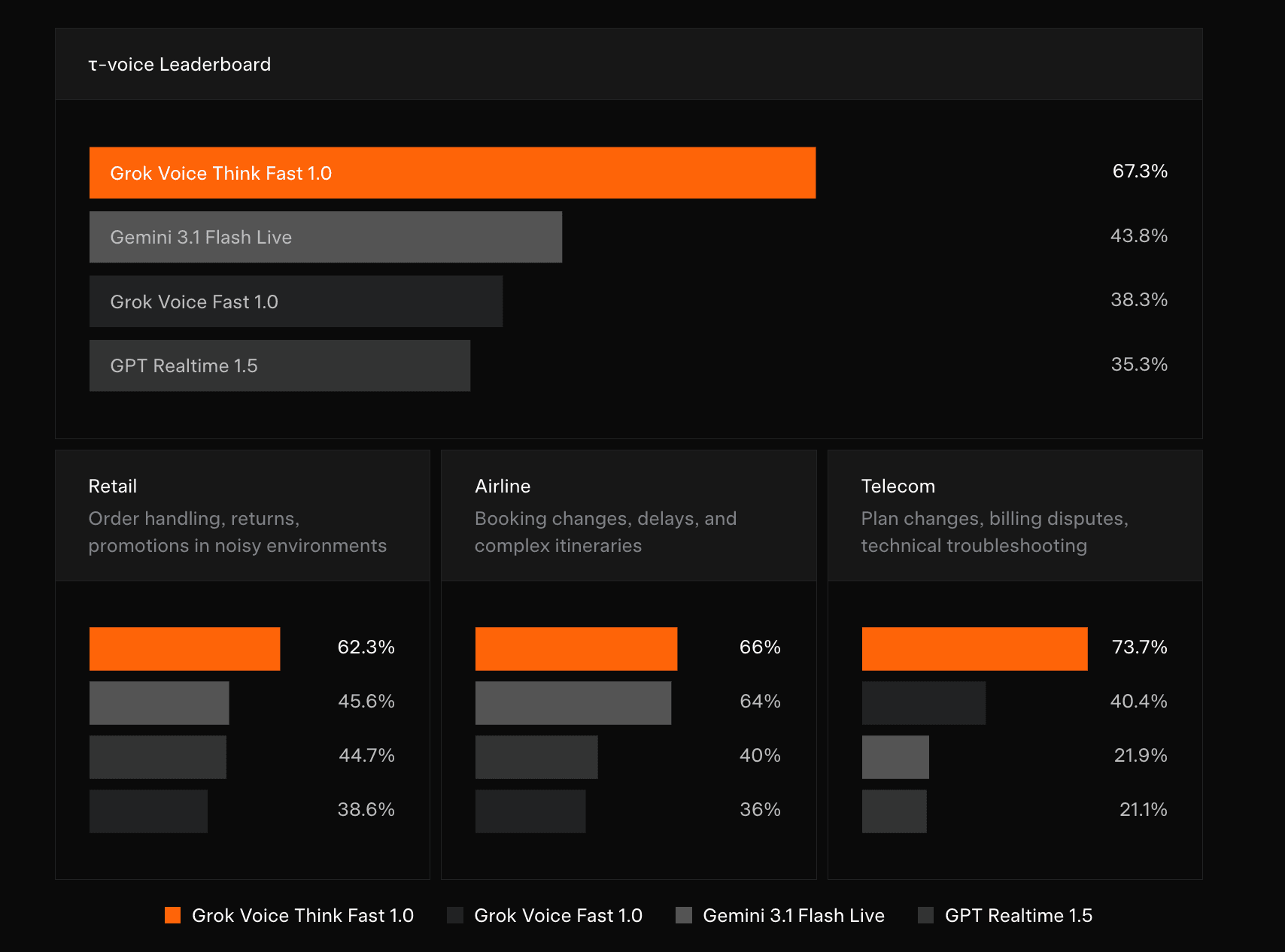
Grok Voice Think Fast 1.0 Review: AI Voice
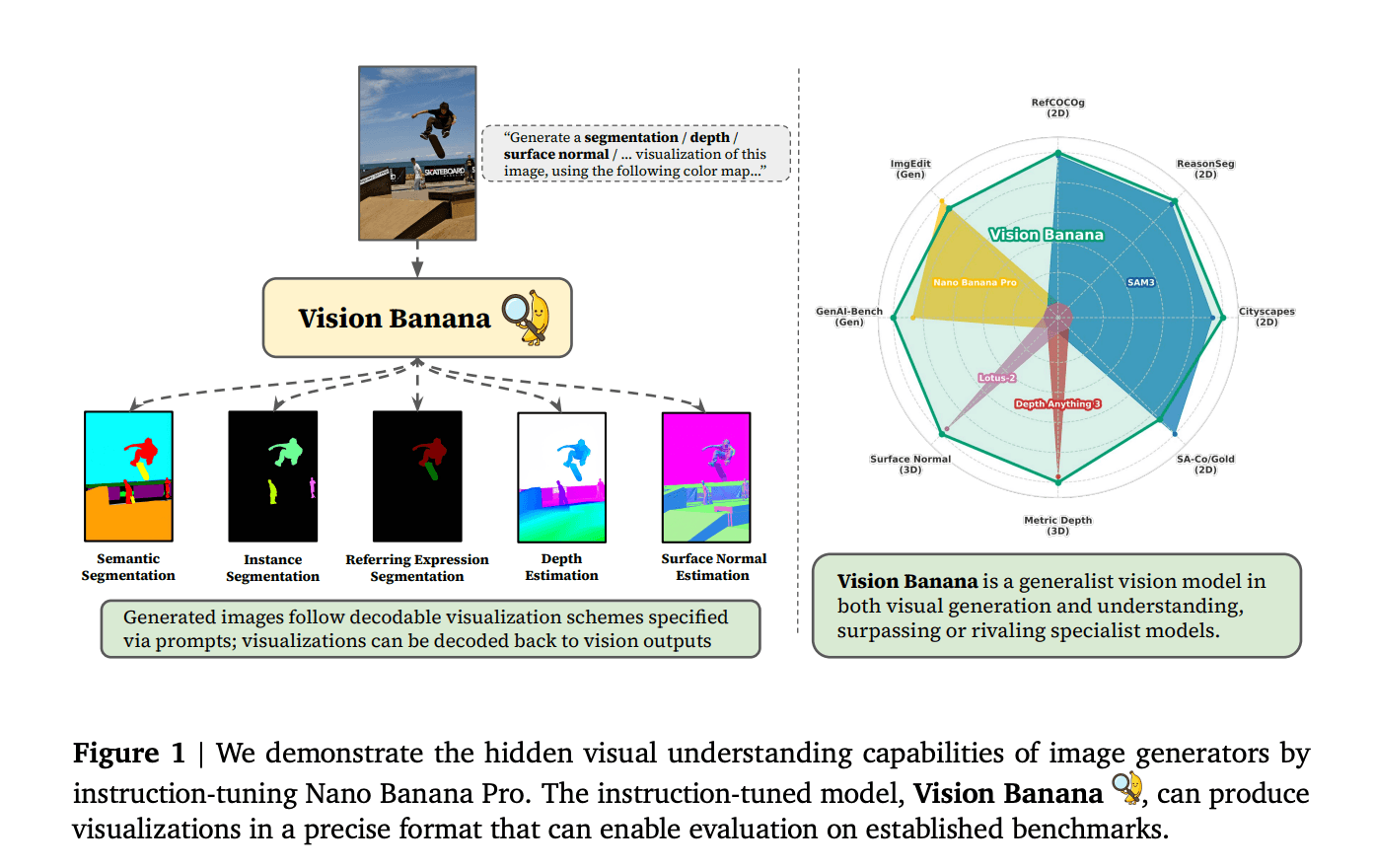
Vision Banana Review: Google's Instruction-Tuned Image Generator
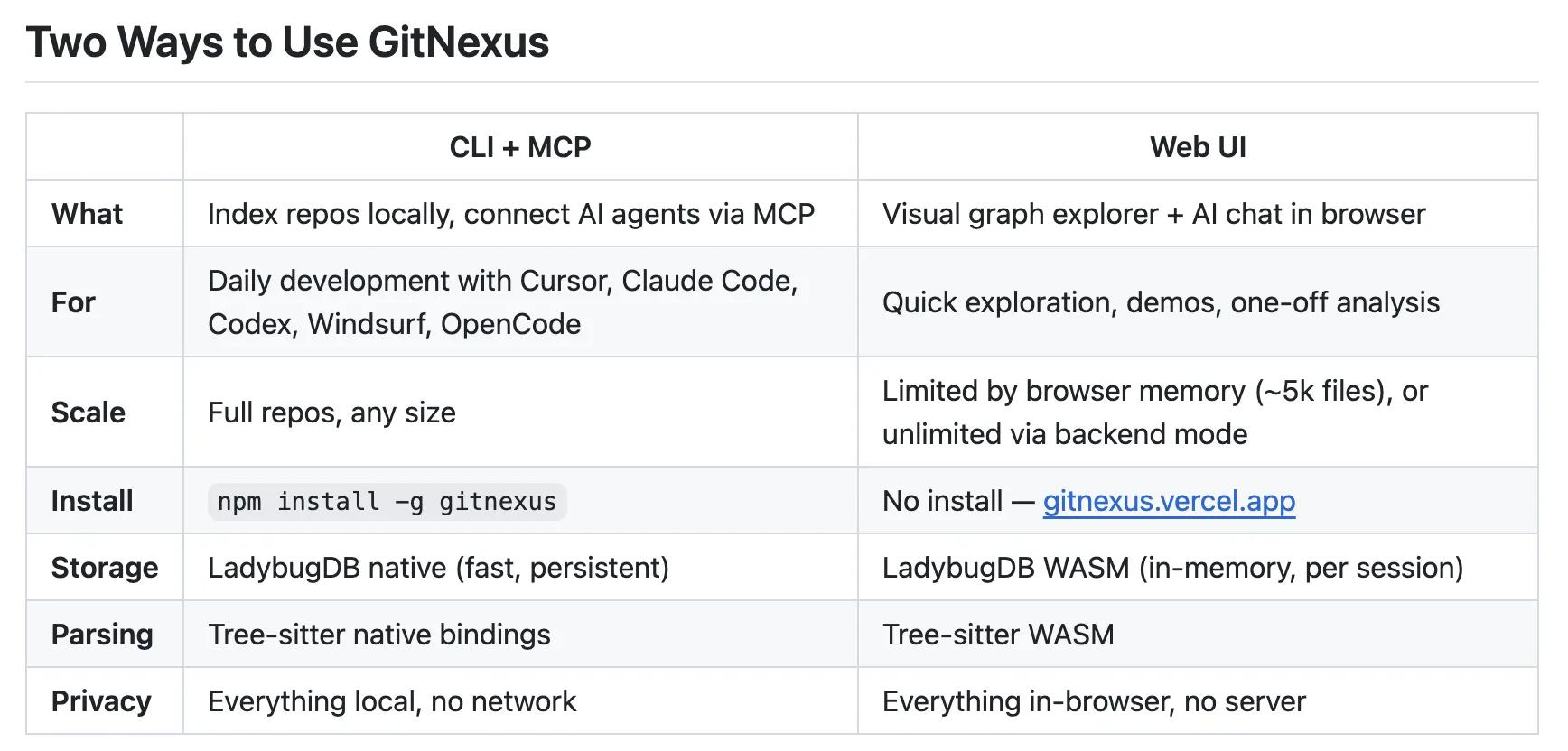
GitNexus Review: Open-Source Code Knowledge Graph
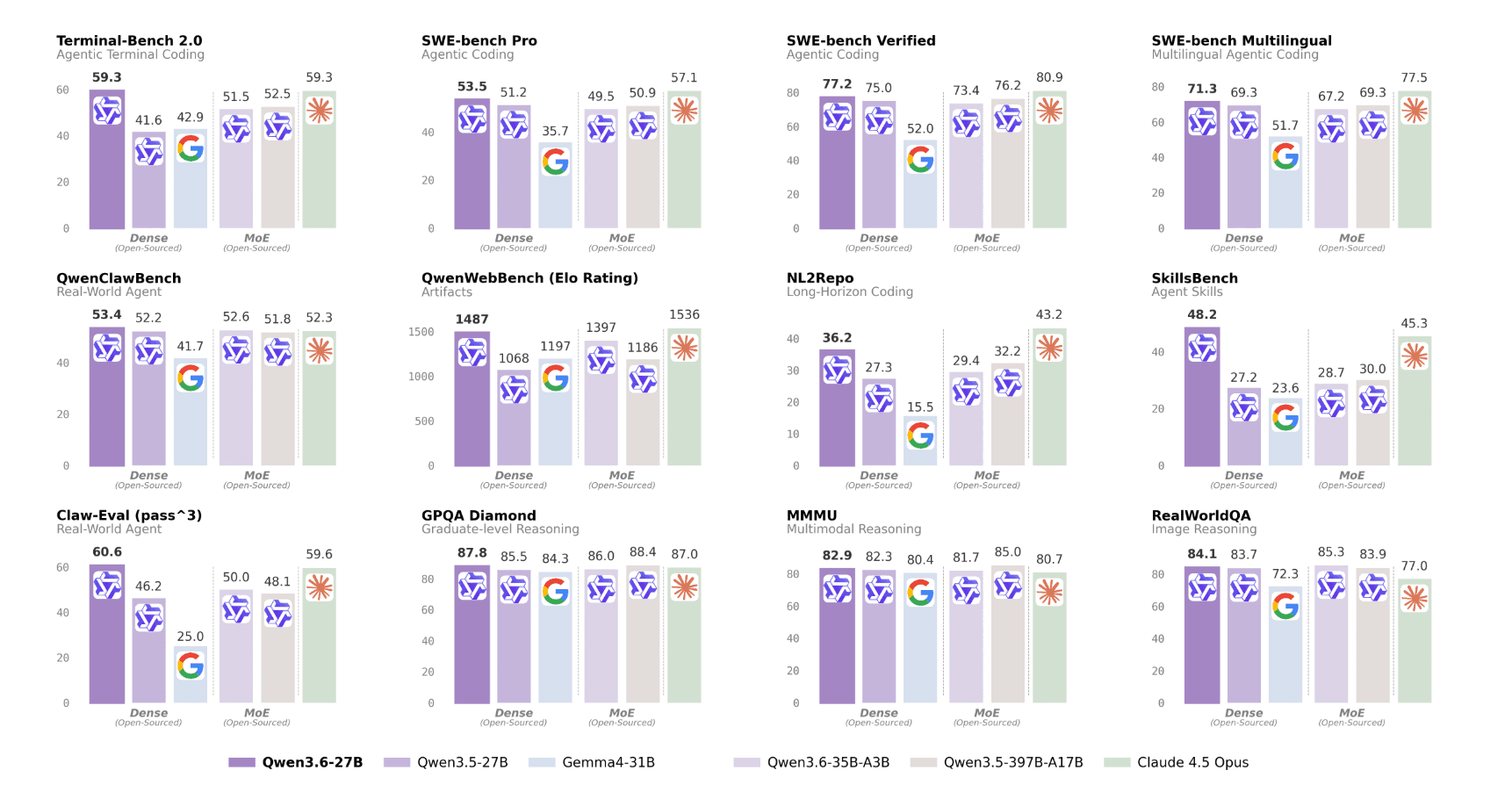
Qwen3.6-27B Review: Dense Model Outperforms 397B MoE

ChatGPT Workspace Agents: Custom AI Bots for Teams
You Might Like These Latest News
All AI NewsStay informed with the latest AI news, breakthroughs, trends, and updates shaping the future of artificial intelligence.
AI Data Centers Face Growing Crisis
May 10, 2026
SpaceX Plans $55B AI Chip Plant in Texas
May 8, 2026
Voi Founders Launch AI Startup Pit With $16M Seed
May 8, 2026
US Energy Secretary and NVIDIA Discuss AI-Powered Energy Future
May 8, 2026
Anthropic Finance Agents Disrupt Wall Street Jobs
May 7, 2026
Snap Ends $400M Perplexity AI Search Deal
May 7, 2026
Microsoft Copilot Hits 20M Paid Users
May 6, 2026
Runway Eyes World Models Beyond AI Video
May 6, 2026
Microsoft to Exploit New OpenAI Deal
May 6, 2026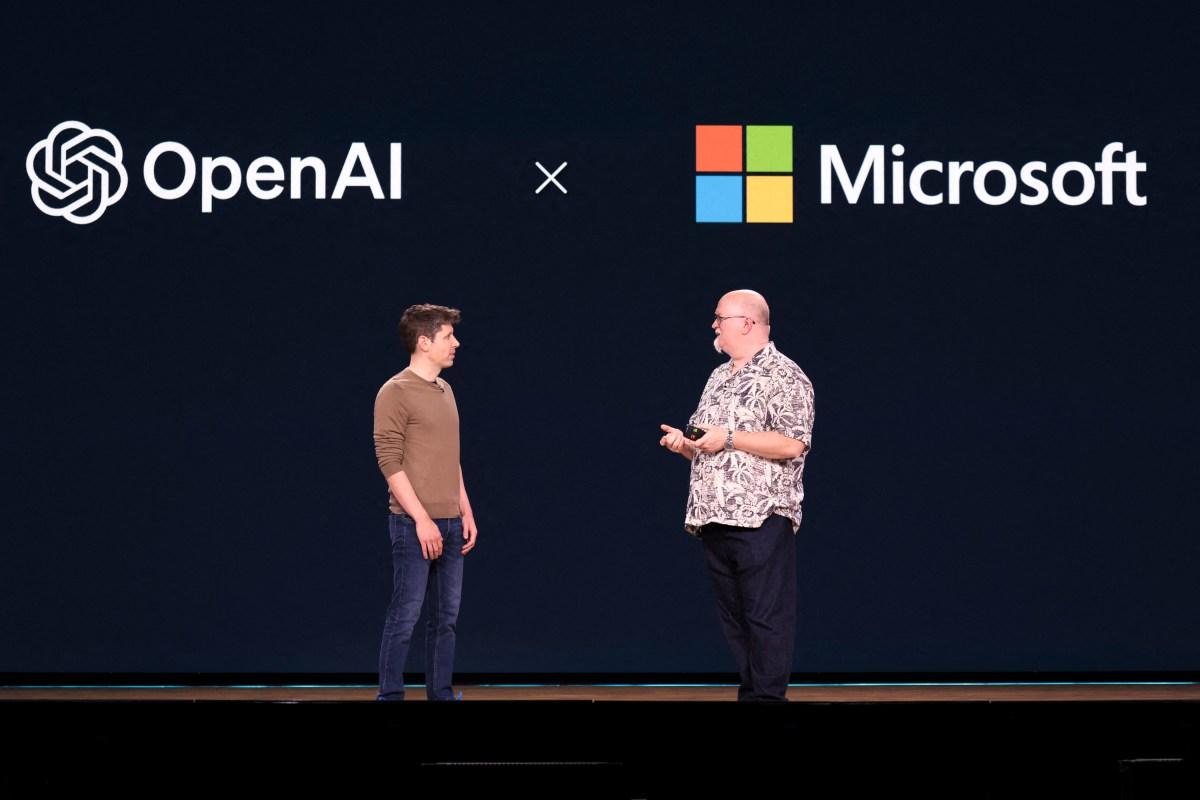

Discover the top AI tools handpicked daily by our editors to help you stay ahead with the latest and most innovative solutions.